
What Is Difference Between 3phase And Single Phase

Ever wondered what powers your home versus what runs a massive factory? It's more than just turning a dial! Let's dive into the electrifying world of single-phase and three-phase power. Prepare for a surprisingly fun jolt of knowledge!
Single-Phase: Your Home's Best Friend
Think of single-phase power as the reliable friend powering your everyday life. It's what keeps the lights on, the fridge cold, and your phone charged. It's the unsung hero of your home's electrical system.
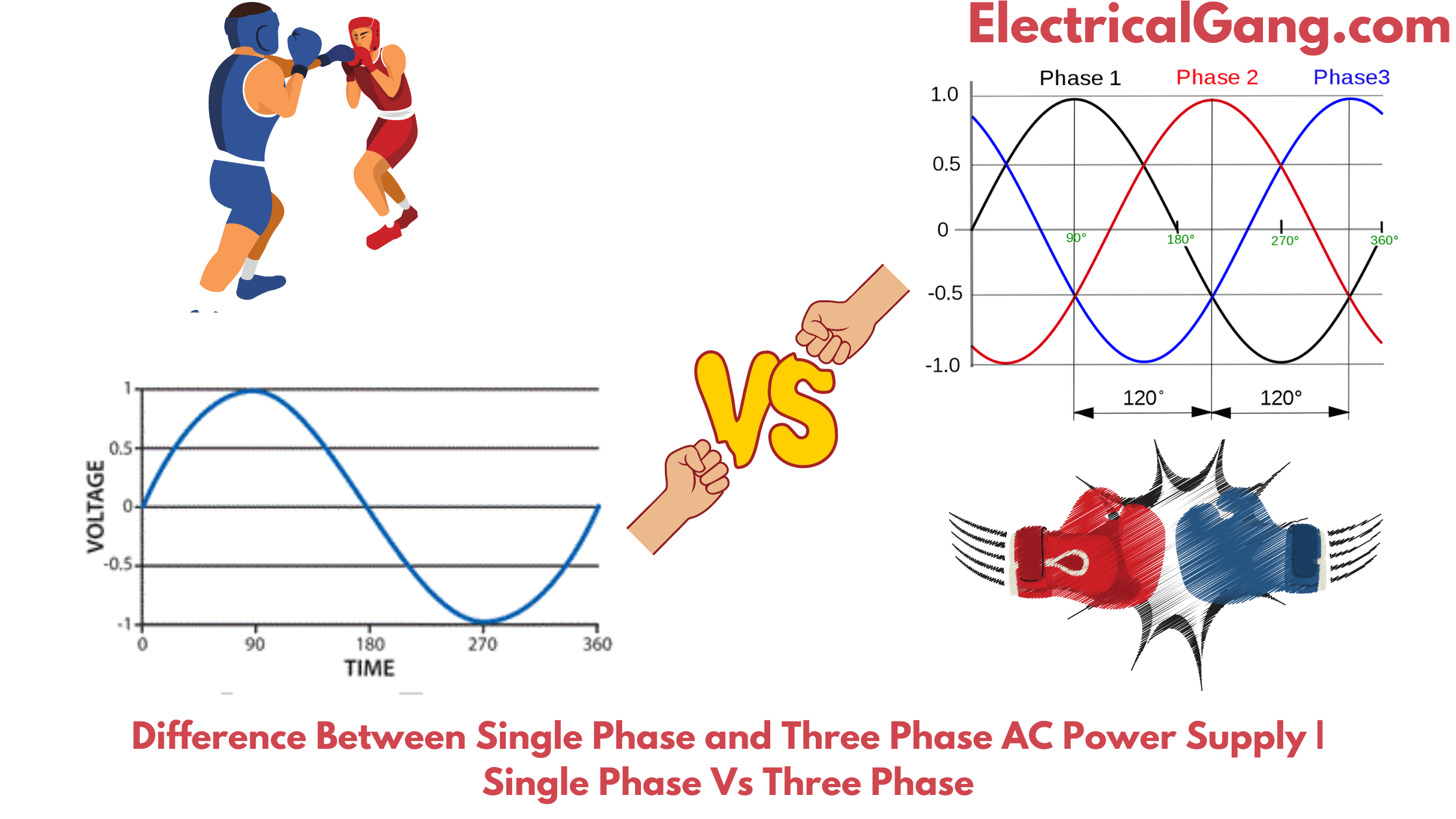
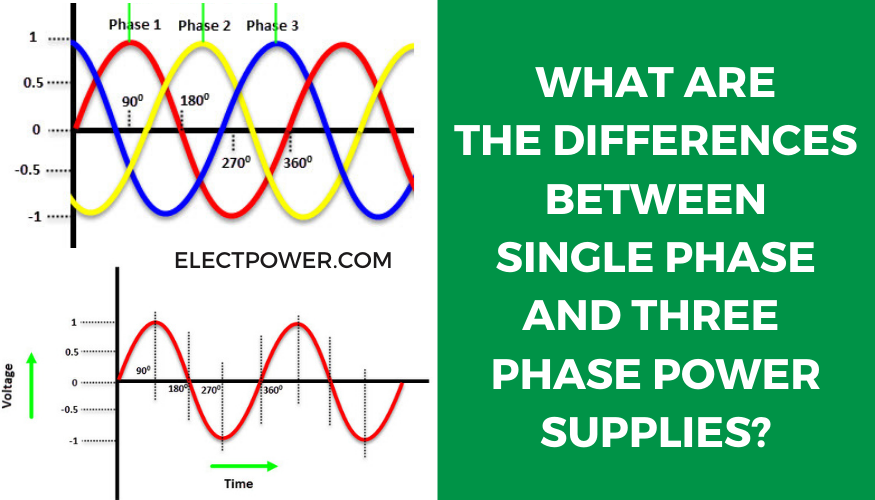
Imagine a single wave of electricity, smoothly flowing back and forth. That's single-phase in action. It's simple, efficient, and perfect for smaller appliances.
Must Read
Why Single-Phase Rocks for Homes
Single-phase is all about convenience. It's easy to install and maintain. Plus, it's cost-effective for residential use.
Think about it: you wouldn't need a super-powered electrical system to toast bread. Single-phase provides just the right amount of oomph!
So next time you flip a light switch, thank single-phase for its dependable service.
Three-Phase: The Industrial Powerhouse
Now, let's crank up the voltage! Three-phase power is the big leagues of electricity. It's the workhorse behind massive industrial operations.
Instead of one wave, imagine three waves of electricity, all working together. This creates a smoother, more powerful flow of energy. That’s what sets it apart from the simple single phase.
Think of enormous factories, humming machinery, and powerful motors. They all rely on the incredible strength of three-phase power.
Why Three-Phase Reigns Supreme in Industry
Three-phase is all about power and efficiency. It delivers a consistent, high-voltage stream of electricity. It is perfect for demanding applications.
Imagine trying to run a massive printing press with a single-phase outlet. It simply wouldn’t cut it! Three-phase provides the muscle needed for heavy-duty tasks.

It is far more efficient because of its consistent power delivery. It can handle larger loads while keeping the electricity supply stable.
The Key Differences: A Fun Comparison
Let's break down the electrifying differences between these two power players.
Think of single-phase as a bicycle: easy to handle and perfect for short trips. Three-phase, on the other hand, is like a freight train: powerful and designed for heavy loads.
Single-phase is commonly used in residential buildings. While three-phase is commonly used in industrial and commercial settings.
Power Delivery
Single-phase delivers power in a pulsating manner. The current rises and falls in a wave-like pattern. On the other hand, three-phase provides a more constant and smooth flow of power. This is because the three phases are offset from each other.
Think of it like this: single-phase is like rowing a boat with one oar, creating a jerky motion. Three-phase is like rowing with three oars simultaneously, resulting in smoother sailing.
This consistent power delivery makes three-phase incredibly efficient for running heavy machinery.
Wiring
Single-phase systems typically use two wires: a hot wire and a neutral wire. Three-phase systems usually use three or four wires. Three hot wires and possibly a neutral wire.
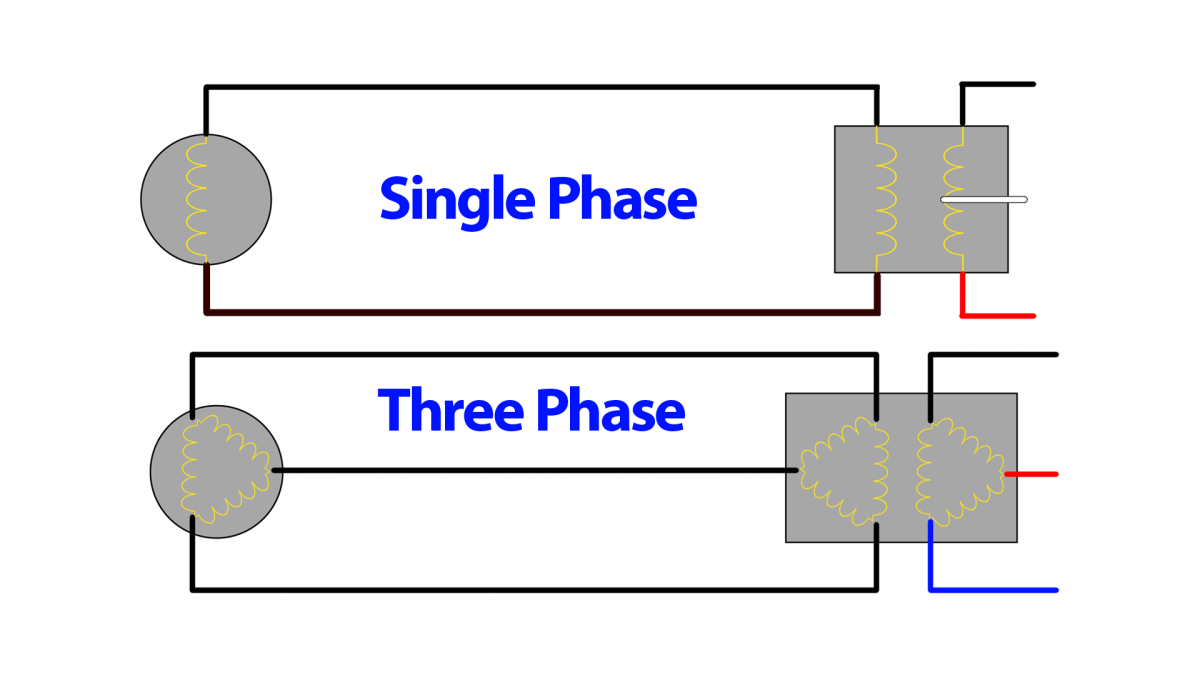
More wires mean more complexity, but also more power-handling capabilities. It is a trade-off between simplicity and raw power.
The extra wires in a three-phase system allow for greater power delivery and efficiency. It is making it ideal for industrial applications.
Applications
Single-phase is perfect for powering homes, small offices, and light appliances. Think lights, TVs, refrigerators, and computers.
Three-phase is the go-to choice for factories, large commercial buildings, and heavy machinery. Think motors, pumps, and industrial equipment.
The applications reflect the power capabilities of each system. It is matching the right tool to the right job.
Why Should You Care?
Okay, so you might not be an electrician. But understanding the difference between single-phase and three-phase power can be surprisingly useful.
Ever wondered why some appliances need a special outlet? Or why your lights flicker during a power surge? Understanding these concepts can help you troubleshoot minor electrical issues.
Plus, it's just plain cool to know how things work! It's like having a secret superpower of electrical knowledge.
Diving Deeper: Is It Really Entertaining?
You might be thinking, "Electricity? Entertaining? Really?" But hear us out!
Understanding how power works is like understanding the language of machines. It opens up a whole new world of technological understanding. It makes the modern world less mysterious.
Think of the engineers who design these systems. They are constantly innovating to make our lives easier and more efficient. It’s a testament to human ingenuity.
The Spark of Innovation
The field of electrical engineering is constantly evolving. New technologies are being developed all the time. This is to make power generation, distribution, and usage more efficient and sustainable.
From smart grids to renewable energy sources, the possibilities are endless. The pursuit of better energy solutions is a never-ending adventure.
Exploring the world of electricity is like embarking on a journey of discovery. You can witness firsthand the amazing things that human innovation can achieve.
The Power of Understanding
Knowing the basics of electricity can empower you to make informed decisions. This includes about your energy consumption and electrical safety.
Understanding how your home's electrical system works can help you prevent accidents. It can also help you save money on your energy bills.
It's like having a superpower that protects you and your loved ones. And who wouldn't want that?
So, Are You Ready to Explore the Electrifying World?
The world of electricity is far more fascinating than you might think. From the simple convenience of single-phase to the raw power of three-phase, there's always something new to learn.
So, grab your metaphorical safety goggles and get ready to explore! Who knows? You might just discover a new passion for the electrifying world of power.
Maybe you'll even be inspired to become the next great electrical engineer! The possibilities are as limitless as the power grid itself.
Think about Thomas Edison and Nikola Tesla, two giants of electrical innovation. They weren’t just scientists; they were visionaries who shaped the modern world. Maybe you will be like them.
Single-phase and three-phase, while technical terms, are fundamental to how we power our lives. It is understanding them provides a glimpse into the intricate workings of our world.
So next time you flip a switch or see a massive factory, take a moment to appreciate the power behind it all. It’s a testament to human ingenuity and the electrifying world we live in.
Remember, even the most complex systems are built on simple foundations. Single-phase and three-phase are two of those essential building blocks. Embrace the knowledge and enjoy the journey!