
What Is Cheapest Gas Or Electric
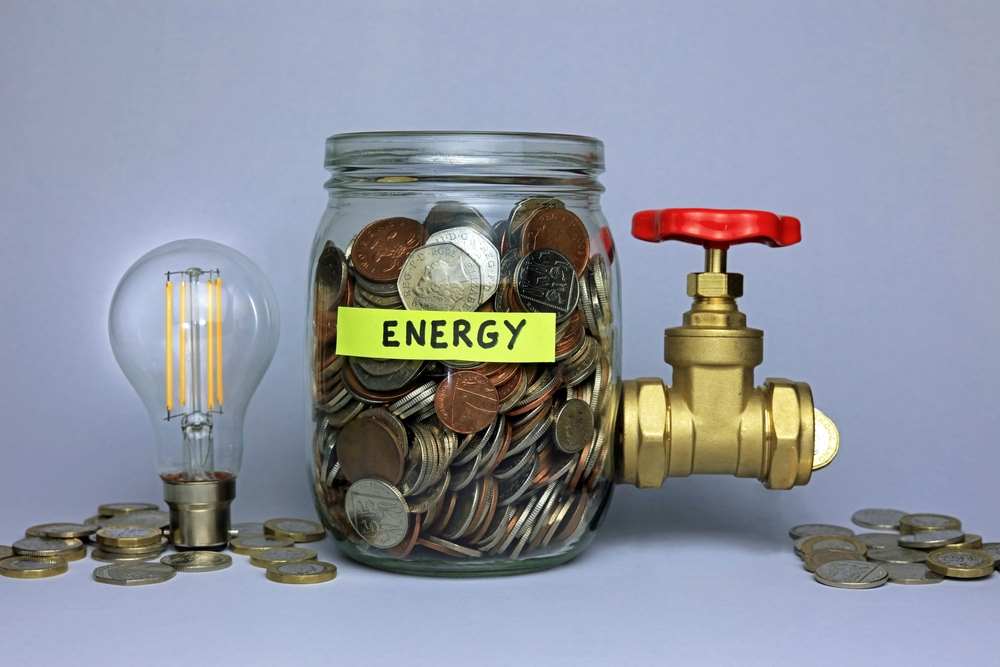
Alright, settle in, grab another chai latte, because we need to talk about something really important. No, not aliens or the latest celebrity scandal. We're talking about something far more existential, a question that plagues the modern motorist: What is cheaper, gas or electric?
It's a question loaded with more nuance than a cat trying to decide between two identical boxes. And just like that cat, the answer is often… it depends on its mood, or in this case, a whole bunch of other factors. But let's break it down with some laughs, shall we?
The Grumbling Gas Guzzler: A Love-Hate Relationship
Let's start with our old friend, the internal combustion engine. Ah, the familiar rumble, the smell of exhaust (which, let's be honest, we secretly kinda like sometimes, in a weird nostalgic way). Filling up a gas tank these days feels less like a transaction and more like a charitable donation to your local oil magnate.
Must Read
Remember those glorious days when gas was, like, a dollar a gallon? Yeah, me neither. Now, every trip to the pump feels like I'm sacrificing a small, non-essential organ. And the prices? They fluctuate wilder than my aunt's mood swings at Thanksgiving dinner! One day it’s up, the next it’s down, then it’s up again because a butterfly flapped its wings in Venezuela. It's a psychological thriller every week!
Beyond the fuel itself, there are the traditional maintenance costs. Gas cars are like that high-maintenance friend who always needs something: oil changes, spark plugs, a new muffler because they "just don't feel right." It's a constant stream of little demands on your wallet, often with surprise visits to the mechanic that feel like unannounced pop quizzes on your bank account.

The Electrifying Experience: Plug and Play?
Now, on to the silent, sleek, and often surprisingly speedy electric vehicle (EV). The promise? No more gas stations! Imagine never having to smell gasoline on your hands again, or waiting in line behind someone buying a lottery ticket and twenty-seven different candy bars.
With an EV, you just plug it in overnight, like your phone, but instead of waking up to cat videos, you wake up to a fully charged car! It’s like magic, but with fewer top hats and more kilowatt-hours. The cost of "fuel" then becomes your electricity bill.
Here's where it gets interesting: electricity prices vary wildly. Think of it like a buffet: some states offer an "all-you-can-charge" buffet for super cheap, while others are serving up tiny, expensive portions like a Michelin-starred restaurant. So, if you live somewhere with cheap electricity (lucky you!), your "refueling" costs could be ridiculously low. We're talking pennies per mile, making gas look like a luxury item from a bygone era.
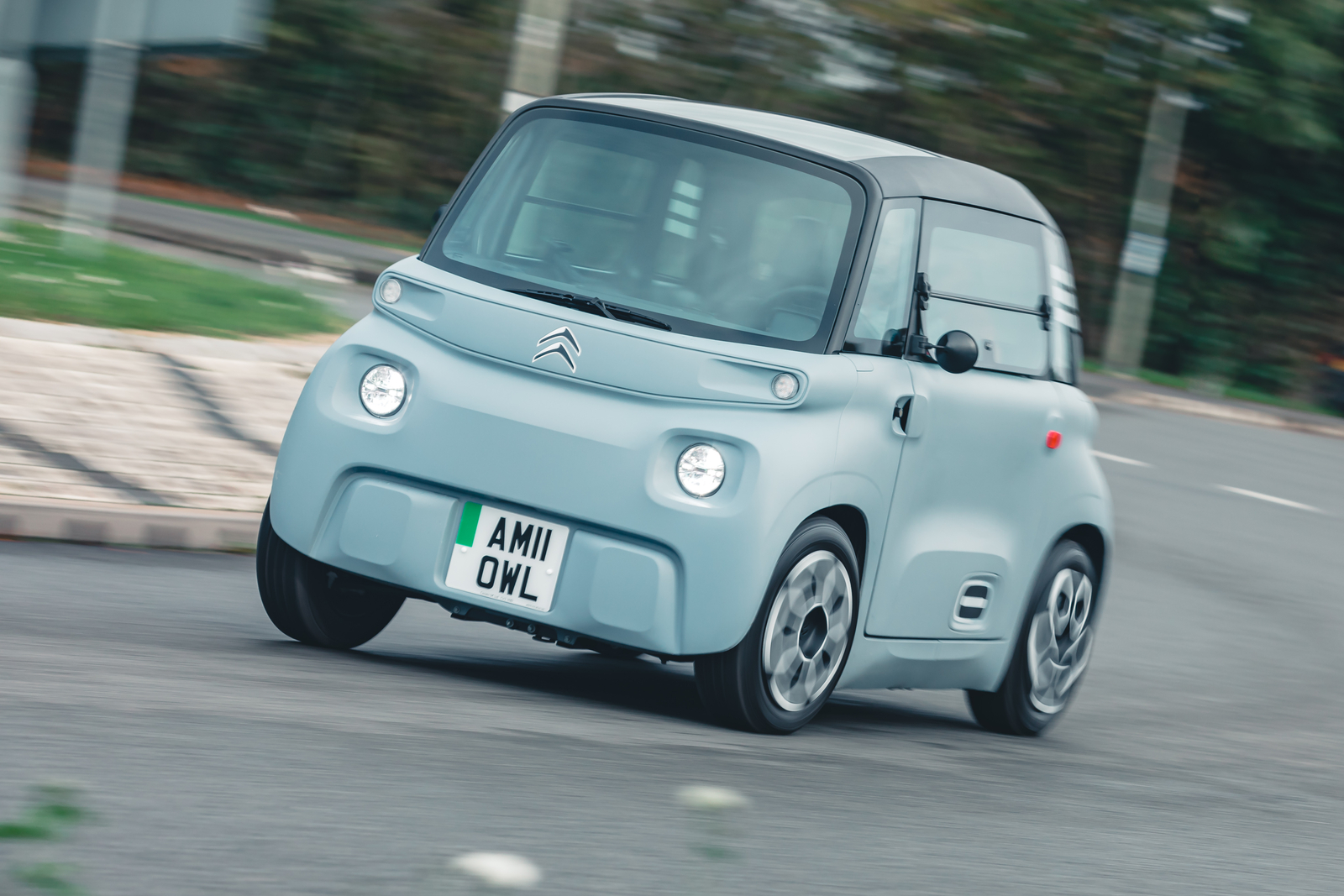
But wait! There’s public charging. Some of it’s free (score!), some of it's fast but pricey, and some requires an app that feels like it was designed by a confused squirrel. If you rely heavily on public fast chargers, especially those located at prime highway spots, your "fuel" costs can start creeping closer to, or even exceeding, what you'd pay for gas. It’s like buying snacks at a movie theater – you know you’re getting ripped off, but you’re already there!
The Grand "It Depends" Spectacle
So, what’s the verdict? Is it cheaper to be a gas-guzzler or an electron-eater?
The unsatisfying, yet honest, answer is: it absolutely depends. It depends on:
.jpg?fm=jpg&auto=format)
- Where you live: Electricity prices can be radically different from one state, or even one city, to another. Do your homework!
- How much you drive: If you commute 100 miles a day, those EV savings will add up fast. If you only drive to the grocery store once a week, the initial EV premium might take longer to recoup.
- Where you charge: Primarily home charging with cheap off-peak rates? Huge win! Relying on expensive public fast chargers? Less of a win.
- The actual cars: A tiny, efficient gas car vs. a huge, inefficient EV will yield different results than the opposite.
- Government incentives: Many places offer tax credits or rebates for buying EVs, which can significantly lower the upfront cost, making the long-term math much sweeter.
Here’s a fun fact: On average, driving an EV in the US costs about half as much per mile as driving a gas car. Yes, half! It's like finding a permanent 50% off coupon for your daily commute. That’s a lot of extra money for artisanal cheese, or whatever your vice may be.
Beyond the Pump: Maintenance and the Future
Let's not forget maintenance. EVs have far fewer moving parts than gas cars. No oil changes, no spark plugs, no exhaust systems to rust out. Less complexity generally means fewer things to break, leading to lower maintenance costs over time. Think of it: fewer moving parts equals fewer trips to the mechanic, which equals more money for… well, more artisanal cheese!
While the upfront cost of an EV can sometimes be higher, the savings on fuel and maintenance often make up for it over the lifespan of the vehicle. Plus, the quiet ride, instant torque (that feeling of being pushed back into your seat when you accelerate), and knowing you're not personally contributing to a small glacier melting are pretty sweet perks.
The Final Word (Sort Of)
If you're looking purely at the cost of "fuel" and maintenance over the long haul, especially with home charging, electric vehicles are generally the clear winner. They're like that smart kid in class who always has the right answer and saves you money in the process.
However, the initial purchase price and your specific driving habits are huge factors. So, the next time someone asks you, "Gas or electric, which is cheaper?" You can confidently lean in, take a sip of your chai, and say, "Well, my friend, that depends on whether you prefer your savings in lump sums or spread out like a fine aged cheddar. But for most of us, the future is looking pretty electric."
Now, if you'll excuse me, I need to go see if my toaster has a charging port. Just in case.