
What Is Another Term For A Passive Heat Sink

Let's talk about that thingamajig inside your computer, the one that keeps it from spontaneously combusting. You know, the passive heat sink.
But what else do we call it? What’s the everyday, non-techie term we can use at the dinner table without everyone's eyes glazing over?
The Humble Hero: The "Heat Spreader"
Think of it this way: it's a heat spreader. Sounds less intimidating, right?
Must Read
It’s like that aunt who always makes sure everyone has enough food at Thanksgiving. She's not actively cooking, but she's making sure the bounty is evenly distributed, preventing any cranberry sauce shortages or gravy droughts.
A heat spreader isn't actively cooling (that's what a fan, or an active heat sink, does). It’s just taking the heat from one concentrated spot and spreading it out over a wider area.
From CPU to Kitchen Counter
Imagine you’ve just taken a casserole dish out of the oven. You wouldn't put it directly on your delicate wooden countertop, would you?
You'd use a trivet, a heat spreader in disguise! That trivet takes the concentrated heat of the dish and disperses it, protecting your counter.
A passive heat sink in your computer does the same job, but for tiny, incredibly sensitive components like your CPU (Central Processing Unit).
Beyond "Heat Spreader": Embracing the Metaphor
So, while heat spreader is a pretty good synonym, let's get creative. Think about what it does.
It’s a buffer, a mediator, a peacekeeper in the fiery world of your computer's innards.
Maybe we should call it the "Chill Pill" or the "Cooling Comforter". Okay, maybe not. But you get the idea.
The Unsung Champion of Cool
Think about a crowded concert. All those bodies packed together generate a ton of heat. Now, imagine strategically placed ice blocks throughout the crowd.
Those aren't actively cooling the entire venue, but they're helping to manage hot spots, keeping things from getting dangerously sweltering. In a way, that ice block is a very large, very inefficient heat spreader.
Our little passive heat sink is much more elegant and efficient, quietly working its magic without any fanfare.
Why "Passive" Matters
The "passive" part is key. It means it doesn't require any external power or moving parts.
No fans, no pumps, just good old-fashioned physics at work. It's like a silent guardian, watching over your CPU.
It relies on the principle of conduction – the transfer of heat through a material. Usually, these materials are good conductors of heat, like aluminum or copper.
A History Lesson in Cooling
Back in the day, computers were less powerful, and generating less heat. A simple metal block, a rudimentary heat spreader, was often enough.
But as technology advanced, and our processors became more like tiny rocket engines, we needed more sophisticated solutions.
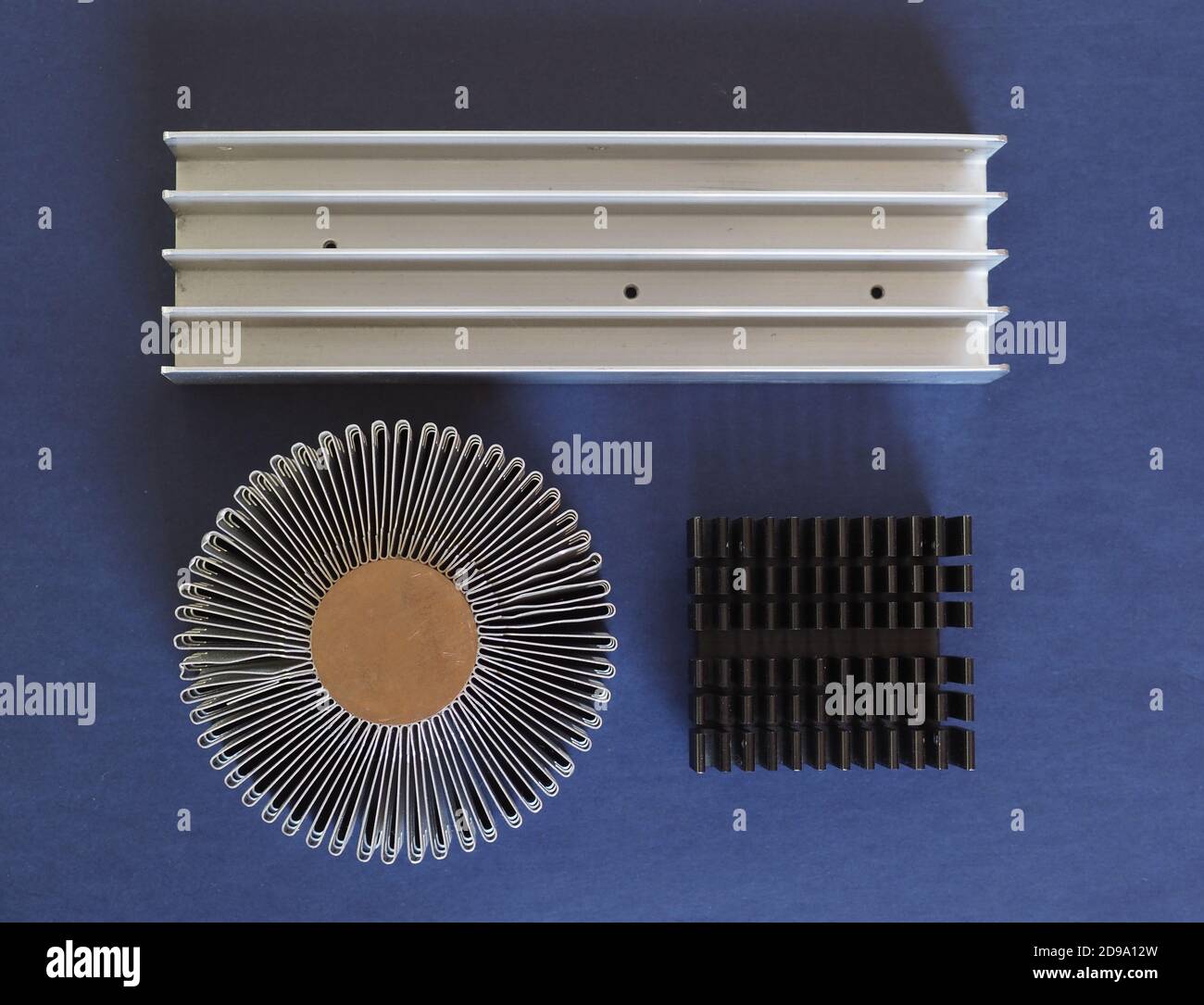
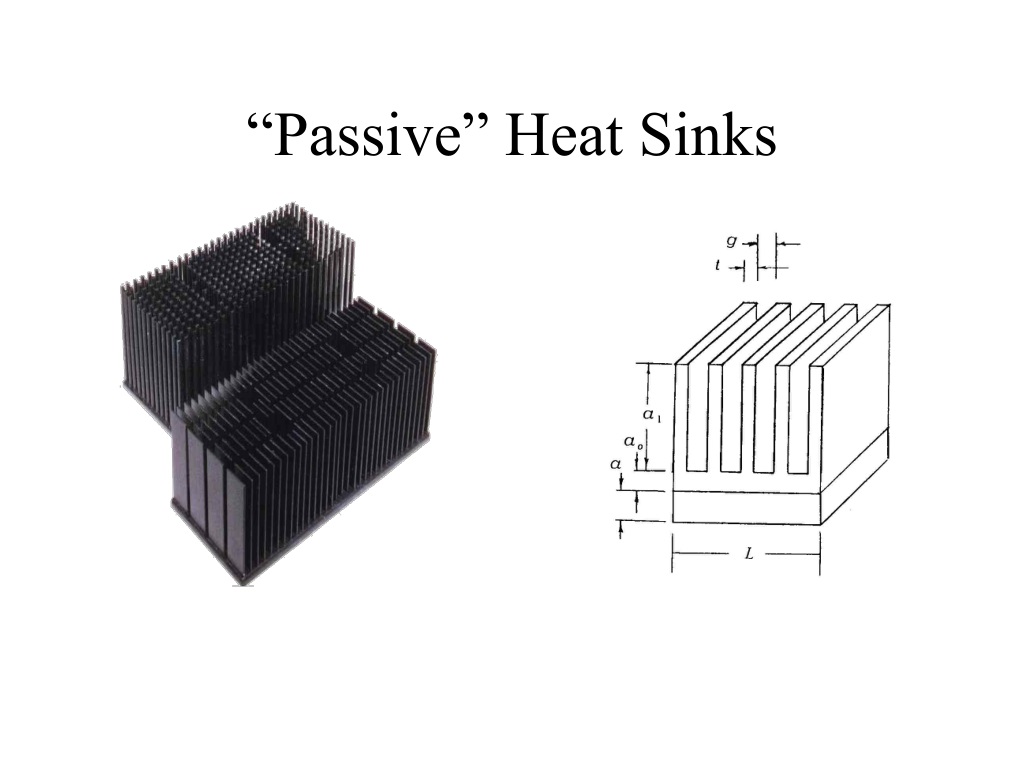
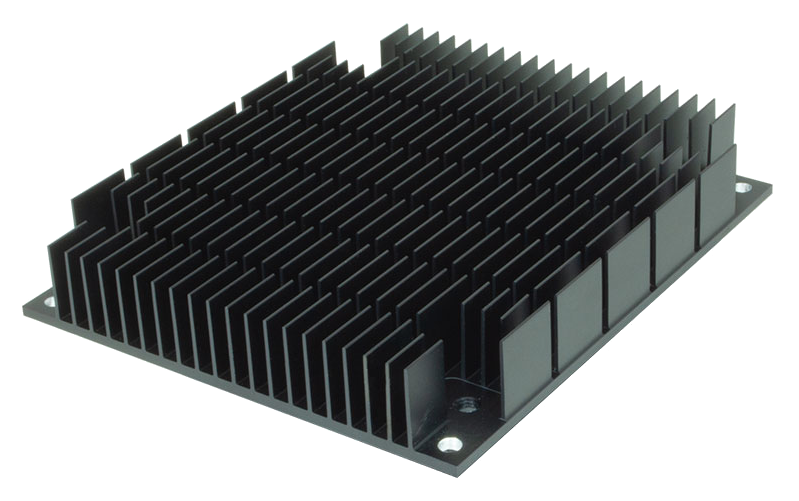
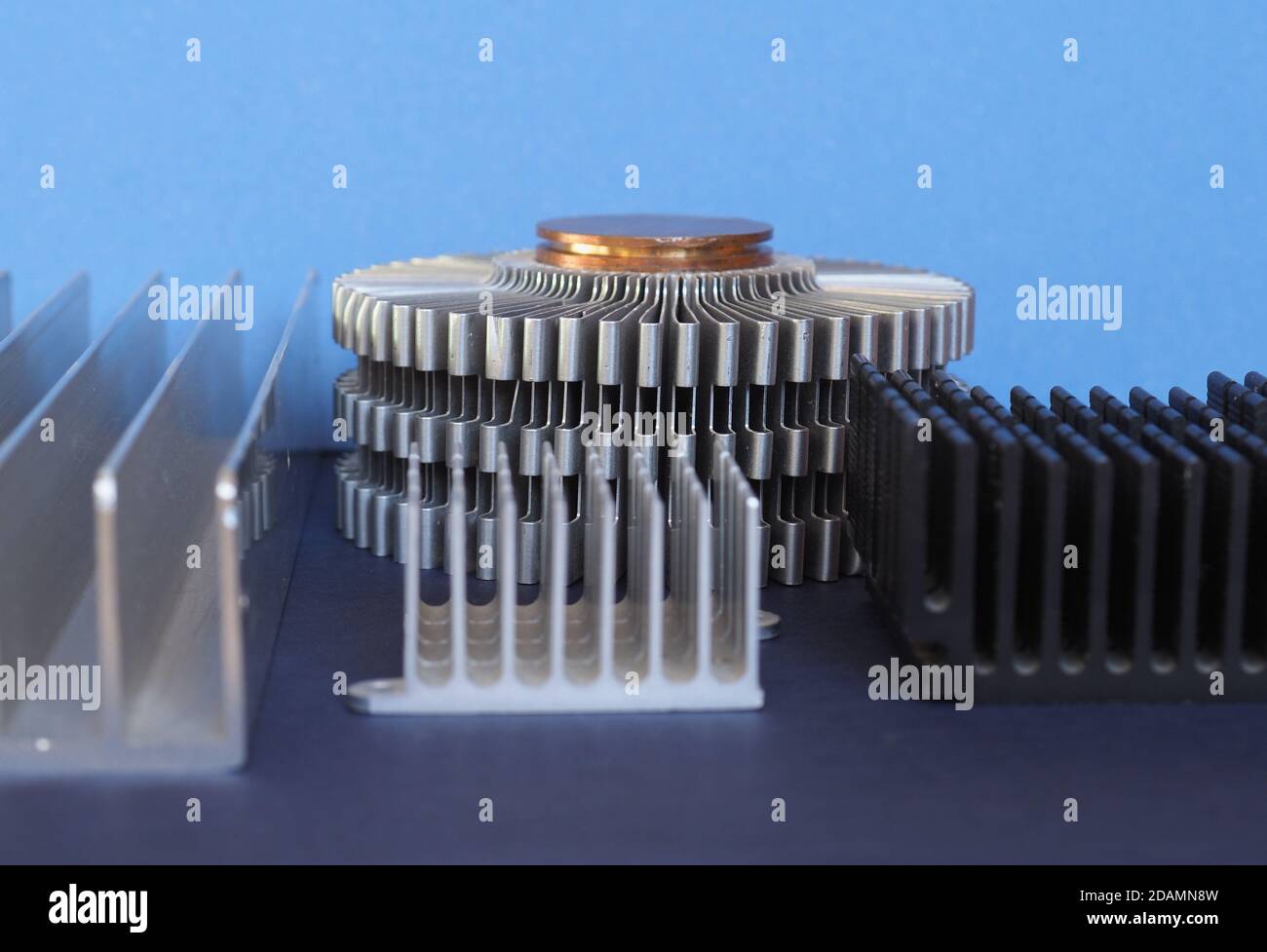
Enter the finned heat sinks we know and love (or at least, tolerate) today. Those fins increase the surface area, allowing for more efficient heat dissipation into the surrounding air.
The Art of Heat Management
Designing effective heat spreaders is a delicate balancing act. You need the right material, the right shape, and the right amount of surface area.
Engineers spend countless hours optimizing these designs, trying to squeeze every last drop of cooling performance out of them.
It’s a bit like designing the perfect paper airplane: a blend of art, science, and a healthy dose of trial and error.
More Than Just Metal: The Materials
While aluminum is common, copper is an even better conductor of heat. But copper is also heavier and more expensive.
Sometimes, you'll even see exotic materials like heat pipes incorporated into heat sinks to further enhance their performance.
Think of heat pipes as tiny, internal highways for heat, whisking it away from the CPU to a cooler location on the heat sink.
Appreciating the Unseen
The next time you're using your computer, take a moment to appreciate the humble passive heat sink.
It's the unsung hero, the silent partner, the steadfast protector of your precious processor.
Without it, your computer would quickly overheat and shut down, leaving you stranded in the digital wilderness.
From Tiny to Titanic
The principles of heat spreading apply to more than just computers. Think of the radiator in your car.
It's essentially a giant heat sink, dissipating the heat from your engine into the atmosphere.
Or consider the Earth itself, radiating heat into space, preventing our planet from becoming a scorching inferno.
So, What's the Takeaway?
While passive heat sink might sound technical, it's really just a fancy term for a heat spreader.
It’s a simple device with a crucial job: keeping things cool under pressure.
And who knows, maybe you'll even impress your friends at your next trivia night with your newfound knowledge of thermal management.
A Final Thought on Keeping Cool
In life, as in computing, it's important to have a good heat spreader. Someone who can diffuse tension, calm nerves, and keep things from boiling over.
Maybe that's the best synonym of all: a peacemaker.
So, thank you to all the passive heat sinks, both literal and metaphorical, who keep our world running smoothly.