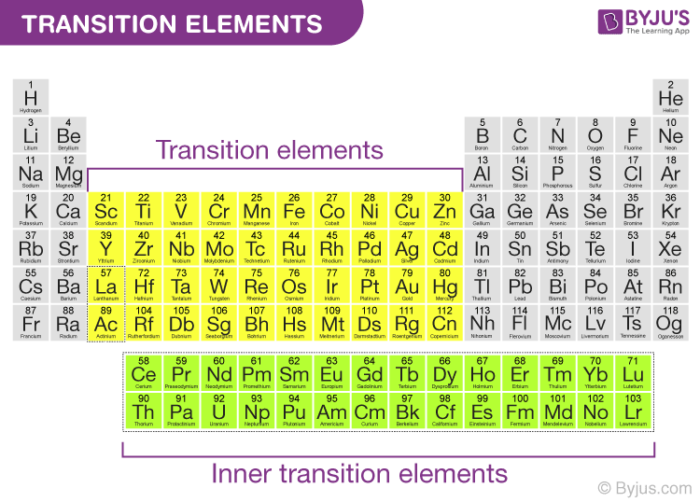
What Is Another Name For The Transition Metals
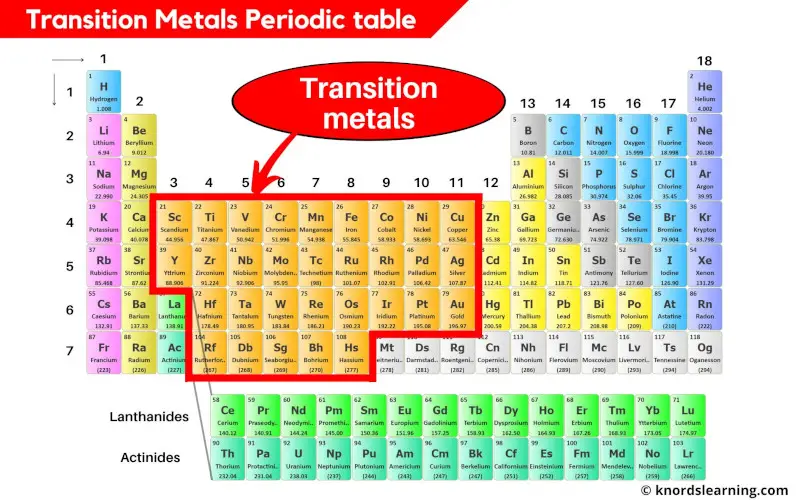
Hey there, curious minds! Ever stumbled upon a term in science class that just made your eyes glaze over? Don't worry, we've all been there. Today, we're tackling something that might sound a little intimidating – Transition Metals. But trust me, it's way cooler than it sounds!
So, you might be thinking, "Transition Metals? Sounds...metallic." And you're not wrong! But the real question is: is there another, perhaps more descriptive name for them?
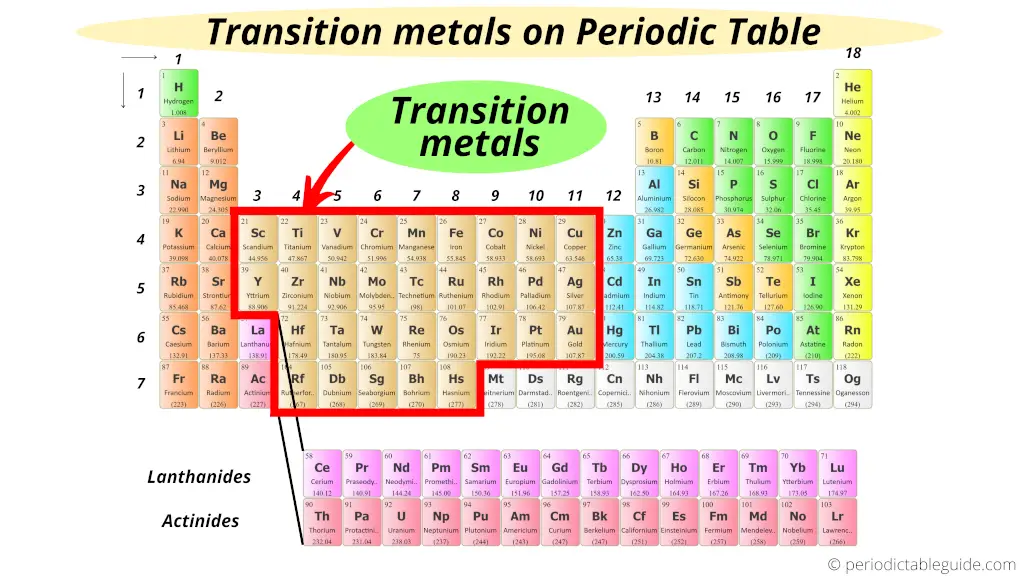
The Secret Identity of Transition Metals: "d-Block Elements"
The answer is yes! One of their aliases is, drum roll please... the d-Block Elements! Okay, okay, I know what you're thinking: "d-Block Elements? That's even more confusing!" But hold on a sec, I promise it'll make sense. Think of it as their superhero name – a bit nerdy, maybe, but totally accurate.
Must Read
Why "d-Block"? Well, it has to do with how these elements' electrons are arranged. Remember learning about electron orbitals back in school? (Don't worry if you don't! It's totally okay!) Electrons hang out in different "orbitals" around the nucleus of an atom, and these orbitals have different shapes, labeled 's', 'p', 'd', and 'f'.
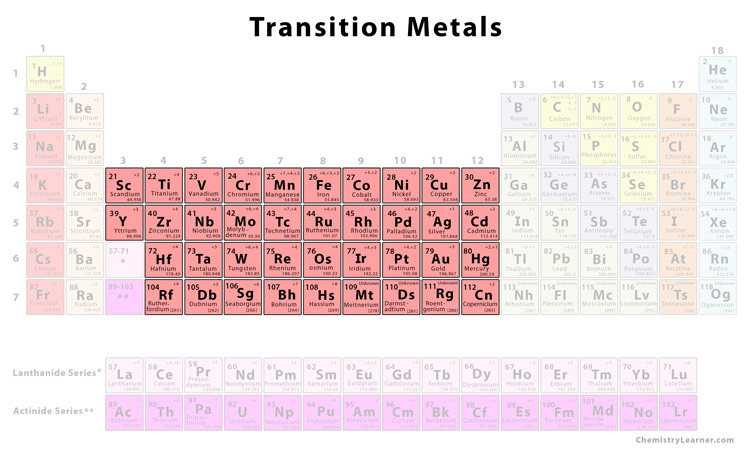
The transition metals are called "d-block" because their outermost electrons are filling up the 'd' orbitals. Basically, it’s all about where their electron "apartments" are located on the atomic building. This unique electron arrangement is actually what gives them their amazing properties!
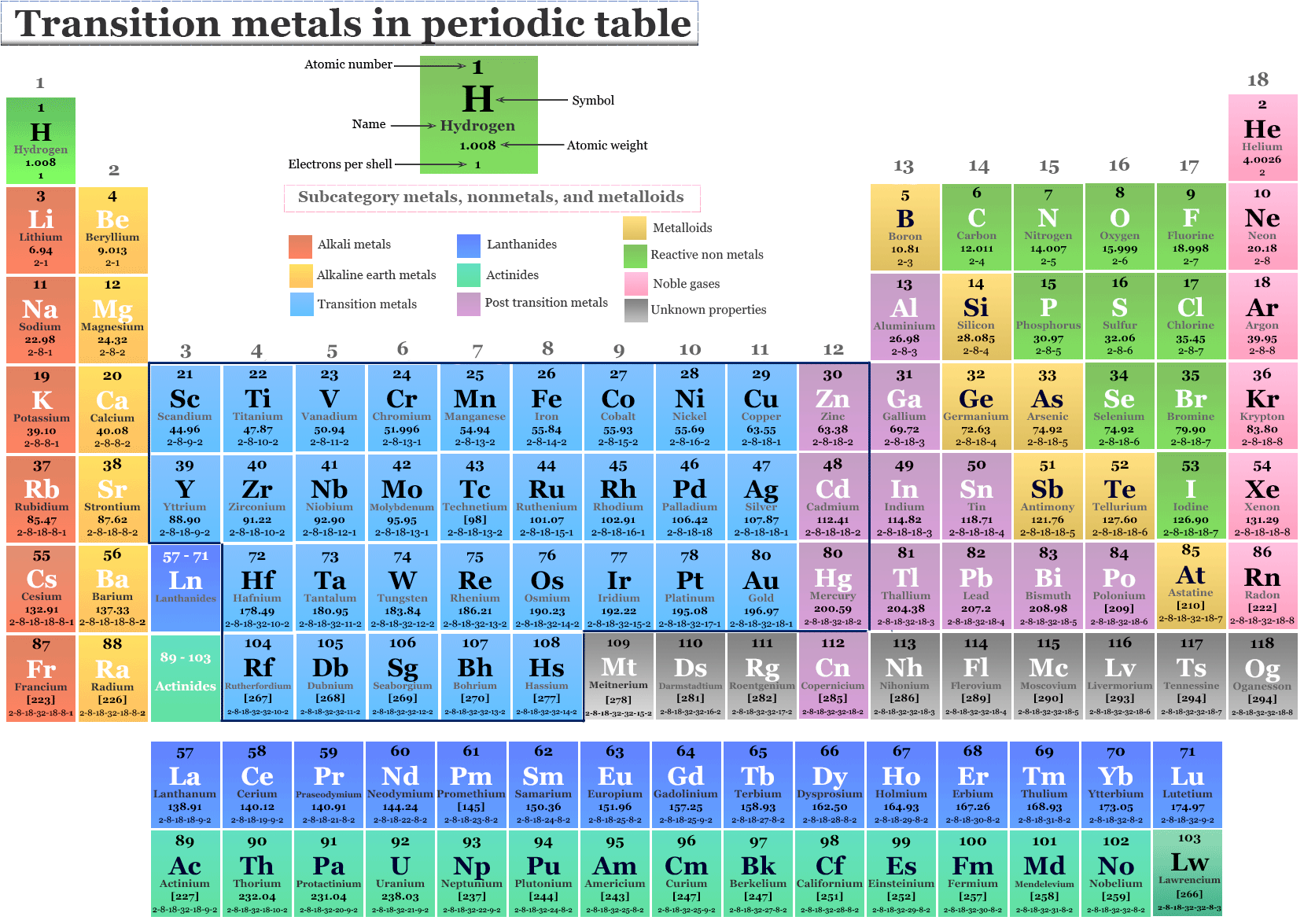
Think of it this way: The periodic table is like a seating chart at a massive chemistry party. The d-block is a special section where all the cool, colorful, and reactive elements are hanging out, sharing electrons, and making exciting things happen!
Why Should You Care About the d-Block? (aka, Why This is Actually Fun!)
Okay, so electron configurations might not be the most thrilling topic at first glance. But here's why the d-Block and transition metals should pique your interest, and why understanding them can make life a bit more colorful (literally!):
- Color, Color Everywhere: Many transition metal compounds are brilliantly colored. Think of the vibrant blues of copper sulfate, the greens of nickel, or the stunning purples of amethyst (which gets its color from iron impurities!). These colors arise from the way their d-electrons absorb and reflect light. They are the artists of the periodic table, painting our world with incredible hues.
- Catalytic Crusaders: Transition metals are fantastic catalysts. What's a catalyst, you ask? It's a substance that speeds up chemical reactions without being used up itself! They're like the matchmakers of the chemical world, helping molecules get together and react. These metals are vital in industrial processes, from making plastics to producing fertilizers.
- Essential Elements for Life: Many transition metals are essential for life itself! Iron, for example, is crucial for carrying oxygen in our blood. Zinc is vital for our immune system. Copper is needed for various enzymes to function properly. They are the unsung heroes keeping us alive and kicking!
- Materials Marvels: From the strong and durable steel used in buildings and bridges (steel is mostly iron, a transition metal) to the corrosion-resistant titanium used in airplanes and medical implants, transition metals are essential for modern technology. They're the building blocks of our modern world.
So, you see, the d-Block isn't just some abstract concept in a textbook. It's about the materials that shape our world, the colors that delight our eyes, and the elements that keep us alive! Pretty amazing, right?
Beyond the Basics: Unleashing Your Inner Chemist
Hopefully, I've convinced you that transition metals and the d-Block are way more interesting than you initially thought. Understanding these elements opens up a whole new world of possibilities. You can start to understand why certain materials behave the way they do, why some chemicals react in specific ways, and how the world around you is built at the atomic level.
Don't stop here! Explore the fascinating properties of individual transition metals like gold, silver, platinum, or tungsten. Delve deeper into the world of coordination chemistry and learn how transition metals form complex compounds with unique structures and functions.
The world of chemistry is waiting to be explored. Every element on the periodic table has its own story to tell, and the transition metals are some of the most compelling storytellers of all! Embrace the challenge, ask questions, and let your curiosity guide you. You might just discover a passion for chemistry you never knew you had!
So, go forth and explore the world of the d-Block! Who knows what amazing discoveries await?