What Is A Therm Of Natural Gas
Ever gazed at your natural gas bill, perhaps with a slight frown, wondering what exactly you're paying for beyond "gas"? You see terms like "CCF" or "Therms," and maybe your eyes just glaze over. But what if I told you understanding one of those terms – a Therm – isn't just useful, it can actually make you feel more in control of your home, your budget, and even your environmental footprint? It's like unlocking a secret code to your house's energy heart, and trust me, it’s far less intimidating than it sounds!
Think about it: natural gas powers so much of our daily comfort. It heats our homes in the winter, gives us those glorious hot showers, and fires up the stove for delicious meals. Understanding how that energy is measured means understanding your home's actual energy appetite. It’s not just about paying a bill; it's about becoming a smarter homeowner, potentially saving money, and making more informed decisions about your energy usage. That sounds pretty powerful, right?
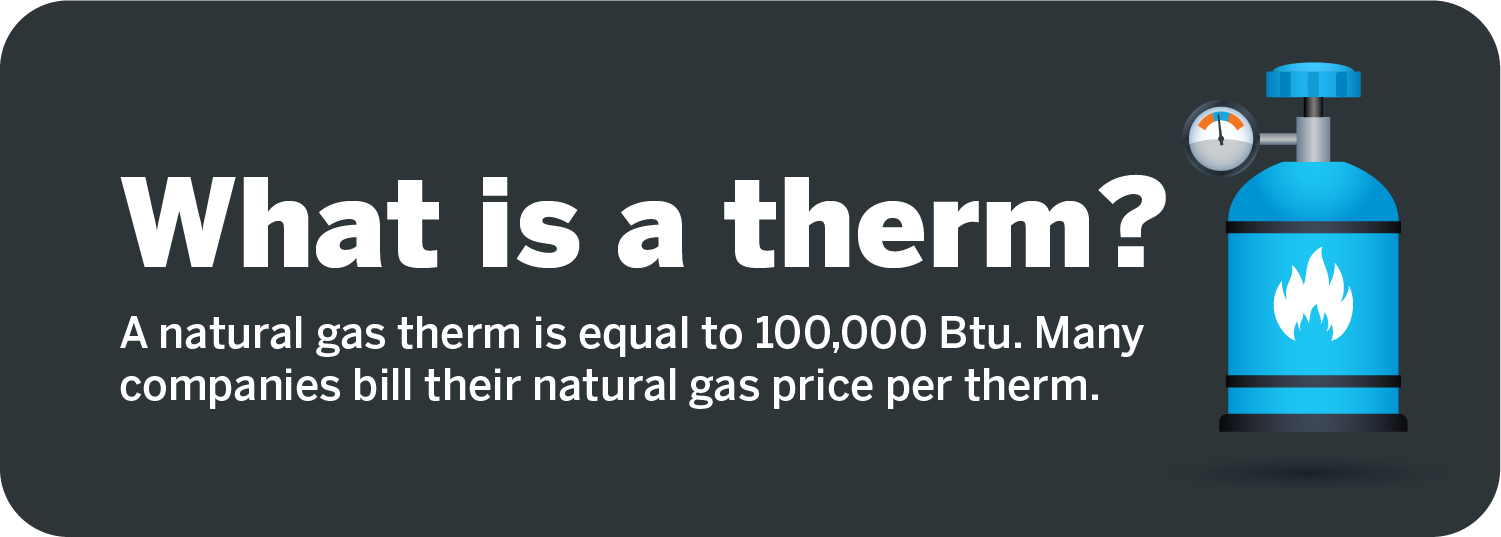
So, what exactly is a Therm? In its simplest form, a therm is a unit of heat energy. Imagine it like a calorie for your house – a measurement of how much energy your natural gas appliance actually consumes to do its job, whether that's heating water or warming a room. This is crucial because natural gas is bought and sold by volume (like cubic feet or CCF), but the actual energy contained within that volume can vary slightly depending on factors like temperature and pressure. For fair billing and consistent measurement, gas companies convert the raw volume into a standardized energy unit: the therm.
Must Read
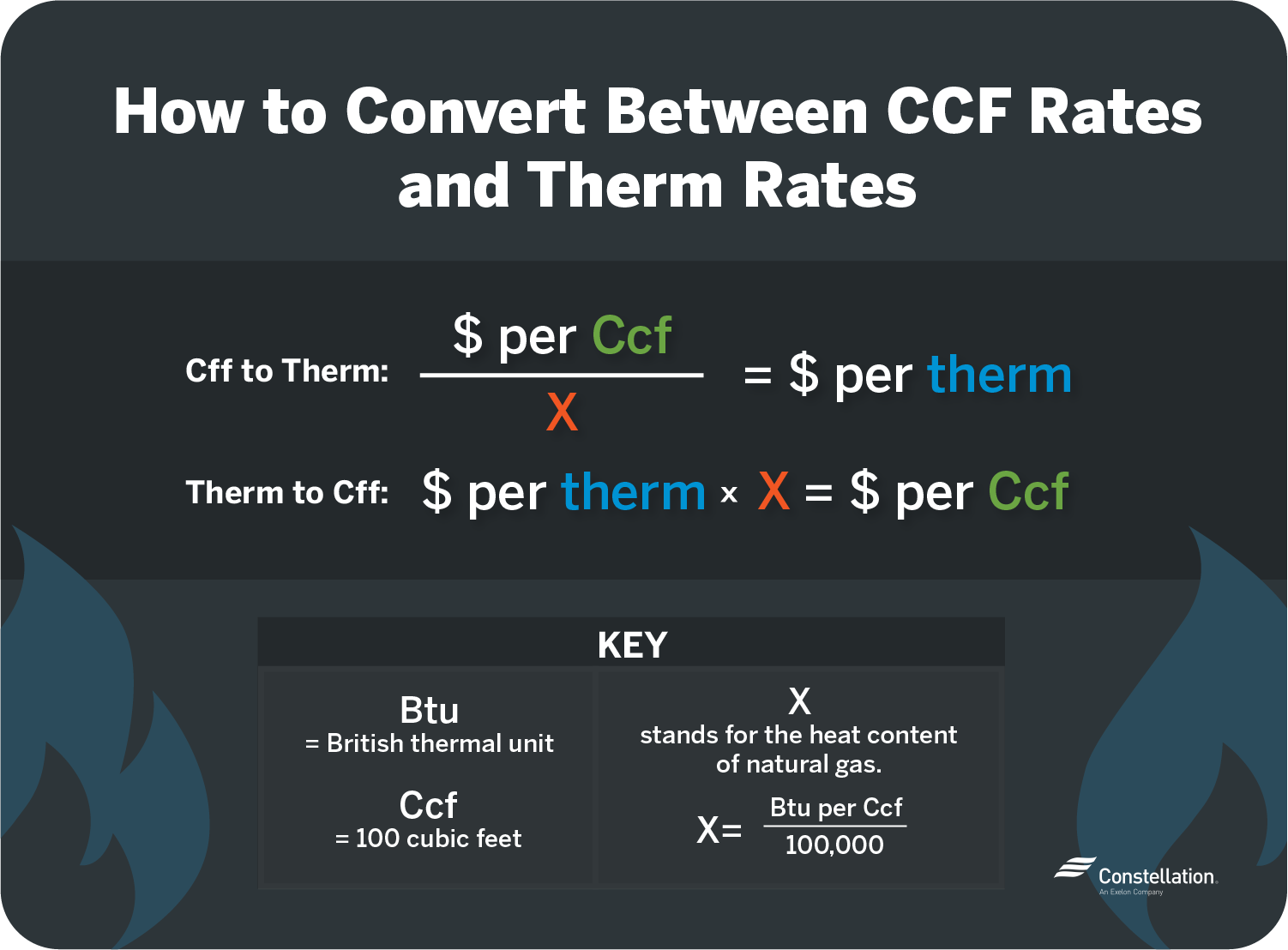
Here’s why that conversion is so important and beneficial for you: When your gas meter measures cubic feet, it's just measuring the space the gas occupies. But a cubic foot of gas on a freezing winter day has more energy packed into it than the same volume on a mild autumn day. To ensure you're always paying for the actual usable energy you receive, your gas company multiplies the volume of gas you used by a "heating value" factor, which gives you the total Therms consumed. This ensures everyone pays for the exact amount of useful energy, not just a fluctuating volume.
Knowing about therms empowers you in several practical ways. Firstly, it allows you to truly understand your gas bill. Instead of just seeing an amount, you can track your energy consumption directly. Did you use fewer therms this month? Great! That means your energy-saving efforts, like lowering the thermostat or taking shorter showers, are paying off. Secondly, it helps you compare efficiency. When buying a new furnace or water heater, you can look at its therm efficiency rating and make an educated guess about how much energy it will save you. Lastly, it’s fantastic for budgeting and conservation. By tracking your therm usage, you can predict future bills more accurately and identify peak consumption times, making it easier to adjust habits and reduce your environmental impact. Who knew a single unit of measurement could offer so much insight and control?