What Is A Smart City Example
Ever found yourself marveling at how smoothly some parts of your city operate? Perhaps a traffic light seems to instinctively know when to change, or you find a parking spot with surprising ease. Maybe the streetlights dim when no one's around, saving energy, then brighten as you approach. These aren't just happy accidents; often, they’re the subtle, yet powerful, whispers of a smart city at work. We all benefit from a city that's running like a well-oiled machine, making our daily lives just a little bit easier and a whole lot more efficient.
At its heart, a smart city isn't some futuristic sci-fi concept; it's about using technology and data to improve urban living for everyone. Its purpose is to solve real-world problems – think frustrating traffic jams, overflowing bins, high energy costs, and even public safety concerns – by making our urban environments more responsive and sustainable. Imagine a city that’s constantly learning and adapting, making decisions based on real-time information rather than guesswork. This translates directly into everyday benefits: less time stuck in traffic means more time with loved ones, optimized public transport routes reduce commute stress, and better waste management keeps our neighborhoods cleaner and healthier. It’s about creating a living space that feels more harmonious, where resources are used wisely, and services are delivered effectively.
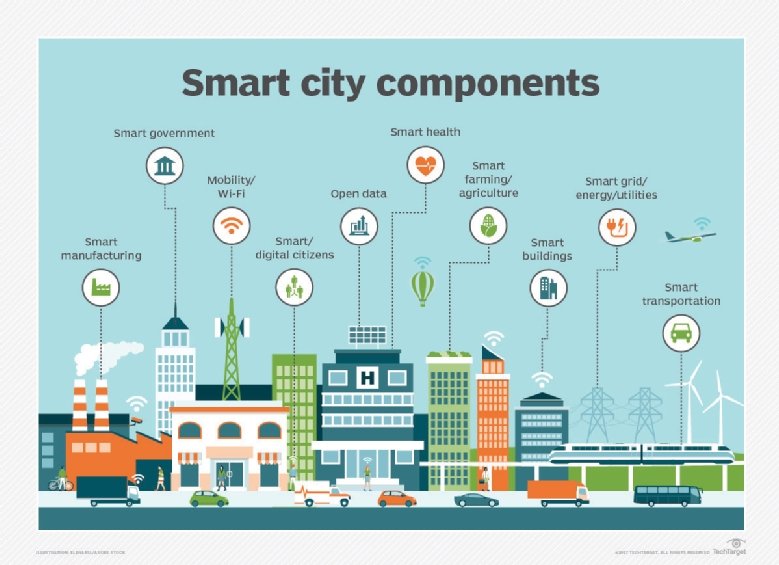
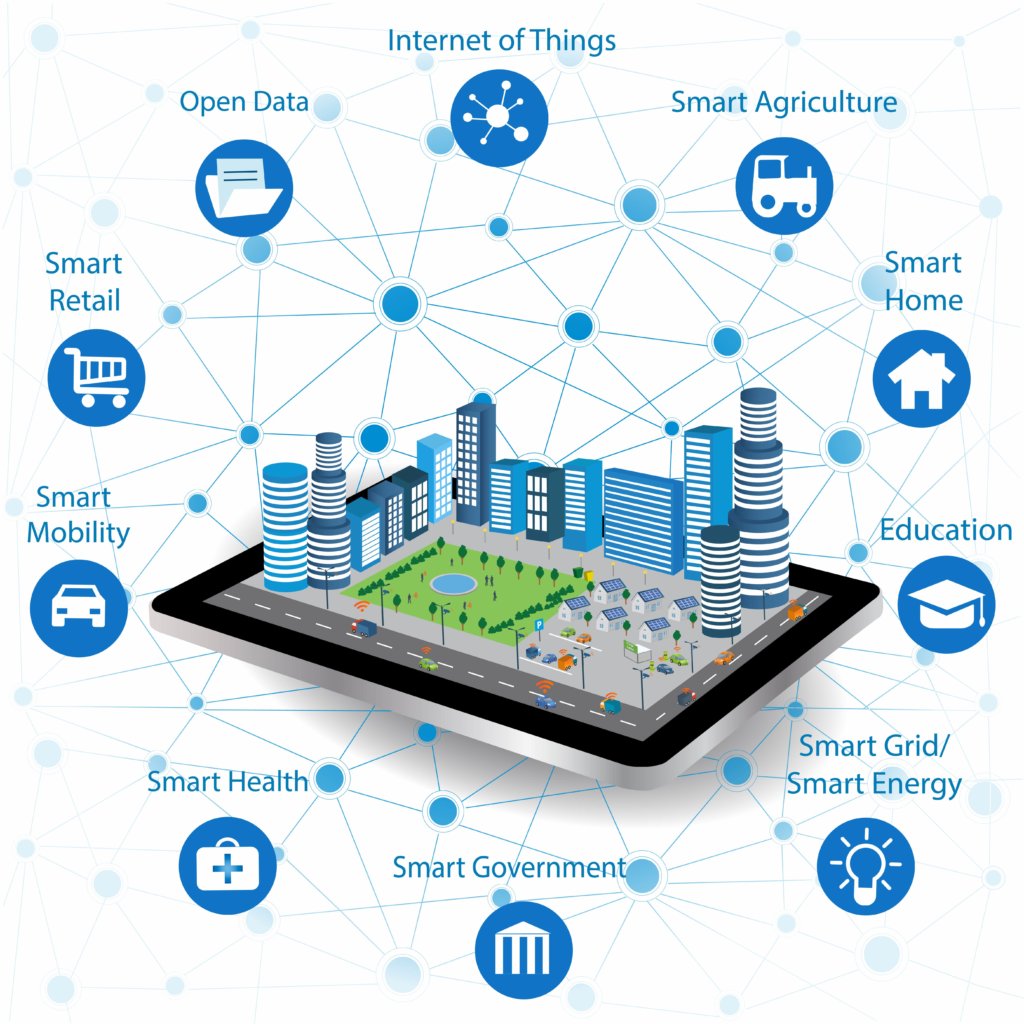
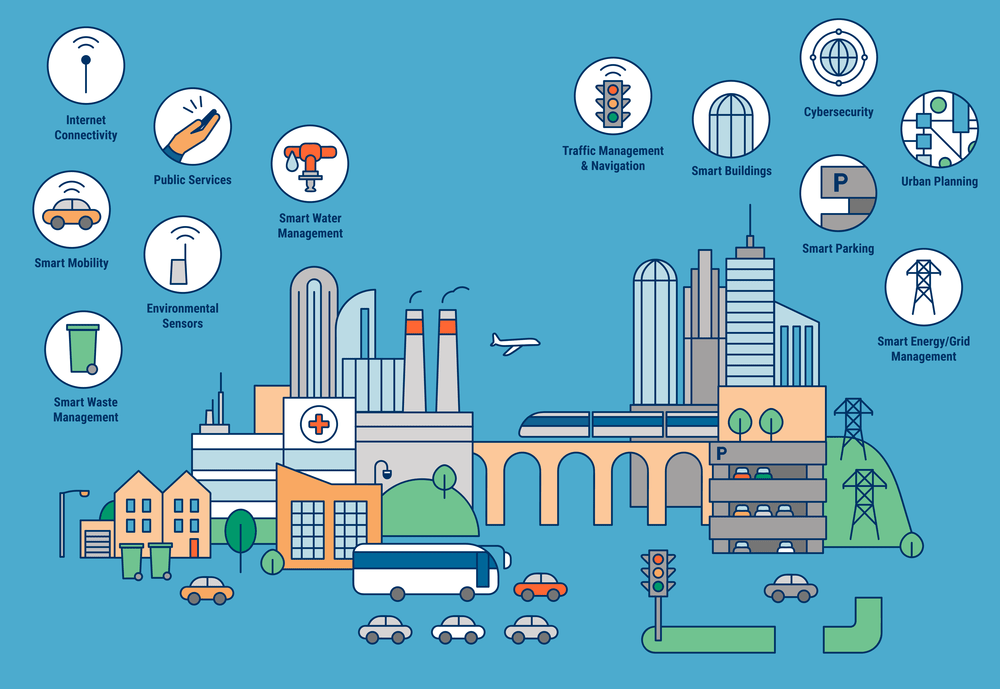
So, what does this look like in practice? A fantastic common example is smart traffic management. Cities like Singapore and Barcelona utilize a network of sensors embedded in roads and traffic lights. These sensors detect congestion, vehicle speeds, and pedestrian movement, feeding data to a central system that then dynamically adjusts traffic light timings to optimize flow. This means fewer bottlenecks and smoother journeys for drivers and public transport users alike. Another great instance is smart waste collection. In cities such as Amsterdam, smart bins are equipped with sensors that notify waste management services only when they are full, allowing for optimized collection routes that save fuel, reduce emissions, and prevent unsightly overflowing bins. We also see smart public lighting that adjusts brightness based on ambient light and human presence, significantly cutting energy consumption. Even finding a parking spot is becoming smarter, with apps that use real-time data to guide you to available spaces, reducing frustrating circling and associated pollution.
Must Read
To truly enjoy and make the most of your city's smart features, a little awareness goes a long way. Firstly, become familiar with your city’s official mobile apps. Many municipalities offer apps that provide real-time information on public transport, parking availability, local events, and even permit reporting issues like potholes. Secondly, embrace new forms of urban mobility, whether it's understanding e-scooter zones or engaging with shared bike schemes that are often integrated into smart city infrastructure. Thirdly, be an engaged citizen! Your feedback on city services, whether good or bad, can help planners refine and improve these smart systems. Finally, understand that these innovations are designed to make your life better, so try to embrace the changes and opportunities they bring. A smart city works best when its residents are actively participating, even if it's just by appreciating the smoother ride home.