What Is A Slicer In 3d Printing
So, you’ve seen the magic, right? A 3D printer whirring away, slowly but surely pulling a physical object out of thin air. It’s like something from a sci-fi movie. People gather around, eyes wide, whispering about the machine itself. “Oh, look at that fancy new Creality K1 Max!” they exclaim. Or, “My Bambu Lab P1S is just incredible!”
And don’t get me wrong, those printers are cool. They’re shiny, they make satisfying noises, and they do the actual grunt work. But I’m here to drop a truth bomb, an opinion so unpopular it might just make your filament spool spin backwards. Ready?
The printer is not the hero. The printer is merely the dutiful, slightly dumb, worker bee. The true genius, the undeniable mastermind, is something you probably haven’t thought about: the slicer.
Yes, I said it. The slicer. Sounds a bit boring, doesn’t it? Like a kitchen gadget for cutting vegetables. But in the world of 3D printing, the slicer isn't just important; it’s the puppet master. Without it, your super-duper, high-tech printer is just a glorified hot glue gun with an existential crisis.
What Is This Slicer Sorcery?
Imagine you have a beautiful 3D model on your computer. Maybe it’s a tiny dinosaur, or a new cookie cutter, or even a miniature bust of your cat. It’s a complete object in a digital world. Now, how does a printer, which only understands how to move back and forth and squirt plastic, know how to build that?
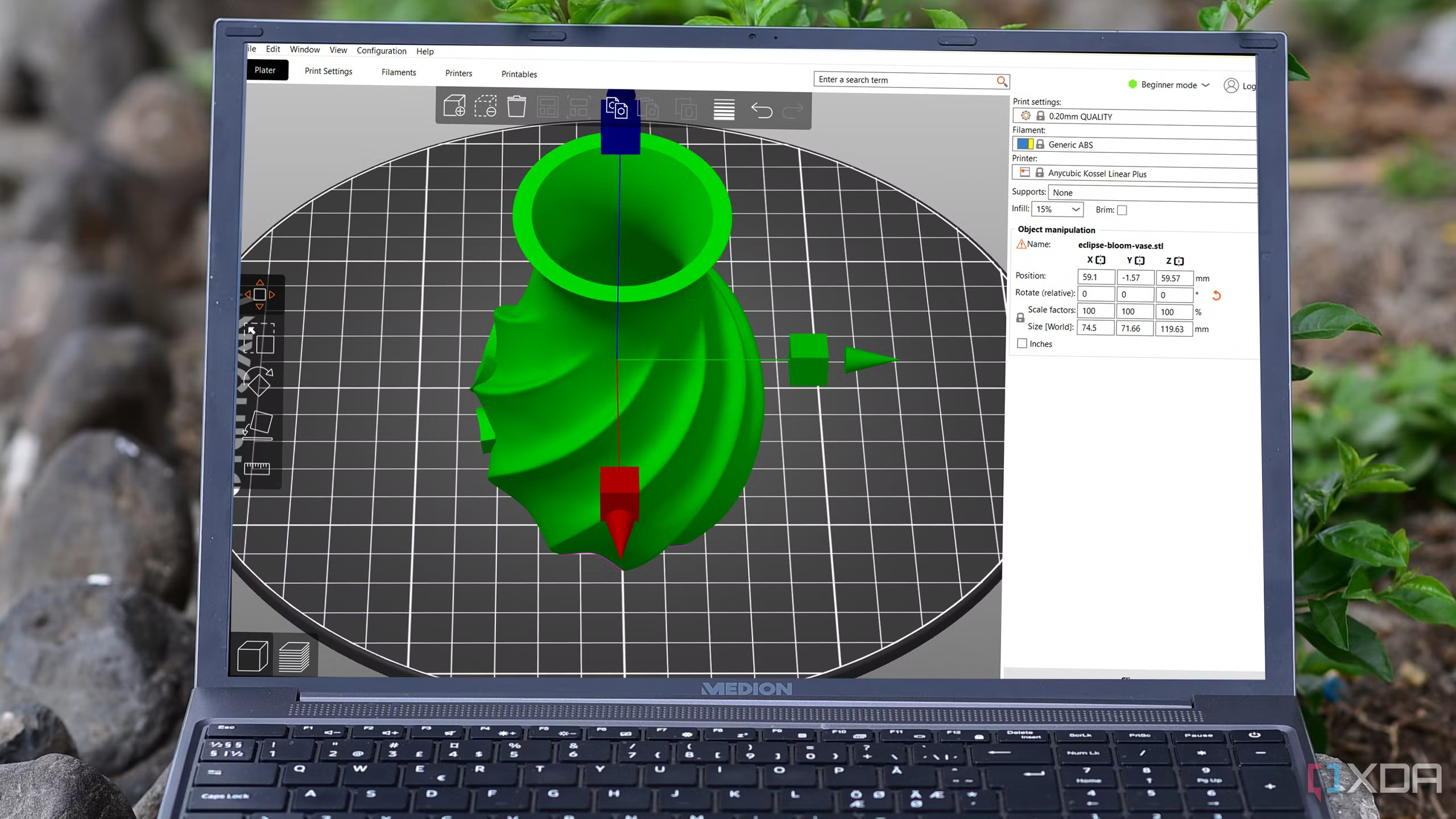
That’s where our unsung hero, the slicer, comes in. It takes your glorious 3D model, usually in a file format called STL or OBJ, and performs a digital autopsy on it. It literally “slices” the model into hundreds, sometimes thousands, of super-thin horizontal layers. Think of it like slicing a loaf of bread, but digitally, and with far more precision.
But it doesn't stop there! For each of those tiny slices, the slicer figures out exactly what path the printer’s nozzle needs to take. It decides where to start, where to stop, how fast to move, how much plastic to push out, and even how hot the plastic needs to be. It's creating a step-by-step instruction manual, a meticulous dance routine for your printer, layer by painstaking layer.
The Unsung Commander of Detail
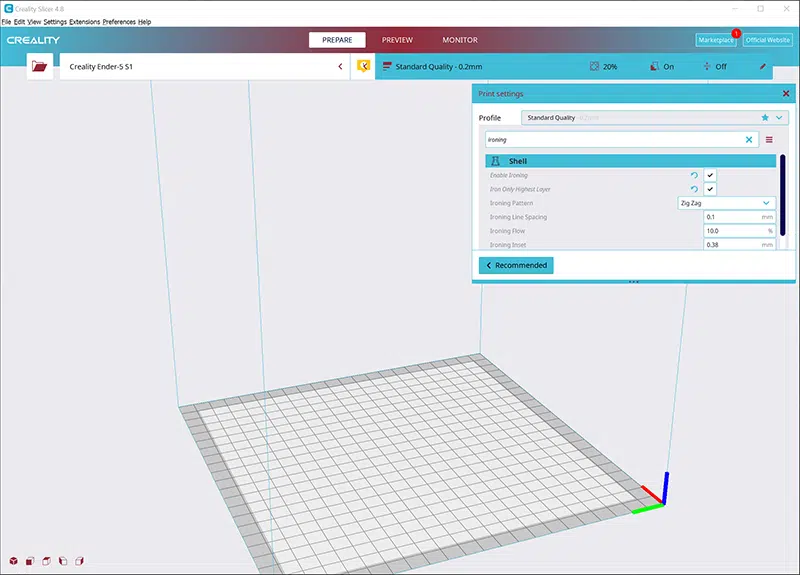
The slicer also makes crucial decisions that affect the final quality and strength of your print. Ever heard of infill? That’s the internal honeycomb or grid structure inside your print that the slicer designs. It can be hollow, strong, or anything in between. The slicer decides that!
What about supports? Sometimes, a model has overhangs that would just droop mid-air. The slicer intelligently adds temporary structures beneath them, like scaffolding, which you can easily remove later. It’s thinking ahead, anticipating problems, long before your printer even warms up.
It sets the print speed, the layer height (how fine or coarse the slices are), and the crucial temperatures for both the nozzle and the print bed. These aren't random numbers; they are precise commands from the slicer to the printer. If your print fails, nine times out of ten, it’s not the printer throwing a tantrum; it’s the slicer that wasn't given the right settings, or perhaps you didn't understand the slicer's language.
Blame the Slicer (Or Thank It!)
So, the next time your 3D print comes out looking less like a masterpiece and more like a blob, don’t immediately shake your fist at the expensive machine. Pause. Reflect. Did you give the slicer good instructions? Did you tweak its settings properly? Because that printer is just faithfully executing the slicer's orders, no matter how ridiculous they might be.
Conversely, when you pull a perfectly formed, intricate print off the build plate, everyone will coo over your printer. But you and I, we know the truth. We know the real genius. We know who deserves a quiet nod of appreciation. It's the humble, powerful, and utterly indispensable slicer.
So let’s hear it for the real MVP of 3D printing. Let’s raise a virtual toast to the digital brain, the detailed choreographer, the true unsung hero that makes all that amazing 3D printing magic possible. Give your slicer some love, folks. It's earned it.