
What Is A Short Circuit And Why Is It Dangerous
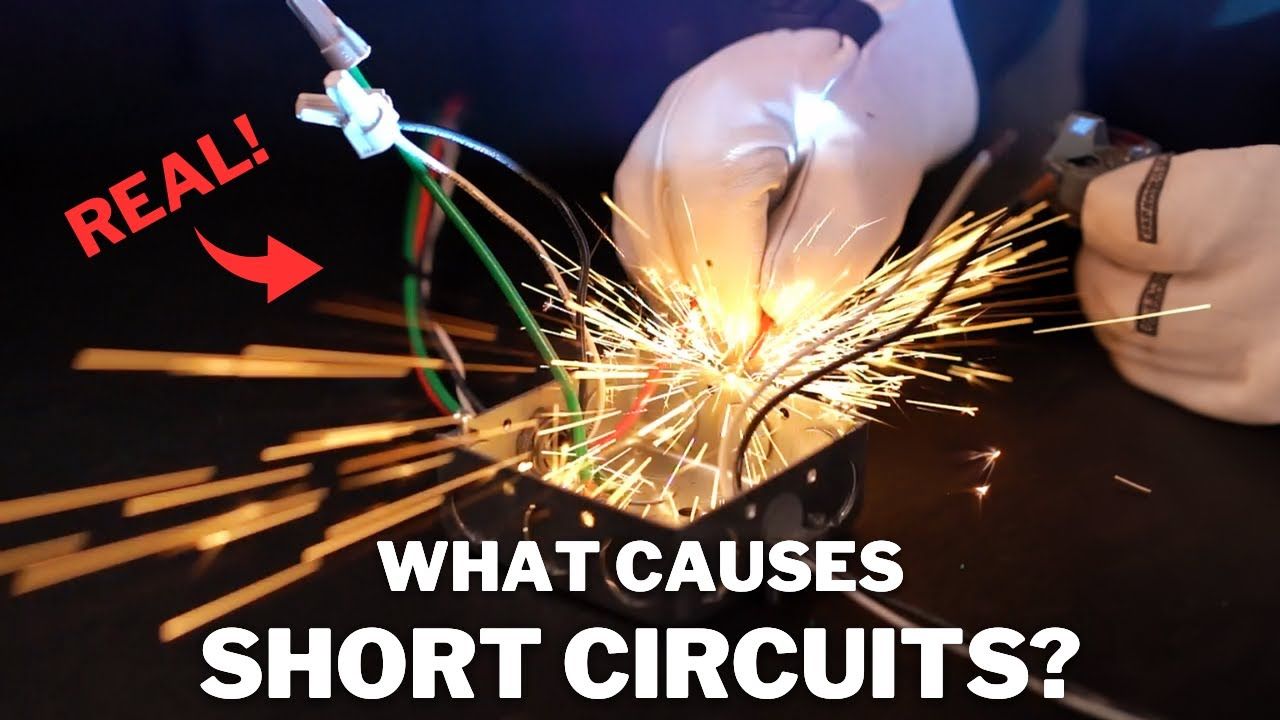
Alright, settle in folks, grab your metaphorical coffee, and let's talk about short circuits. Not the 80s movie with the cute robot – though, now that I think about it, maybe Johnny 5 was just a walking, talking short circuit waiting to happen! No disassemble! But I digress...
We're talking about the electrical kind of short circuit. The kind that can make your hair stand on end, not because you just saw a ghost, but because you might become one. Okay, that's a bit dramatic, but seriously, they're no laughing matter. Unless you find electrocution funny. In which case, you need help.
So, What IS a Short Circuit?
Imagine electricity as a river, okay? A very, very impatient river. It's supposed to flow neatly through its designated channel – the wires in your appliances, your walls, whatever. This river has a specific route, carefully designed to power your toaster, your TV, or that questionable vibrating chair you bought online at 3 a.m.
Must Read
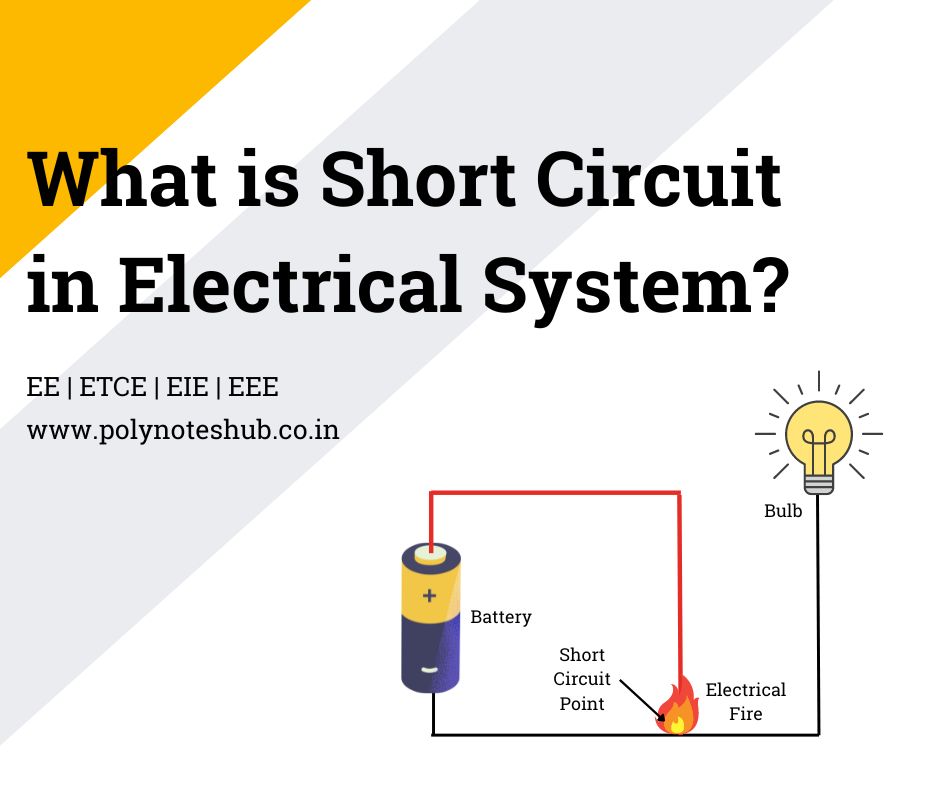
Now, a short circuit is like that river deciding it's had enough of the designated route and cutting through the backyard. It finds a shortcut! Usually, this shortcut is a path of much lower resistance. Basically, it's easier to go that way. And electricity, being lazy like the rest of us, loves the easy path.
Think of it like this: You're on your way to work, stuck in traffic, when suddenly you remember that secret back alley shortcut your crazy Uncle Jerry told you about. It's bumpy, probably involves dodging a few stray cats, and might even lead through someone's garden gnome collection, but it's faster. That's your short circuit.
This shortcut, however, isn't supposed to be there! It's not designed to handle that much electrical current. And that, my friends, is where the fireworks begin – sometimes literally!

Why Are They So Dangerous?
Because all that electricity, crammed into a tiny, unauthorized space, creates a whole lotta heat! Think of it as trying to shove the entire population of New York City through a garden hose. Things are gonna get messy. And hot. Very, very hot.
Heat is the primary danger. This excess heat can melt insulation on wires, causing them to touch and creating even MORE short circuits (it's a vicious cycle, like watching reality TV). It can also ignite nearby flammable materials, like, say, the mountain of laundry you’ve been meaning to fold for the past month. Boom! Fire hazard!
That’s not all though. The sudden surge of current can also damage your appliances. Imagine your blender trying to process a bowling ball. It ain’t gonna end well. You might end up with a smoky, mangled mess and a serious case of blender-related regret.
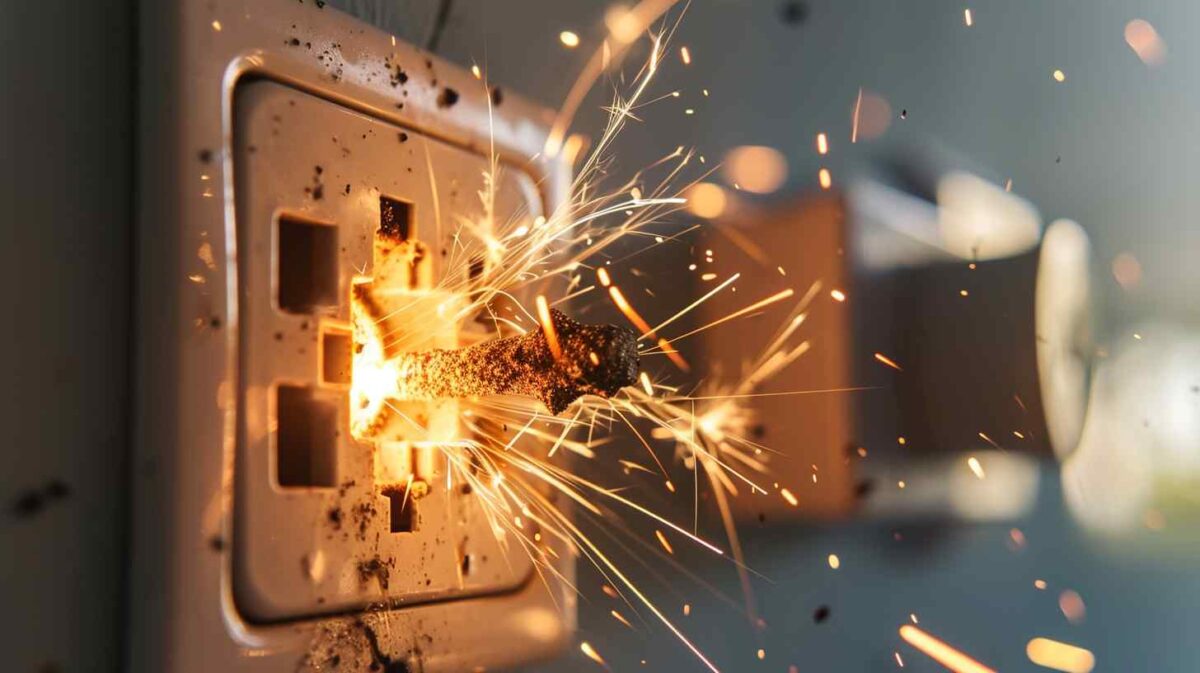
And let's not forget the obvious: electrocution. If you happen to be in the path of that rogue electricity river when it decides to take its shortcut, well, let's just say you'll feel a tingling sensation. Followed by, potentially, a permanent vacation. Seriously, don't mess with electricity.
What Causes These Electrical Shenanigans?
Lots of things! Worn-out insulation on wires is a big culprit. Think of it as the rubber coating on the wire getting old and wrinkly, like your grandpa in a speedo (sorry, Grandpa!). Eventually, it cracks and exposes the bare wire underneath, creating a tempting shortcut.
Loose connections are another common cause. If a wire isn't securely connected to an outlet or appliance, it can create a gap, leading to arcing and sparking, which can eventually lead to a short circuit. Imagine a wobbly table leg – eventually, the whole table's gonna collapse, right? Same principle.
Moisture is also a party pooper. Water and electricity don't mix, unless you're aiming for a dramatic and potentially fatal science experiment. Water can create a conductive path, allowing electricity to flow where it shouldn't. So, please, don't take your toaster into the bathtub.
How to Avoid a Short Circuit Disaster (and the Wrath of Your Insurance Company)
First and foremost, if you suspect a short circuit – you smell burning plastic, see sparks, or your lights flicker incessantly like they're trying to send you a Morse code message – TURN OFF THE POWER IMMEDIATELY! Go to your circuit breaker box and flip the relevant breaker. This is your electrical safety valve. Learn to use it!
Regularly inspect your electrical cords and appliances for signs of wear and tear. If you see frayed wires, cracks in the insulation, or loose connections, get them repaired or replaced ASAP. Don't try to fix it yourself unless you're a qualified electrician. Electricity is not a DIY project for the faint of heart (or the electrically inept).

Don't overload your circuits. Plugging too many appliances into a single outlet is like inviting the entire neighborhood over for a party in your tiny apartment. It's gonna get crowded, uncomfortable, and potentially destructive. Use power strips with surge protectors and spread the load across multiple outlets.
And finally, if you're ever unsure about anything electrical, call a professional. Seriously. A qualified electrician can diagnose and fix problems safely and efficiently. It's a small price to pay for peace of mind (and avoiding a potential house fire).
So, there you have it. Short circuits: potentially dangerous, but easily avoidable with a little common sense and a healthy respect for the power of electricity. Now, if you'll excuse me, I'm going to go check my vibrating chair...just in case.