What Is A Seer Rating On An Air Conditioner

Summer. The season of sunshine, beach trips, and… skyrocketing energy bills? If your air conditioner is working overtime and your wallet is feeling the burn, it might be time to talk SEER. No, we're not talking about someone who can predict the future (though that would be handy when choosing appliances!). We're diving into the SEER rating on your air conditioner, and why it’s more important than you think.
Decoding the Alphabet Soup: What is SEER?
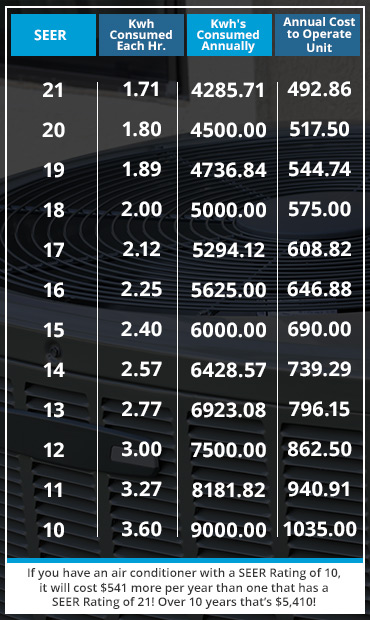
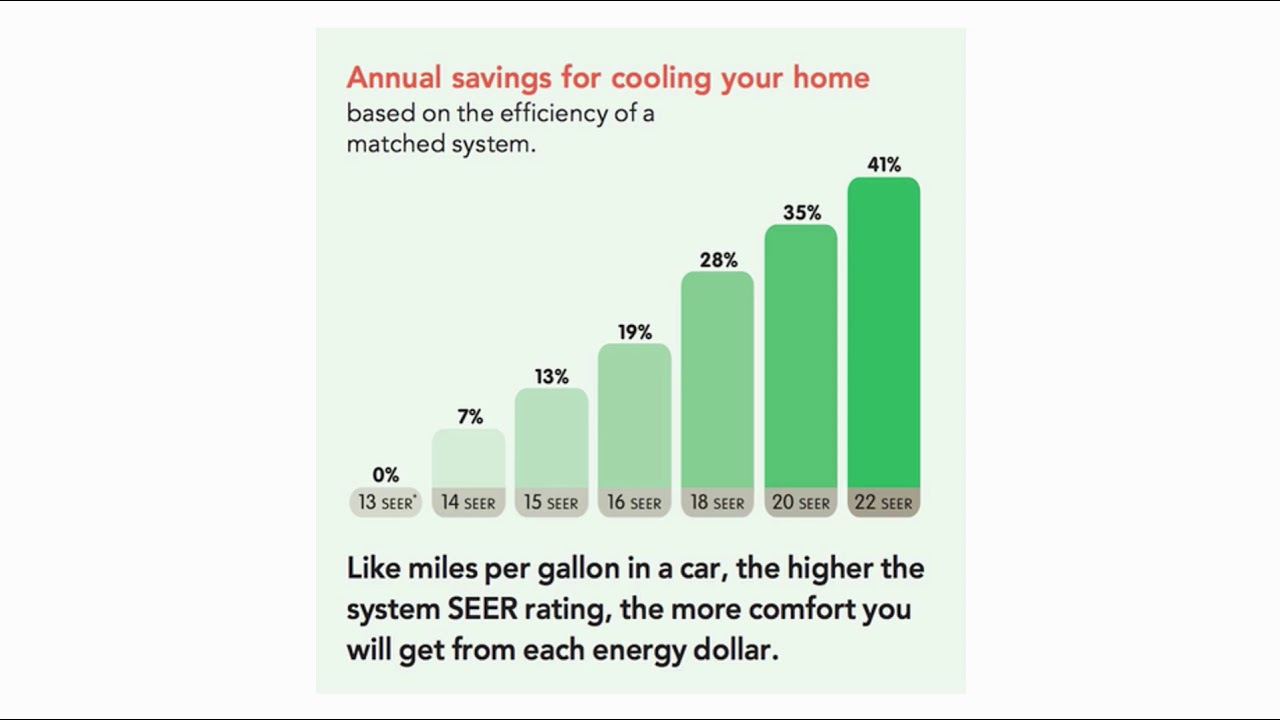
SEER stands for Seasonal Energy Efficiency Ratio. Think of it as your AC's miles-per-gallon rating. It measures how efficiently an air conditioner cools your home over a typical cooling season. The higher the SEER rating, the less energy the unit uses to produce the same amount of cooling. It's like comparing a gas-guzzling vintage Cadillac to a sleek, fuel-efficient Tesla – both get you there, but one is significantly easier on your bank account.
Imagine this: you're throwing a summer BBQ. One AC has a low SEER rating, chugging electricity like it’s iced tea on a hot day. The other, with a high SEER rating, sips energy discreetly, keeping everyone cool and comfortable without sending your energy bill into orbit. Which AC would you prefer hosting with?
Must Read
Why Should You Care About SEER Ratings?
Besides the obvious benefit of saving money on your energy bills, a higher SEER rating also means a smaller carbon footprint. You’re using less electricity, which contributes to a more sustainable lifestyle. It's a win-win! Plus, many utility companies offer rebates for installing energy-efficient appliances, further sweetening the deal.
Think of it as an investment. While a higher SEER unit might have a higher upfront cost, the long-term savings in energy bills will often more than make up for the initial expense. It's like buying a really well-made pair of boots – they cost more initially, but they'll last for years and save you money on replacements in the long run.

Navigating the SEER Landscape: What's a Good Rating?
The minimum SEER rating currently mandated by the U.S. Department of Energy is 14 SEER. However, you can find units with ratings as high as 28 SEER! Generally, a SEER rating of 16 or higher is considered good, and anything above 20 is excellent.
Keep in mind that the ideal SEER rating for your home depends on several factors, including your climate, the size of your house, and your budget. A homeowner in scorching Arizona will likely benefit from a higher SEER rating than someone in a milder climate. Consult with a qualified HVAC professional to determine the best SEER rating for your specific needs.
Pro Tip: Look for the Energy Star label. Products with this label meet strict energy efficiency guidelines set by the EPA, making them a reliable choice.
Beyond the Numbers: Factors Affecting Efficiency
It's not just about the SEER rating! Proper installation and maintenance are crucial for optimal performance. Even the highest SEER unit won't perform efficiently if it's installed incorrectly or if the air filters are clogged. Regular maintenance, like cleaning or replacing air filters, can significantly improve your AC's efficiency and extend its lifespan.
Imagine buying a brand-new, high-performance sports car, but never changing the oil or getting it tuned up. It wouldn't perform at its best, right? The same principle applies to your air conditioner.

Quick Checklist for AC Efficiency:
- Regularly change or clean air filters.
- Ensure proper insulation in your home.
- Seal any air leaks around windows and doors.
- Schedule annual maintenance with a qualified HVAC technician.
SEER and Your Daily Life
Understanding the SEER rating on your air conditioner is about more than just saving money. It's about making informed decisions that impact your comfort, your wallet, and the environment. In a world where we're constantly bombarded with information, taking the time to understand the technology that powers our homes is empowering. It’s about being a conscious consumer, making choices that align with your values and your long-term goals.
So, the next time you’re thinking about your air conditioner, remember the SEER rating. It's a simple number that can make a big difference. And who knows, maybe learning about SEER will spark a conversation at your next summer BBQ (cooler conversation than the weather, perhaps!).