What Is A Rare Earth Mineral
Ever wonder what makes your smartphone so smart, your electric car hum along, or those massive wind turbines spin with such effortless power? It's not magic, but it might as well be! We're talking about a fascinating group of materials that are the secret ingredients in nearly every piece of modern technology we hold dear: Rare Earth Minerals. Forget boring rocks; these elements are the unsung heroes powering our digital lives and driving the green energy revolution. Let's dive into their incredible world!
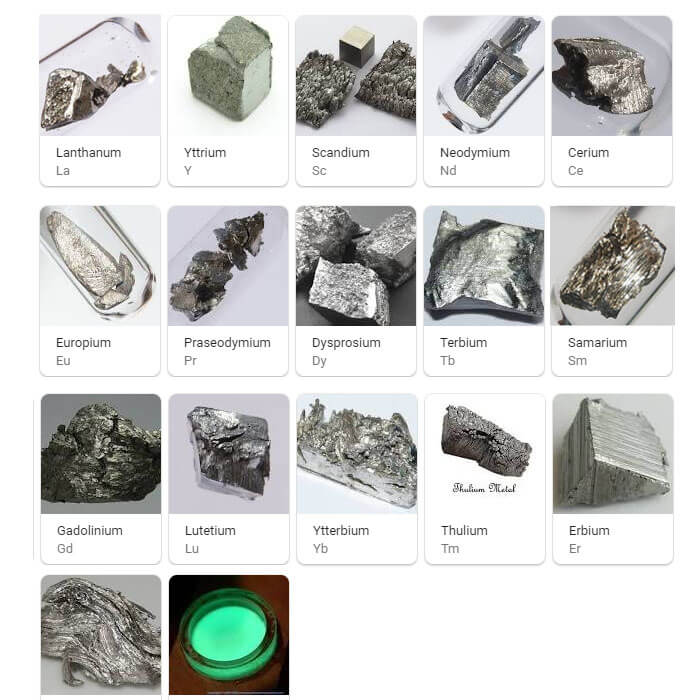
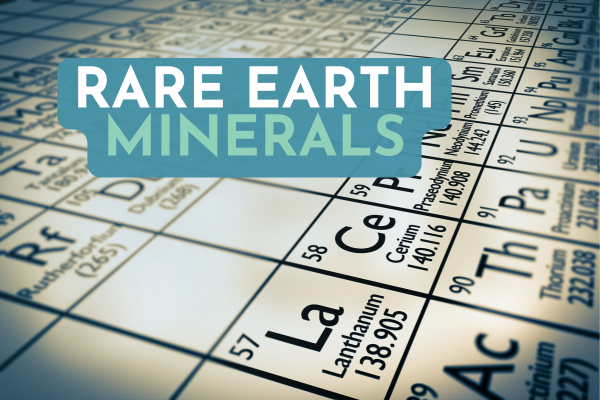
So, what exactly are these mysterious "rare earths"? Despite their name, they are not actually that rare in the Earth's crust – in fact, some are more abundant than gold! The "rare" part comes from how difficult it is to find them in economically viable, concentrated deposits. They are a unique group of 17 chemical elements on the periodic table, including exotic-sounding names like Neodymium, Lanthanum, and Europium. What makes them special is their extraordinary magnetic, phosphorescent, and electrochemical properties.
Now, for the fun part: what do these amazing elements actually do? Prepare to be amazed by their superpowers!
Must Read
- Super-Strong Magnets: Take Neodymium, for example. It's the king of permanent magnets, allowing for incredibly powerful yet tiny motors and sensors. Think about the vibration in your phone, the speakers in your headphones, the hard drive in your computer, and the precision motors in electric vehicles and drones. Even those giant wind turbines that generate clean energy rely on Neodymium magnets to convert wind into electricity efficiently. Without them, our tech would be bulkier, less powerful, and far less efficient!
- Vibrant Displays and Lighting: Ever admired the brilliant colors on your TV, phone screen, or LED lights? Thank elements like Europium, Terbium, and Yttrium. They are crucial for producing the vibrant reds, greens, and blues that bring our screens to life and make energy-efficient lighting possible. They help create those crisp, clear images we've come to expect.
- Clean Energy and Automotive: Lanthanum is a vital component in the nickel-metal hydride batteries found in many hybrid cars. Cerium is a superstar in catalytic converters, helping to reduce harmful emissions from gasoline engines. These elements are literally helping us breathe cleaner air!
- Advanced Electronics and Beyond: From the precision lenses in your camera to the high-tech sensors in defense systems, and even some medical imaging equipment like MRI machines, rare earth minerals play a critical role. They allow for miniaturization, increased efficiency, and enhanced performance across a dizzying array of applications.
In essence, rare earth minerals are the bedrock of modern innovation. They enable us to create smaller, faster, and more powerful devices, and they are absolutely indispensable for the transition to a sustainable, green future. So the next time you use your smartphone or see a wind turbine, give a little nod to these extraordinary, not-so-rare elements – the true powerhouses of our technologically advanced world!