
What Is A Metalloid Used For
Hey there! Grab a coffee, settle in. We need to talk about some seriously underrated rockstars of the chemistry world. No, not gold, not diamonds… we’re talking about the middle children of the periodic table. The ones who are a bit… awkward. Yeah, I’m looking at you, metalloids!
Ever felt like you don't quite fit in? You're not alone, my friend. Metalloids feel that vibe every single day. They’re like, "Am I a metal? Am I a nonmetal? Can't I just be me?" And honestly, that's what makes them so gosh-darn interesting and, more importantly, incredibly useful.
So, What Are These Weirdos, Exactly?
Imagine a kid who looks super tough on the outside – shiny, kinda metallic-looking, right? But then you try to bend them, and BAM! They’re brittle, like a potato chip. Or maybe they don't conduct electricity perfectly. See? They’re playing both sides. They have properties of both metals and nonmetals. It's like they can't make up their minds, and honestly, we love them for it.
Must Read
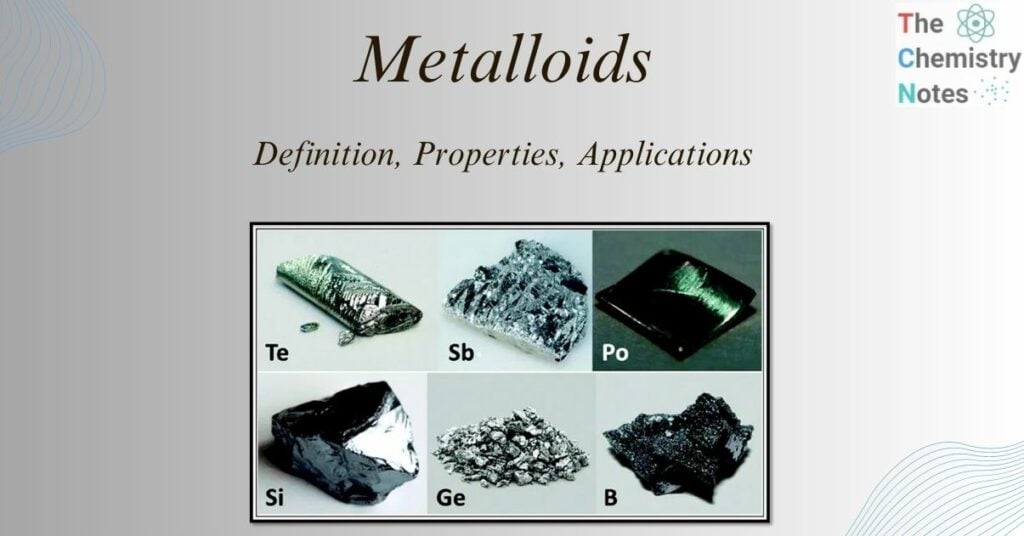
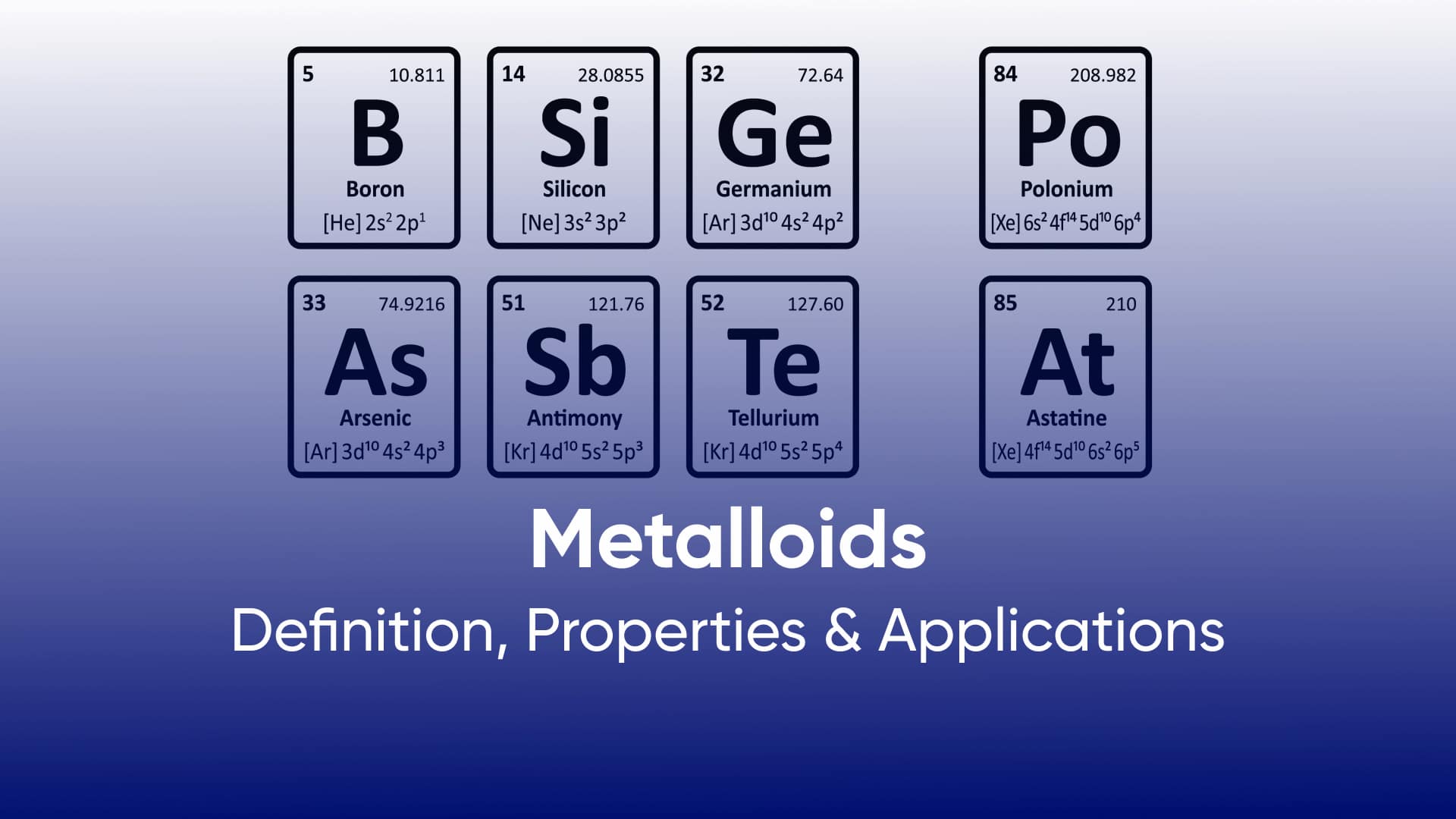
Think of the main gang: Boron, Silicon, Germanium, Arsenic, Antimony, Tellurium. Maybe even Polonium if you’re feeling spicy. These guys are the ultimate chameleons, changing their behavior depending on the situation, the temperature, or even who’s watching. (Probably kidding about that last one… mostly.)
The Big Reveal: Why Do We Even Care About Them?
Okay, so they’re a bit wishy-washy. Big deal, right? Wrong! This "wishy-washy" nature is actually their superpower. It means they can be semiconductors. And trust me, that word alone should make you perk up. Because without semiconductors, you literally wouldn't be reading this right now. Your phone? Your laptop? Your smart toaster? All screaming, "Thank you, metalloids!"
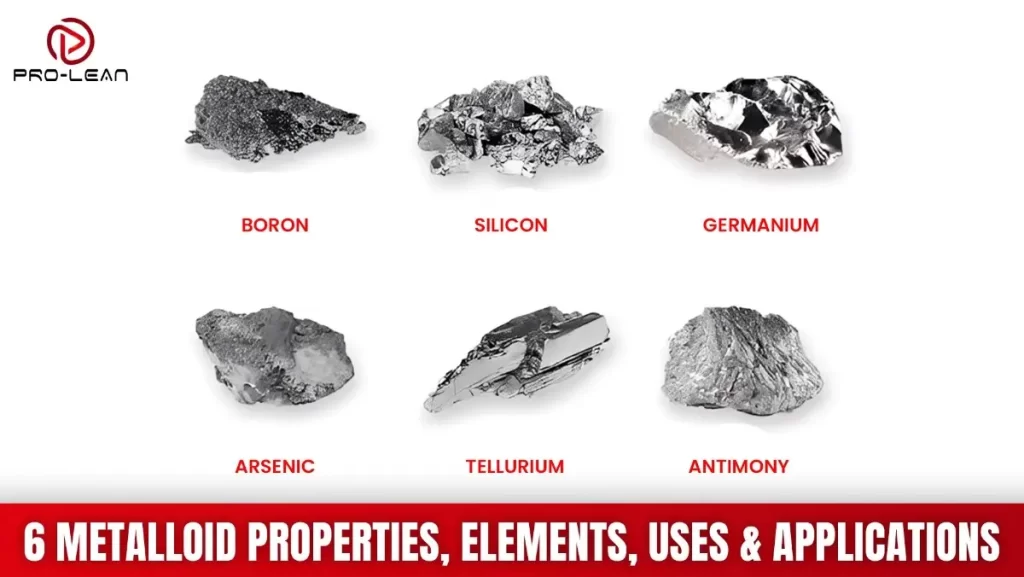
They can conduct electricity, but not too well. Not like a metal that just lets it zip through. No, metalloids are particular. They let you control the flow. It’s like having a dimmer switch for electricity, instead of just an on/off button. Pure genius, if you ask me, because precise control is everything in our tech-filled world.
Let's Get Specific: What Are They Actually Doing Out There?
Silicon: The Undisputed King of the Digital Age
Oh, Silicon. The star of the show. If you’ve ever heard of Silicon Valley, you know this guy is kind of a big deal. It’s everywhere! Microchips, computer processors, memory chips, even the tiny brains in your smartwatch. It’s what makes our digital world go round, from your smartphone to supercomputers.
And it's not just brainpower! Solar panels? Yup, mostly Silicon. It’s fantastic at converting sunlight into electricity, quietly powering homes and businesses around the globe. So, next time you’re scrolling Instagram or powering your home with sunshine, give a little nod to this sandy superstar.
Germanium: Silicon's Slightly Cooler, More Niche Cousin
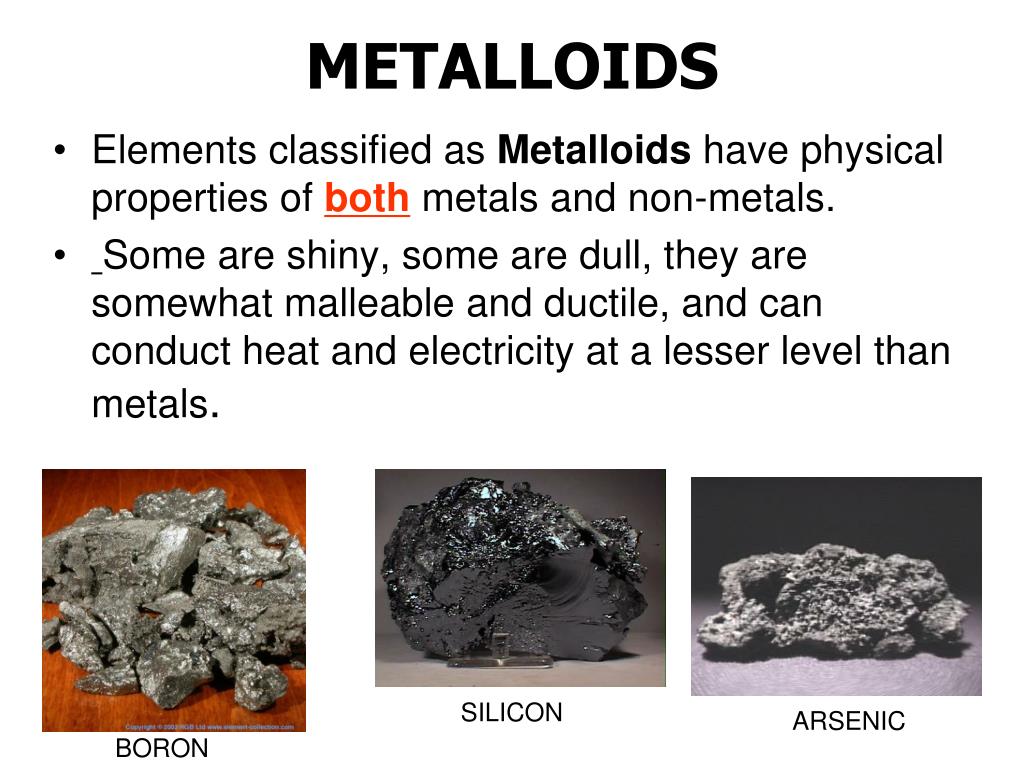
Next up, we have Germanium. It’s another fantastic semiconductor, often used in specialized electronics and high-frequency applications. Think fiber optics, night vision systems, and some really niche, super-fast chips that Silicon can't quite handle. It’s a bit more expensive than Silicon, so it often gets drafted for the high-performance tasks where precision and speed are absolutely key. Like Silicon, but maybe with a slightly more expensive haircut and a bespoke suit.
Boron: The Unsung Hero Making Life Tougher (in a Good Way!)
Then there’s Boron. This little guy might not be making your smartphone think, but it’s doing other super important things. Ever baked a lasagna in a Pyrex dish? That’s borosilicate glass, made tough by boron, so it doesn’t shatter when you take it from a hot oven to a cool counter. You're welcome, casserole enthusiasts!
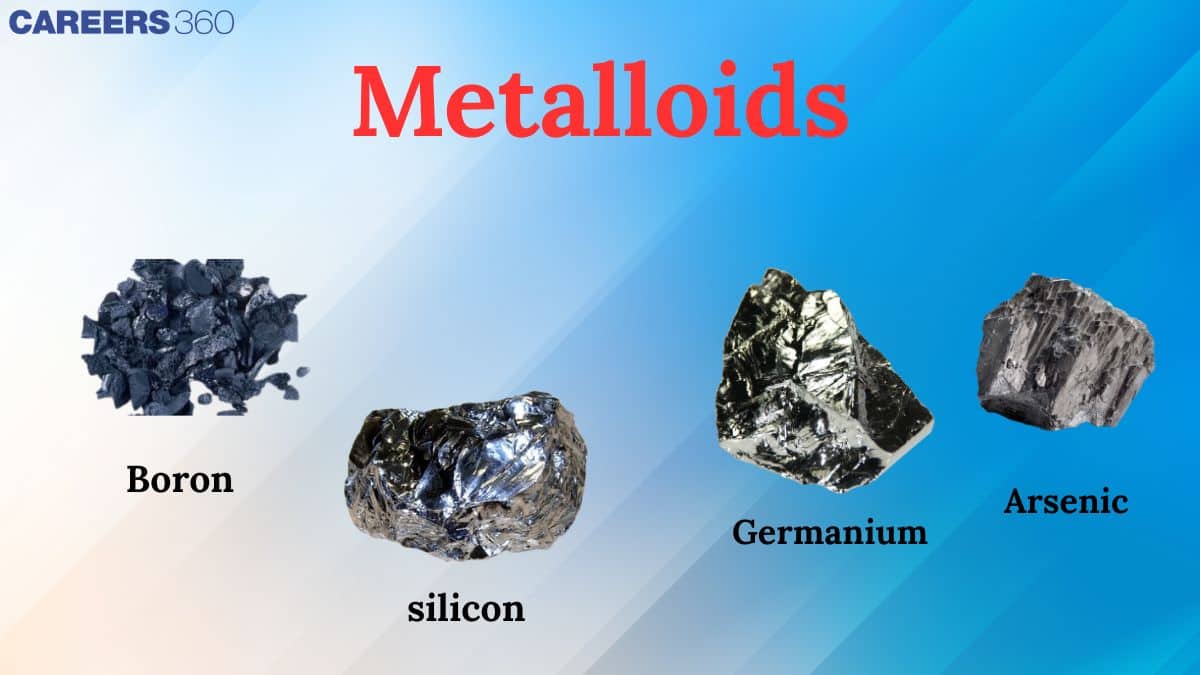
It's also in detergents, some super strong materials (like boron nitride – harder than diamonds!), and even fertilizer for plants, giving them a much-needed boost. See? Versatile, practical, and surprisingly tough!
Arsenic & Antimony: From Old Villains to Valued Players
Okay, Arsenic. Yeah, yeah, we know its reputation. But in tiny, controlled amounts, it’s not plotting world domination! It's actually a key ingredient in some semiconductors, especially in gallium arsenide (GaAs) for super-fast electronics and vibrant LEDs. It also helps make alloys stronger and more heat-resistant.
And its buddy, Antimony? Often found hanging out with lead to make car batteries stronger and more durable, helping your engine turn over reliably. It's also a fantastic flame retardant. So, the next time your couch doesn't burst into flames at the sight of a stray spark, you might have Antimony to thank. Who knew these two could be so helpful and responsible?
Tellurium: The Quiet Achiever in Energy and Materials
Finally, there's Tellurium. Not as famous as Silicon, but definitely pulling its weight. It's used in some advanced solar cells (cadmium telluride, anyone?), thermoelectric devices (which convert heat directly into electricity, or vice versa – super cool and great for cooling/heating without moving parts!), and even to improve the machinability of metals like steel and copper. It’s the kind of metalloid that just gets on with the job, quietly enhancing performance, no fanfare needed.
So, What's the Big Takeaway Here?
These quirky, in-between elements, the metalloids, are more than just a footnote in chemistry. They are absolutely fundamental to our modern world. Their ability to toggle between metallic and nonmetallic behavior isn't a weakness; it's their greatest strength. They allow us to control energy, build smart devices, make materials tougher, and even protect our homes and everything inside them.
So, next time you're swiping through apps, marveling at a solar panel, or just enjoying a durable casserole dish, remember these humble, fascinating elements. The ones who couldn't pick a side, and in doing so, became indispensable. Pretty cool, right? Cheers to the middle children!