What Is A Mail Delivery Subsystem
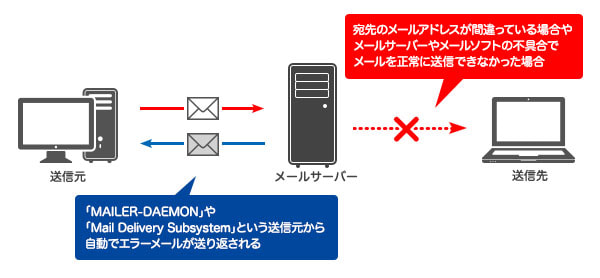
Ever sent an email and gotten a slightly cryptic, automated response back that starts with "Mail Delivery Subsystem" or something similar? It might seem like tech jargon, but understanding what a Mail Delivery Subsystem (MDS) is can actually demystify a crucial part of how the internet works. Think of it as the unsung hero (or sometimes the messenger of bad news!) of your email communication. It's not as intimidating as it sounds, and grasping the basics can be surprisingly useful in our increasingly digital world.
So, what is it? In simplest terms, a Mail Delivery Subsystem is the automated system that manages the complex journey of your email from the moment you click "send" to the moment it lands in your recipient's inbox. Its primary purpose is to ensure the reliable and efficient delivery of email messages. It acts like a postal service for your digital correspondence, handling all the behind-the-scenes logistics.
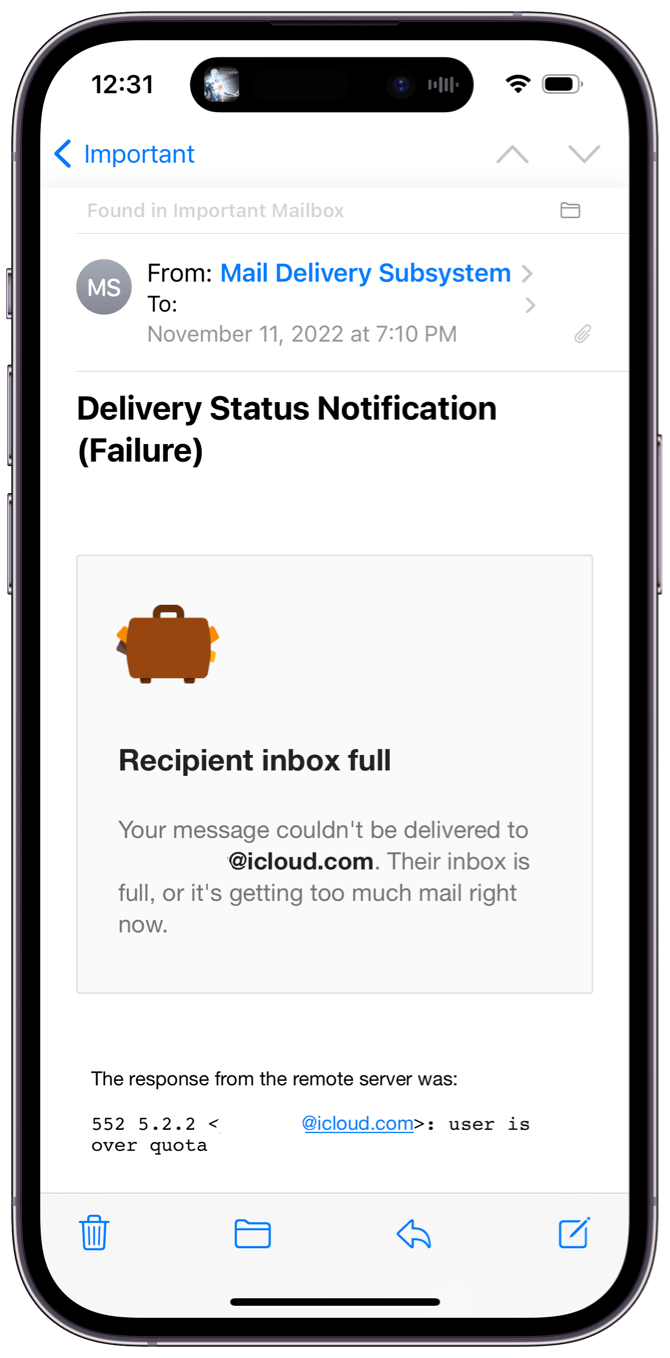
One of the core benefits of the MDS is its ability to provide feedback. If something goes wrong during delivery – for example, the recipient's email address is incorrect, their mailbox is full, or the server is temporarily unavailable – the MDS will send you a bounce-back message (the cryptic email we talked about earlier!). This is incredibly helpful because it prevents you from assuming your email was delivered successfully when it wasn't. Without the MDS, you'd be left wondering why someone didn't respond!
Must Read
The MDS plays a role in many aspects of our daily lives and even in education. Consider a professor sending out an important announcement to their students via email. If a student has accidentally typed their email address incorrectly when registering, the MDS will notify the professor, allowing them to correct the information and ensure the student receives the crucial information. Similarly, online retailers rely heavily on MDS to confirm order placements, shipping updates, and even handle password resets. If an email fails to reach you, the retailer (and you!) will want to know why.
The benefits extend beyond just delivery notifications. MDS also often incorporates features like spam filtering. By analyzing email content and sender reputation, the subsystem can identify and block unwanted messages, protecting users from potentially harmful or annoying content. This is crucial for maintaining a clean and functional inbox.
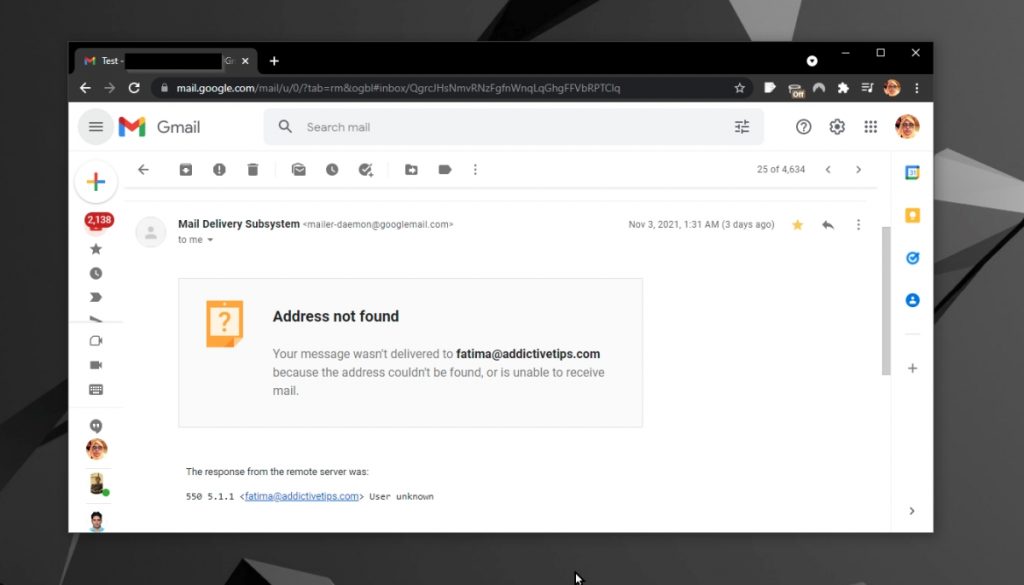
Want to explore how it works? A simple way to start is to intentionally send an email to a nonexistent email address (something like [email protected]). You should quickly receive a delivery failure notification from the MDS. Analyze the message – it usually contains details about the error, like the specific server that rejected the email. You can also examine the email headers of messages you receive. These headers, often hidden by default in your email client, contain a wealth of information about the email's journey, including details about the servers involved in the delivery process. Just search online for "[your email client] view email headers" to find instructions.
While the inner workings of a Mail Delivery Subsystem are quite complex, understanding its basic purpose and function can empower you to be a more informed and effective email user. So next time you see "Mail Delivery Subsystem" in your inbox, don't be intimidated! Remember it's just the helpful (if sometimes blunt) messenger, making sure your emails (mostly!) get where they need to go.