What Is A Level 3 Ev Charger
Alright, settle in, grab another imaginary flat white. Today, we're tackling one of the great mysteries of the modern age, right up there with "where do all my socks go?" and "why is it always my turn to take out the bins?" We're diving into the glorious, lightning-fast world of the Level 3 EV charger.
Now, if you own an electric car, you've probably experienced the home charging dance. It's like a slow, romantic waltz with your garage outlet. You plug it in, you go to bed, you wake up, and hey presto, you've added... some miles. Maybe enough to get to the grocery store, maybe enough to feel like you didn't just plug in a very expensive night light. That, my friends, is likely your Level 1 charger. Bless its heart, it tries.
Then there's the Level 2 charger. This is your home run-hitter, your reliable workhorse. You install a fancy 240-volt outlet (the kind your dryer uses, if your dryer is feeling particularly zippy), and suddenly, you're getting a significant chunk of charge in a few hours. It’s like switching from a drip coffee maker to an espresso machine. Much better, but still, if you’re on a road trip, you’d be better off knitting a new sweater than waiting for a full charge.
Must Read
Enter the Superhero: Level 3 EV Charger!
Imagine, if you will, that your car is a parched camel in the middle of a desert. A Level 1 charger is a leaky eyedropper. A Level 2 is a nice, steady garden hose. But a Level 3? Oh, my sweet summer child, a Level 3 is a firehose of pure, unadulterated electron juice, blasting into your battery like it’s late for a very important date! We’re talking about charging times that can take you from "uh-oh, I'm stuck" to "let's go cross the country!" in the time it takes to grab a decent burrito and maybe scroll through TikTok for a bit.
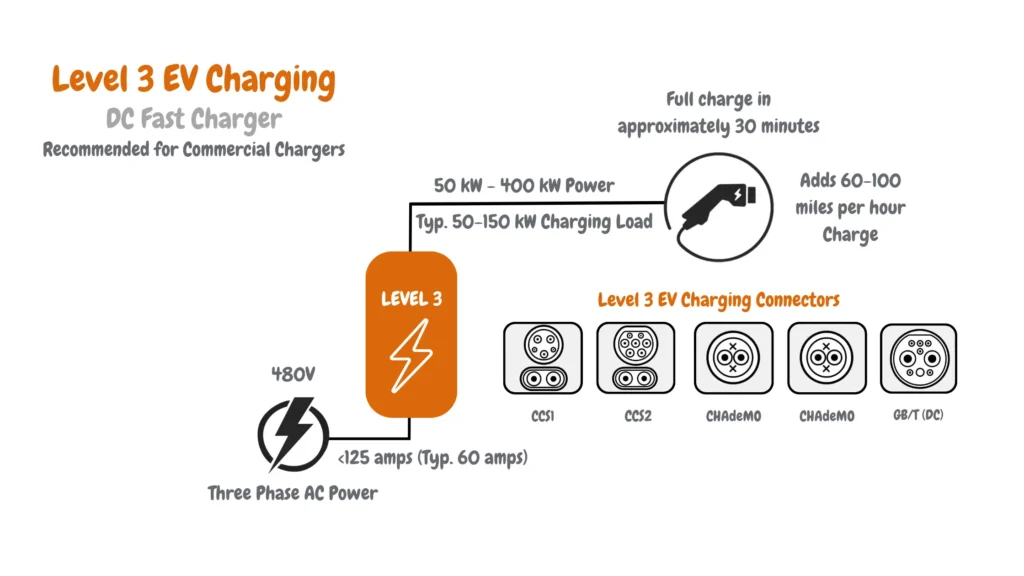
Seriously, these things are often called DC Fast Chargers, or just Fast Chargers, and for good reason. They are the drag racers of the EV charging world. While Level 1 and 2 chargers use alternating current (AC) which your car then has to convert, a Level 3 charger goes straight for the jugular with direct current (DC). It completely bypasses your car’s onboard charger – the little internal brain that usually handles the AC-to-DC conversion. This is like having a direct IV drip for your car’s battery, no internal faffing about. It’s big power, big speed.

How big, you ask? Well, while a Level 2 might be giving you 7-10 kilowatts (kW), a Level 3 charger can kick out anywhere from 50 kW to a mind-boggling 350 kW or even more! To put that in perspective, 350 kW could power about 350 average toasters simultaneously. So yeah, it's a bit more than your phone charger. You could practically hear the electrons cheering as they flood into your battery.
Where Do These Marvels Live?
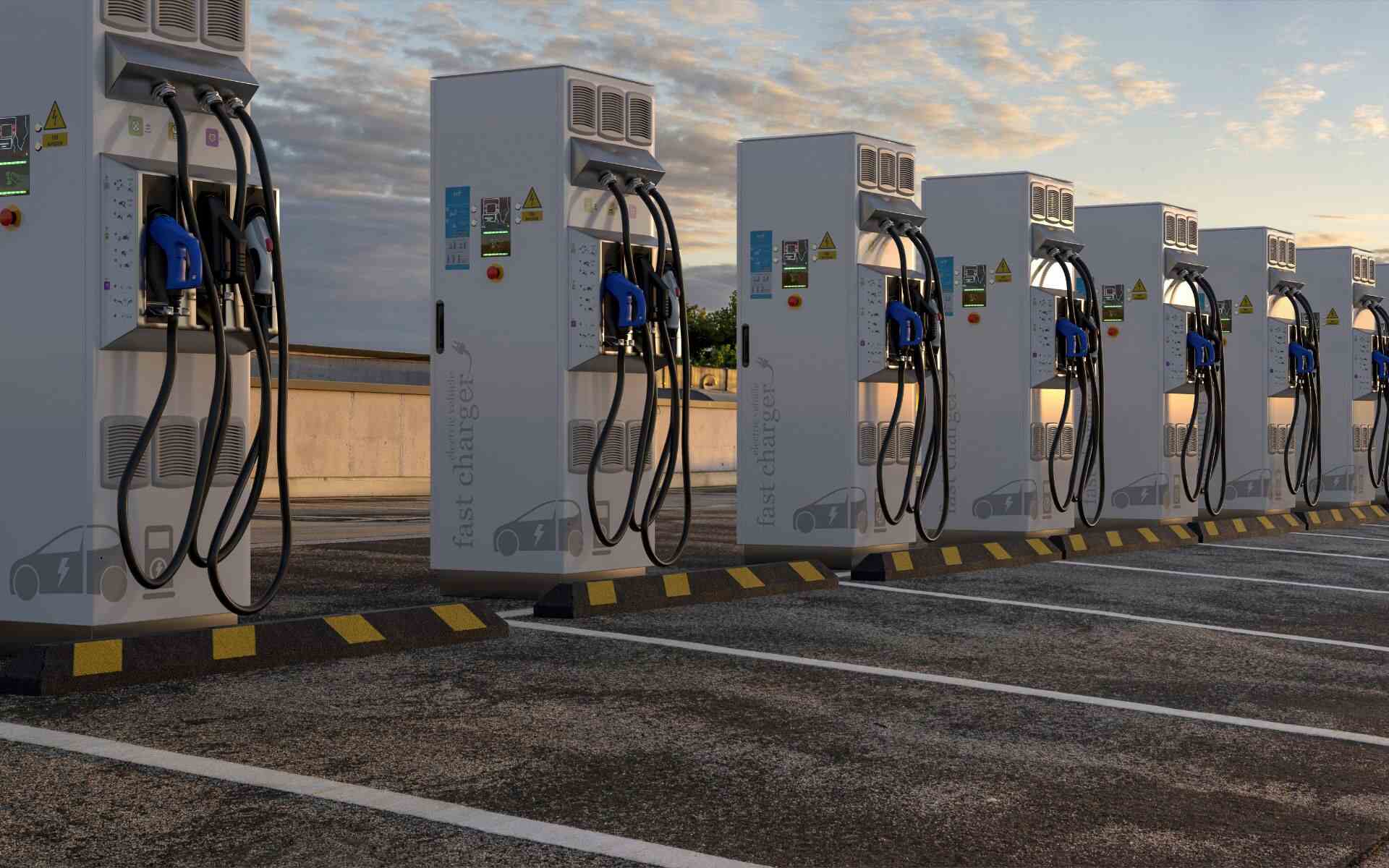
You won't find a Level 3 charger in your garage unless you also happen to have a small power plant in your backyard and an oil baron's budget. These behemoths are meant for public spaces, specifically those where you need to get moving again quickly. Think highway rest stops, major travel corridors, busy urban hubs, and sometimes even at those swanky new gas stations that are slowly pivoting to an electric future. They’re the pit stops of the EV world, designed for quick top-ups on long journeys or when you’re just desperately low and need to get home.

It’s truly transformative. Remember the days of range anxiety? The little voice in your head whispering, "What if I get stranded?" With Level 3, that voice gets a lot quieter. Suddenly, that 300-mile road trip doesn't feel like an expedition to the moon. It feels like a quick coffee break and then you're back on the road, probably a bit caffeine-fueled, but definitely fully charged.
The Not-So-Secret Handshake: Plugs!
Now, here's a fun fact that can sometimes feel like a cruel joke: not all Level 3 chargers speak the same language. Your car will typically have one of a few different "ports" for these super-fast charges. There's CCS (Combined Charging System), which is common in North America and Europe. Then there's CHAdeMO, often found on Japanese cars like the Nissan Leaf (and yes, it sounds like something a superhero would shout). And, of course, Tesla has its own proprietary connector, which they are now opening up to what they call NACS (North American Charging Standard). It’s like a delightful alphabet soup of plugs! Always double-check what your car needs before you pull up to a charger like a hopeful puppy.

Is There a Catch?
Well, sort of. While incredibly convenient, Level 3 charging isn't necessarily meant for your everyday routine. It’s like eating fast food: great for a quick fix, but maybe not the healthiest diet long-term. Some people worry about battery degradation from frequent fast charging, but modern EV battery management systems are incredibly smart. They regulate the charging process to protect the battery, especially as it gets fuller. So, while it's probably best to stick to Level 2 for your daily charging at home, using Level 3 on road trips is perfectly fine and won't suddenly turn your battery into a pumpkin.
Also, because these chargers are basically miniature power stations, they’re expensive to install. That's why you usually find them in strategic, high-traffic locations, and often, the cost per kilowatt-hour (kWh) to charge will be higher than at home. Think of it as paying a premium for speed and convenience – just like choosing the express lane at the grocery store. Except instead of saving five minutes, you’re saving hours!
So, the next time you see one of those big, chunky charging stations with thick cables, know that you're looking at a Level 3 EV charger. It's not just a charger; it's a promise of freedom, a ticket to adventure, and a giant middle finger to range anxiety. Now, about that imaginary flat white... I think I need another one.