
What Is A Heat Sink Computer

Ever peeked inside your computer and wondered about that big, often spiky, chunk of metal chilling on top of the brainy bits? No? Well, get ready, because we're about to dive into the surprisingly fun world of the heat sink! It’s a silent, often unseen, but absolutely critical component that keeps your digital life from literally melting down.
Think of it this way: your computer's main components, like the Central Processing Unit (CPU) and the Graphics Processing Unit (GPU), are like tiny, super-energetic race cars. They run incredibly fast, doing millions of calculations per second. And what happens when you make something work really hard? It gets hot. Really, really hot. We're talking temperatures that can rival a hot oven!
What's the Big Deal About Heat?
Computers are delicate creatures, even though they house immense power. Too much heat is their arch-nemesis. It can lead to all sorts of nasty stuff: slowdowns (ever notice your computer lagging when it's been on for hours?), system crashes, or, in extreme cases, permanent damage to those expensive parts. Nobody wants a fried CPU, trust me. That’s a digital heartbreak nobody should endure.
Must Read
It’s like trying to run a marathon in a sauna. Your body, just like your computer, needs to cool down to perform optimally. Without a proper cooling system, your PC would throttle itself into oblivion or just give up entirely, becoming a very expensive paperweight.
Enter the Mighty Heat Sink!
So, what’s the hero of our story? The heat sink! In its simplest form, it's just a chunk of metal designed to absorb and dissipate heat away from a hot component. Imagine it as a tiny, metallic sponge for heat. It sucks up the warmth and then tries its best to get rid of it into the surrounding air. Simple, right? But oh-so-effective!
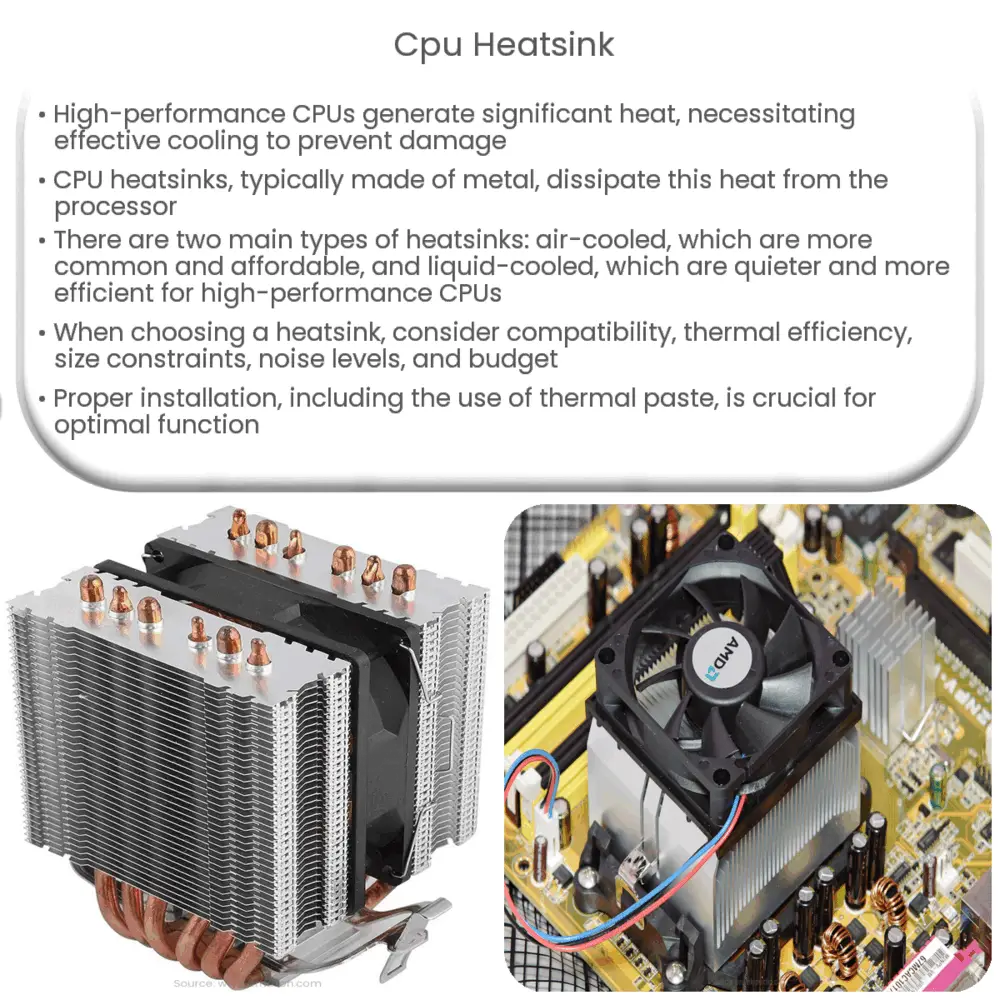
It’s truly a testament to clever engineering. No fancy moving parts (initially, anyway!), just pure physics at work. It sits there, stoically performing its duty, day in and day out, ensuring your gaming sessions aren't interrupted by a thermal shutdown. A true unsung hero!
The Fin-tastic Science
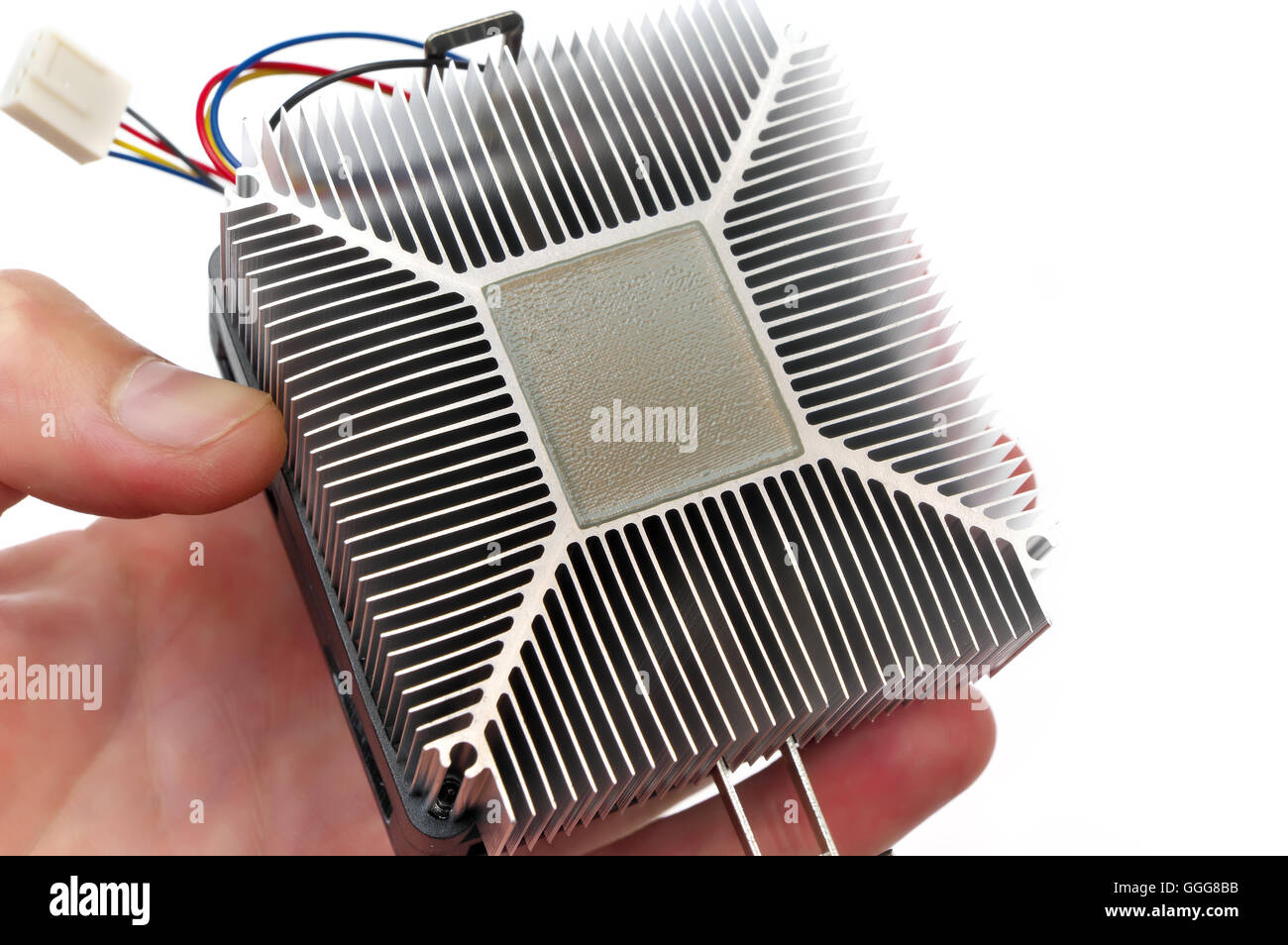
Why do heat sinks often look so spiky, like a metallic porcupine? Those aren't just for show! They’re called fins, and they’re the secret sauce. The more surface area a heat sink has, the more air it can interact with, and thus, the more heat it can shed. It's like having a hundred tiny hands reaching out to grab the heat and toss it away.
Most common heat sinks are made of aluminum because it's lightweight and a good conductor of heat. But if you're a serious PC enthusiast, you might splurge on copper heat sinks, which are heavier but even better at conducting heat. Sometimes, they combine both, with copper pipes running through aluminum fins for optimal performance. It's like giving your cooling system a performance upgrade!
Where Do These Cool Dudes Hang Out?
You’ll primarily find heat sinks perched atop your CPU (the brain) and your GPU (the graphics powerhouse). These are the parts that do the most heavy lifting and, consequently, generate the most heat. Some high-end motherboards even have smaller heat sinks on other components, like the chipset or super-fast NVMe SSDs, because even they can get a little toasty.
There are two main types: passive and active. A passive heat sink is just the metal fins, relying on natural airflow to do its job. An active heat sink adds a fan, actively blowing air over those fins to accelerate the heat dissipation. Most modern computers use active solutions for crucial components because, let's face it, they generate a lot of heat.

The Secret Sauce: Thermal Paste
Here’s a quirky detail that’s super important: thermal paste! This isn't just glue. It's a special, thermally conductive compound applied between the hot component (like your CPU) and the heat sink. Why? Because even the smoothest metal surfaces have microscopic imperfections. These tiny air pockets are actually insulators, trapping heat where it shouldn't be.
Thermal paste fills these minuscule gaps, ensuring maximum contact between the component and the heat sink. It acts as a bridge, making heat transfer incredibly efficient. Applying it correctly is a rite of passage for many PC builders – too much, too little, or a messy application can actually hinder cooling. It’s like the secret spice in a dish; get it right, and everything sings!
More Than Just Metal
Beyond pure function, heat sinks have also become an aesthetic statement. High-end coolers can be absolute works of art, featuring intricate designs, polished metals, and even built-in RGB lighting to match your gaming rig's vibe. They're not just about utility; they're about pride in your machine's performance and appearance.
And for the truly extreme, there's a whole world of liquid cooling systems, some even involving literal chillers or liquid nitrogen for mind-bogglingly low temperatures. It's a testament to how far we push our technology and the creative ways we find to keep it from overheating. The humble heat sink is the fundamental building block of all this cooling wizardry.
Why This Is Actually Fun
So, why is a metal block fun to talk about? Because it’s a brilliant example of simple engineering solving a complex problem. It's the silent guardian of your digital adventures, from epic gaming quests to movie marathons to crucial work projects. Without it, your powerful machine would be nothing more than a glorified doorstop.
The next time you hear your computer fan whirring or just feel your laptop's warm underside, spare a thought for the heat sink. It’s working tirelessly, flexing its metallic muscles to keep everything cool, calm, and collected. It’s a vital piece of the puzzle that lets us push the boundaries of technology, one cool chip at a time. Pretty cool, right?