What Is A Heat Pump For A House
Ever found yourself bundling up indoors in winter or melting on the couch in summer, and wished there was a magical, super-efficient way to keep your home just right, year-round? Well, hold onto your hats, because there's a not-so-secret gadget making waves in home comfort, and it's far from magical – it's brilliant engineering! We're talking about the heat pump, and learning about it is like unlocking a cheat code for a cozier, more eco-friendly, and frankly, more affordable home.
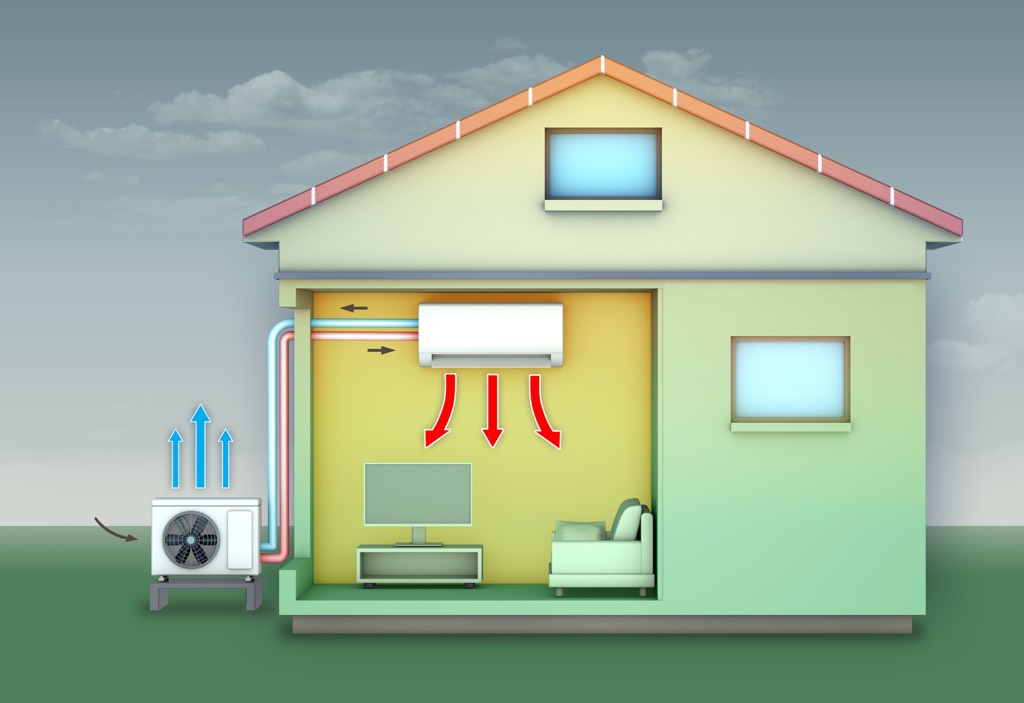
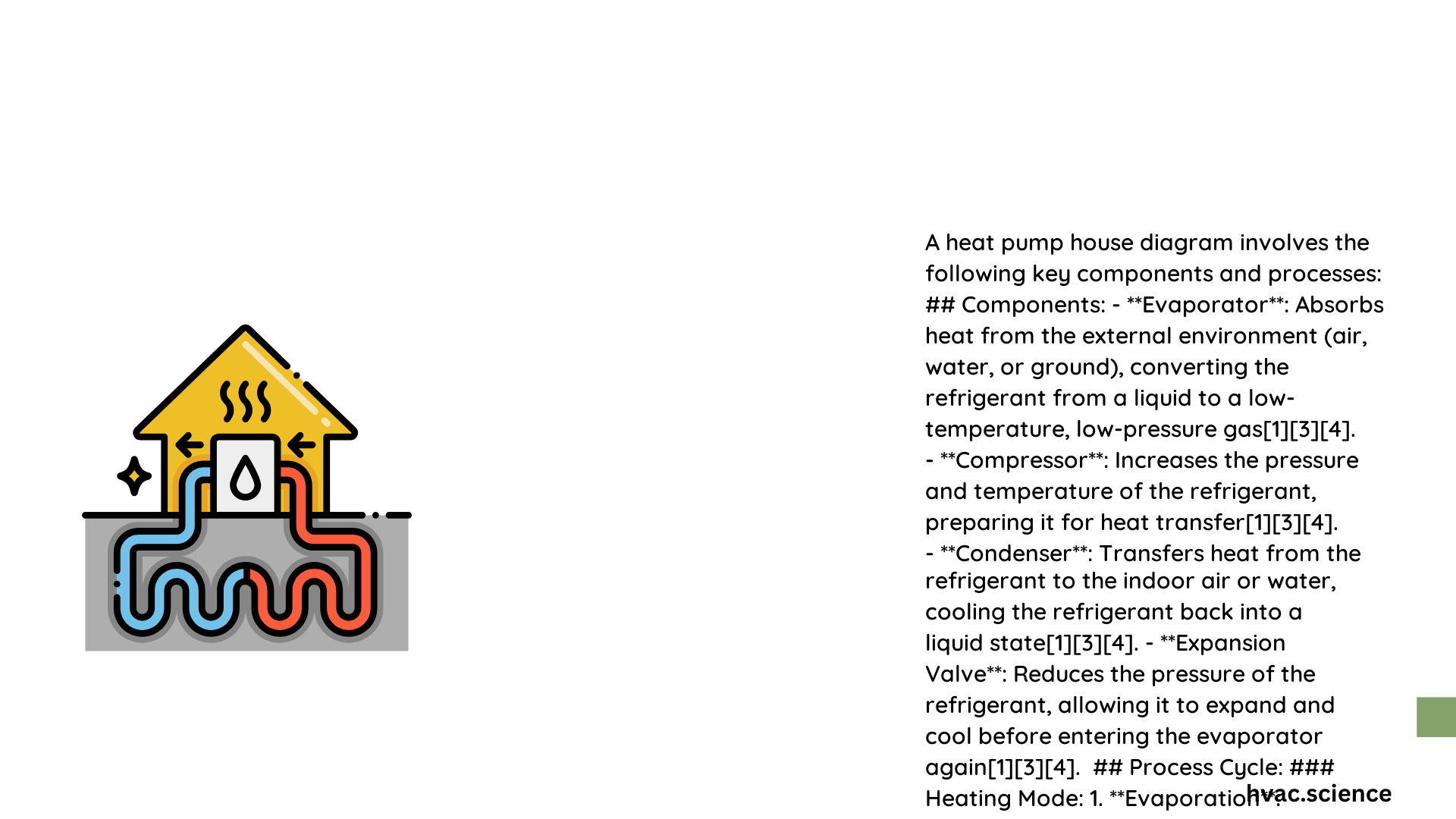
So, what exactly is a heat pump for a house? At its core, a heat pump is a device that moves heat from one place to another, rather than generating it by burning fuel. Think of it like a really efficient heat ferry. In the winter, it pulls warmth from the chilly outdoor air (yes, even cold air has heat!) and transfers it inside your home. Come summer, it simply reverses the process, pulling heat from inside your house and expelling it outdoors, leaving you with glorious air conditioning. It's essentially your air conditioner running in reverse for heating, and then just running normally for cooling. Pretty neat, right?
The biggest benefits are truly compelling. First, there's efficiency. Because heat pumps only move heat, they use significantly less energy than traditional furnaces that burn fossil fuels, or even electric resistance heaters. This translates directly into lower energy bills. Secondly, they offer incredible comfort and versatility. You get both heating and cooling from a single system, ensuring your home is perfectly temperate whatever the season throws at you. And let's not forget the environmental perks: by using less energy and often running on electricity (which can be sourced from renewables), heat pumps dramatically reduce your carbon footprint.
Must Read
You might be interacting with heat pump technology more than you realize! That window air conditioner cooling your room? It's a basic form of a heat pump. Your refrigerator? That's a heat pump too, moving heat out of its insulated compartment. In homes, you’ll most commonly see central ducted systems or ductless mini-splits – those sleek units mounted on walls that heat or cool individual rooms. For educators, a heat pump is a fantastic real-world example of thermodynamics and the refrigeration cycle in action, sparking curiosity about energy transfer and phase changes.
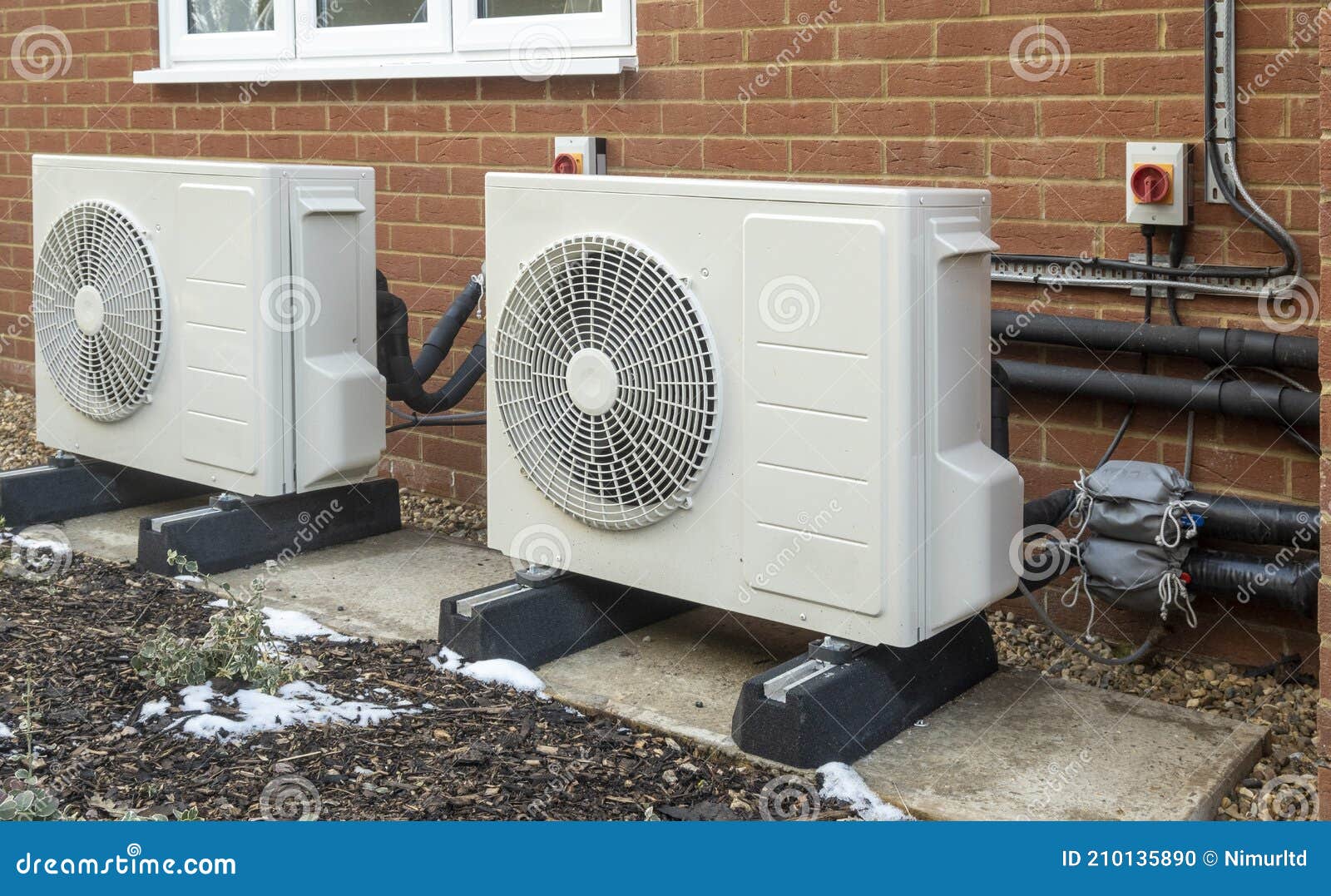
Curious to explore further? It's easier than you think! A simple step is to just look at your current HVAC system. Is there an outdoor unit that resembles an AC condenser? It might be part of a heat pump system already! You can also check your energy bills – many utilities highlight energy-saving opportunities, including heat pump incentives. Chat with neighbors who’ve made the switch; their firsthand experiences can be incredibly insightful. Or, simply do a quick online search for "heat pump rebates [your city/state]" – you might be surprised by the government incentives available to help make this energy-efficient upgrade more affordable. Understanding how heat pumps work is a wonderful step towards a more comfortable, sustainable, and smarter home.