What Is A Good Temp For Heat

Ever found yourself fiddling with the thermostat, wondering if you’ve hit the sweet spot between cozy comfort and a colossal utility bill? You're not alone! The question of "What is a good temp for heat?" might seem simple, but it actually opens up a fascinating conversation about our bodies, our homes, and even our planet. It’s more than just a number on a dial; it’s about understanding how we perceive warmth, optimize our living spaces, and even save a little money and energy along the way. Learning about this isn't just practical, it’s a peek into the science of comfort and efficiency!
At its heart, the purpose of finding a "good temp for heat" is about achieving thermal comfort – that wonderful feeling where you're neither too hot nor too cold. When your home is heated to an optimal temperature, you’re not just more comfortable; you're often healthier. Maintaining a consistent, moderate warmth can help prevent drafts and chills that might stress the body, especially for children or the elderly. Beyond personal well-being, getting this temperature right is a big win for your wallet. Heating is often the largest energy consumer in a home, so finding that efficient sweet spot means significant savings on your monthly bills. Plus, using less energy contributes to a smaller carbon footprint, which is a benefit for everyone!
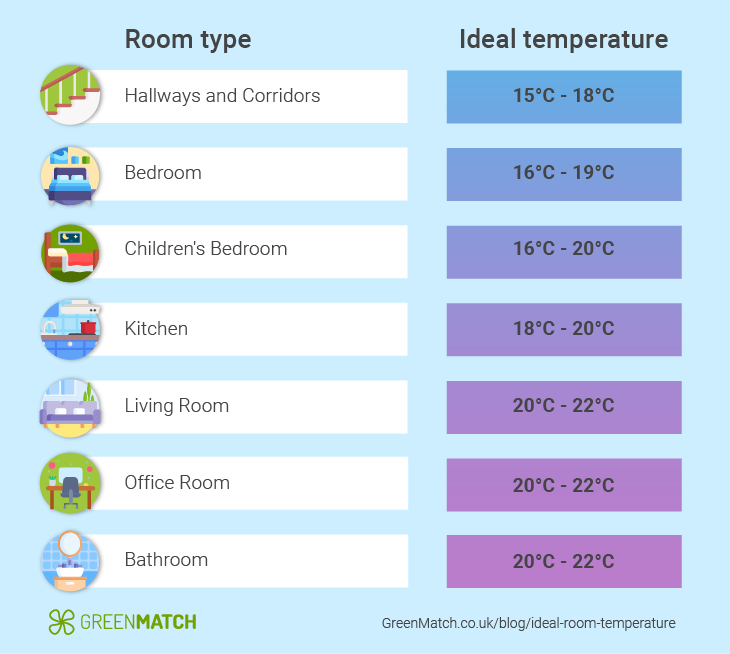
So, how does this play out in our daily lives or even in an educational context? Think about setting your home thermostat in winter. Many energy experts and health organizations recommend aiming for around 68-72°F (20-22°C) during the day when you're active and awake. At night, or when you're away, dropping it a few degrees, say to 60-65°F (15-18°C), can save a surprising amount of energy without sacrificing comfort if you're snuggled under blankets. In schools, educators often adjust classroom temperatures to enhance focus and reduce fatigue, recognizing that an overly warm or chilly room can hinder learning. Smart thermostats are a great example of this in action; they learn your habits and adjust temperatures automatically, showing us how technology helps us find our personal "good temp for heat" without constant manual effort.
Must Read
Ready to explore your own heating sweet spot? Here are a few practical tips! Firstly, experiment with your thermostat. Try setting it to 70°F for a day, then 69°F, and see if you truly notice a difference in comfort. You might be surprised how little a single degree matters to your body but how much it matters to your heating system. Secondly, consider zoning. If you have rooms you rarely use, close vents and doors to those areas to avoid heating them unnecessarily. Thirdly, don’t underestimate the power of layering clothes; sometimes, a cozy sweater is a more efficient solution than cranking up the heat. Finally, invest in a good quality thermometer to ensure your thermostat is actually accurate. By taking these small steps, you can become a true maestro of your home's warmth, enjoying perfect comfort while being kind to your budget and the planet!