What Is A Fossil Fuel Example

Have you ever stopped to marvel at the sheer convenience of modern life? From the moment your alarm clock buzzes (powered by electricity, no doubt!) to the warmth of your morning coffee, the comfort of your commute, or the instant communication across continents, an unseen force is at play. We’re talking about energy, the invisible backbone of our daily routines, making everything smoother, faster, and simply more enjoyable. Without it, many of the delights and necessities we cherish would grind to a halt. It’s the magic behind the mundane, the power that fuels our progress and connects our world.
At the heart of much of this incredible convenience are what we call fossil fuels. But what exactly are they, and what purpose do they serve? Imagine ancient sunlight, captured millions of years ago by plants and tiny organisms. When these life forms died and were buried under layers of earth and rock, immense heat and pressure transformed their organic matter over geological timescales. The result? Highly concentrated energy sources that we now extract from the earth. Their primary benefit is providing a huge amount of energy from a relatively small volume, which has profoundly shaped human civilization, powering the Industrial Revolution and enabling the global economy we know today. They quite literally keep the lights on, our homes warm, and our industries humming.
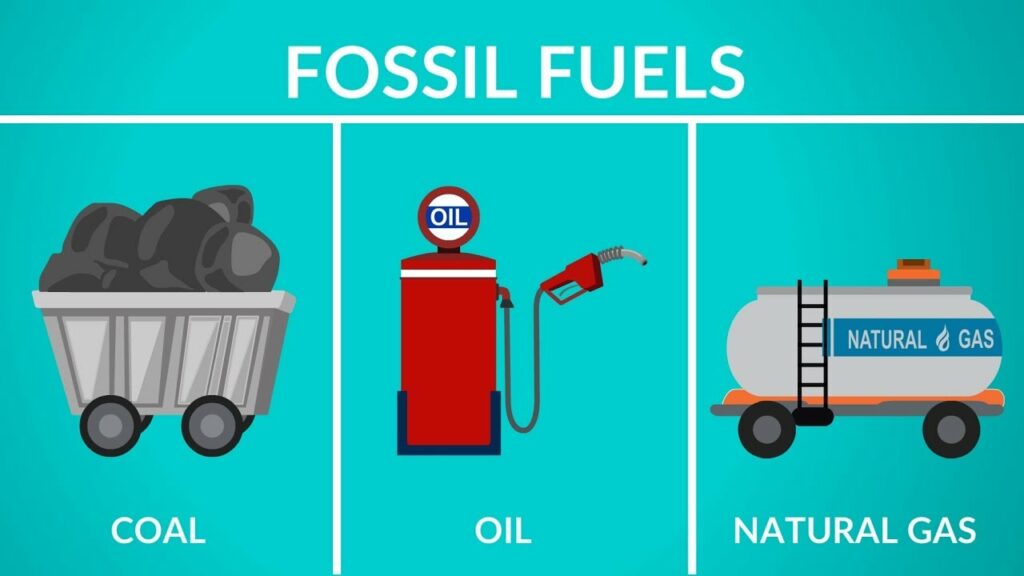
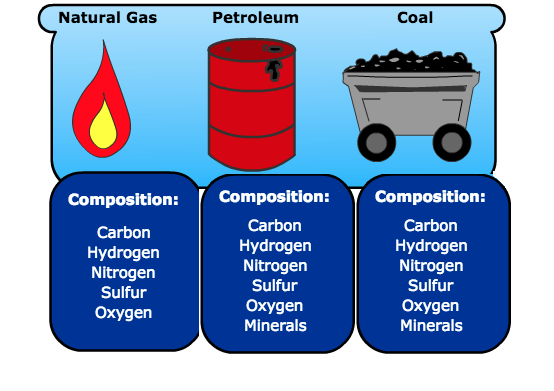
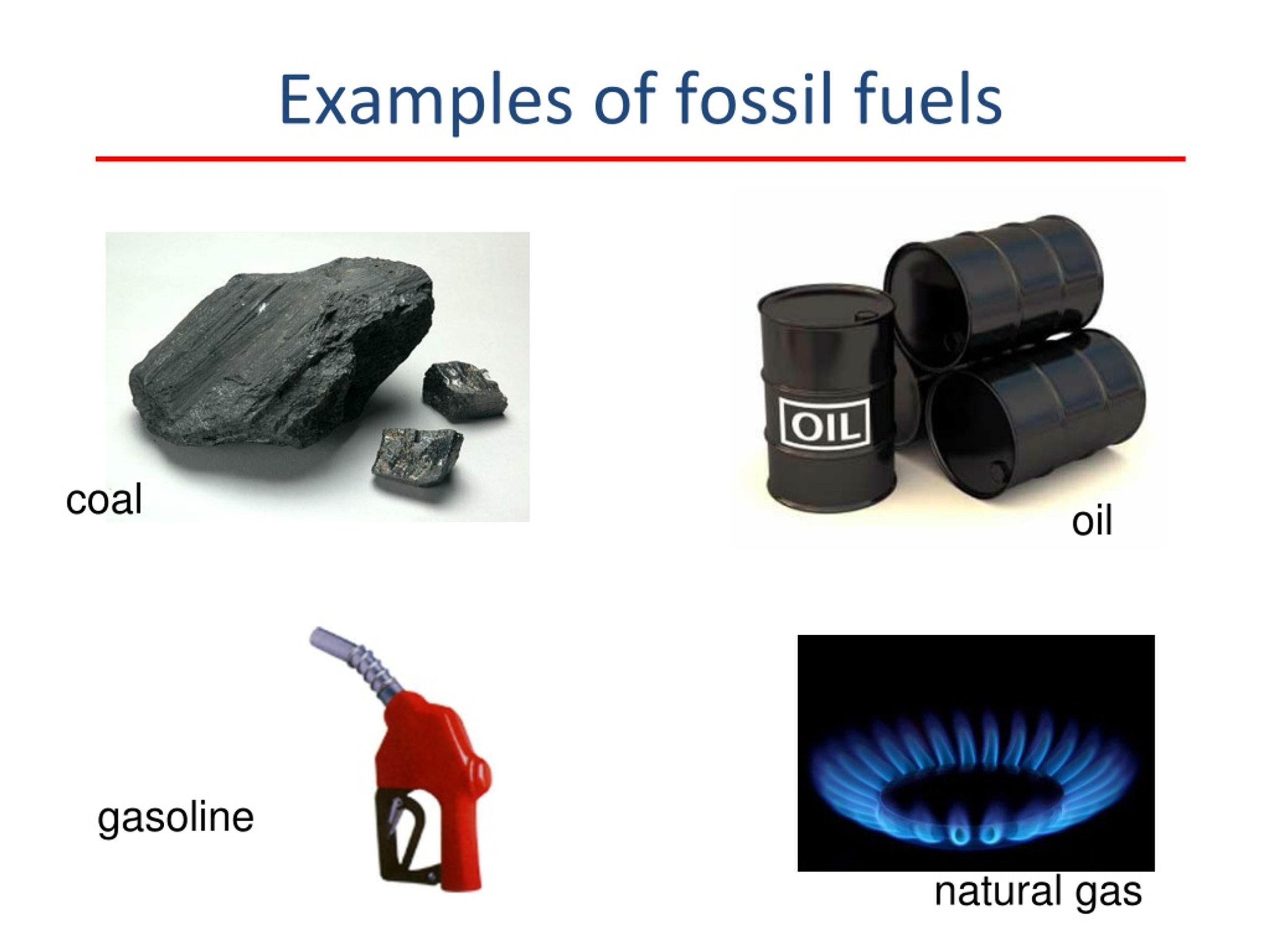
So, let's dive into some common examples of these geological treasures. When you fill up your car, you're interacting with a prime example: petroleum, or crude oil. Refined into gasoline, diesel, and jet fuel, it's what makes our cars go, our planes fly, and our ships sail. But oil isn't just for transport; it's also a fundamental ingredient in countless products, from plastics and pharmaceuticals to asphalt for roads and lubricants that keep machinery running smoothly. Another powerful player is natural gas. It’s what many of us use to heat our homes, cook our meals, and generate electricity. Less obvious but equally vital is coal, historically a major source of electricity generation and still crucial in many parts of the world, especially for industrial processes like steelmaking. These three – oil, natural gas, and coal – are the most prominent examples of fossil fuels, each playing a distinct yet interconnected role in our energy landscape.
Must Read
Understanding where our energy comes from can actually help us enjoy its benefits more effectively and responsibly. While fossil fuels have undeniably powered immense progress, their extraction and combustion also come with environmental considerations. So, how can we appreciate this energy better? Firstly, become a mindful consumer. Turn off lights when you leave a room, carpool or use public transport when possible, insulate your home, and choose energy-efficient appliances. Secondly, celebrate innovation! Appreciate the incredible ingenuity that transformed ancient organic matter into usable power, but also recognize the ongoing shift towards renewable alternatives like solar and wind. By being conscious of our energy usage and supporting cleaner technologies, we can continue to enjoy the immense advantages that reliable energy provides, while also working towards a more sustainable future for everyone.