
What Is A Dxf File Used For

Okay, picture this: You’ve just spent hours crafting the most epic, mind-blowing design for a custom bookshelf. We’re talking intricate angles, perfectly spaced shelves for your growing Funko Pop collection, maybe even a secret compartment for your snacks. You’re beaming with pride.
Now, you need to send this masterpiece to your local carpenter, the wizard who can turn your pixels into actual wood. You excitedly hit 'export' from your fancy-pants CAD software, attach the file, and send it off. A few minutes later, your phone buzzes. It’s the carpenter. 'Uh, buddy,' the text reads, 'what exactly is this .superfancydesignfile extension? My antique software just spit it out like a bad potato.'
Sound familiar? We’ve all been there – trying to share something digital only to hit a wall of incompatible software. It’s like trying to tell a complex story to someone who only understands emoji. Frustrating, right?
Must Read
This, my friends, is precisely where our unassuming hero, the DXF file, steps into the spotlight.
So, what is this mysterious file format? DXF stands for Drawing eXchange Format. Catchy, I know. It’s not exactly the latest TikTok trend, but trust me, it’s a classic. Think of it as the Esperanto of the CAD world, a universal translator designed to let different computer-aided design programs talk to each other without having a full-blown argument.
It was cooked up by the folks at Autodesk way back in 1982 for their star product, AutoCAD. Their brilliant idea? To create a file format that could be opened and edited by pretty much any CAD program, not just their own. In an era where software was often a walled garden, this was a surprisingly open-minded move.
Why does this matter to you, the aspiring bookshelf designer or just a curious human? Because it’s all about interoperability. Imagine having a conversation with someone who speaks a different dialect. You can get by, but it’s a lot smoother if you both switch to a common language, right? DXF is that common language for drawings.
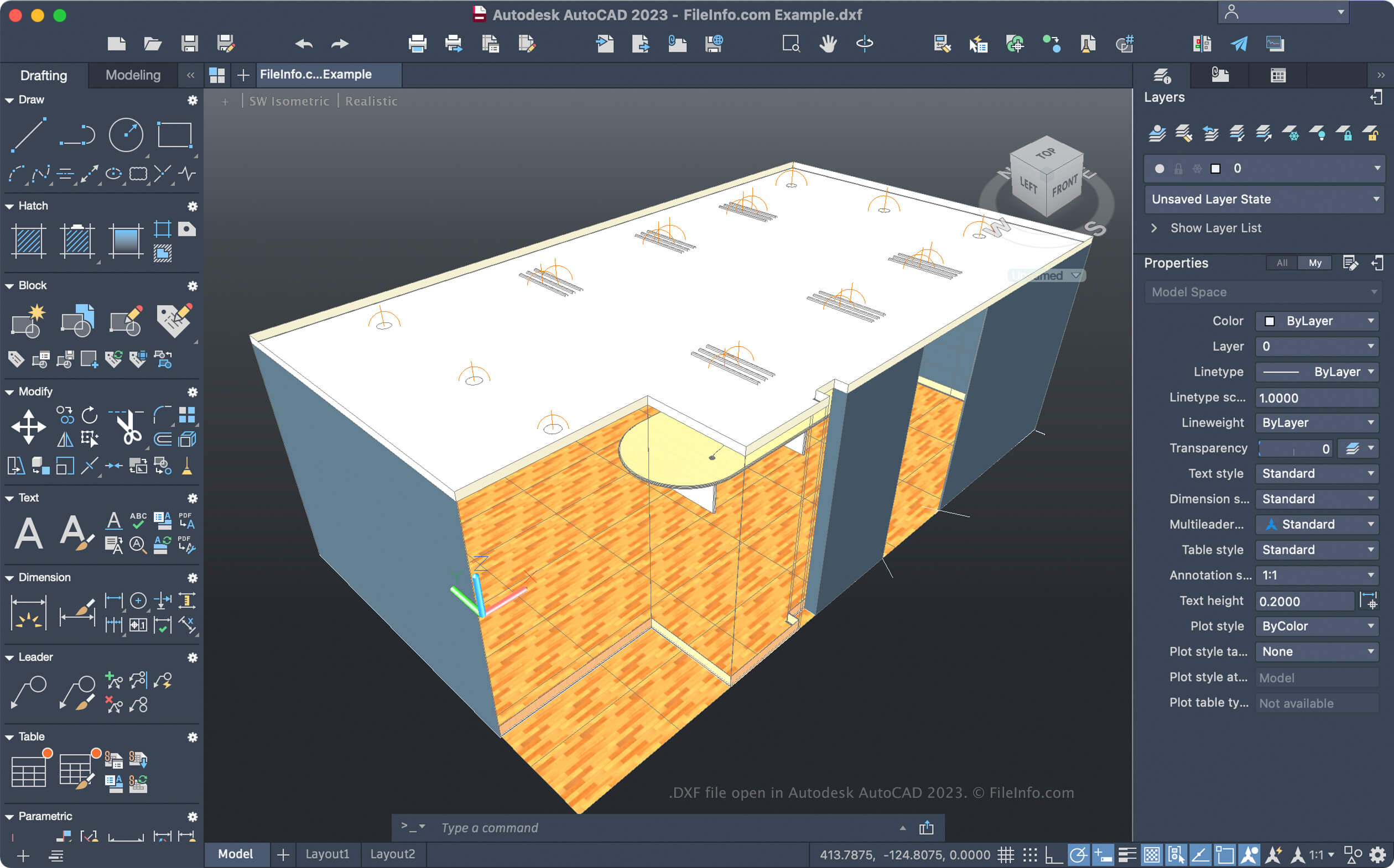
So, where do these unsung heroes truly shine? Let's dive in:
The Universal Blueprint
First and foremost, a DXF file is fantastic for sharing 2D drawing data. When your carpenter, or maybe a laser cutting service, needs to know exactly where to cut lines, drill holes, or route edges, a DXF is often their preferred format. It strips away all the fancy proprietary stuff and just gives them the raw, geometric data – the lines, arcs, circles, and text. It's like giving someone a precise, annotated blueprint rather than handing them the entire factory.
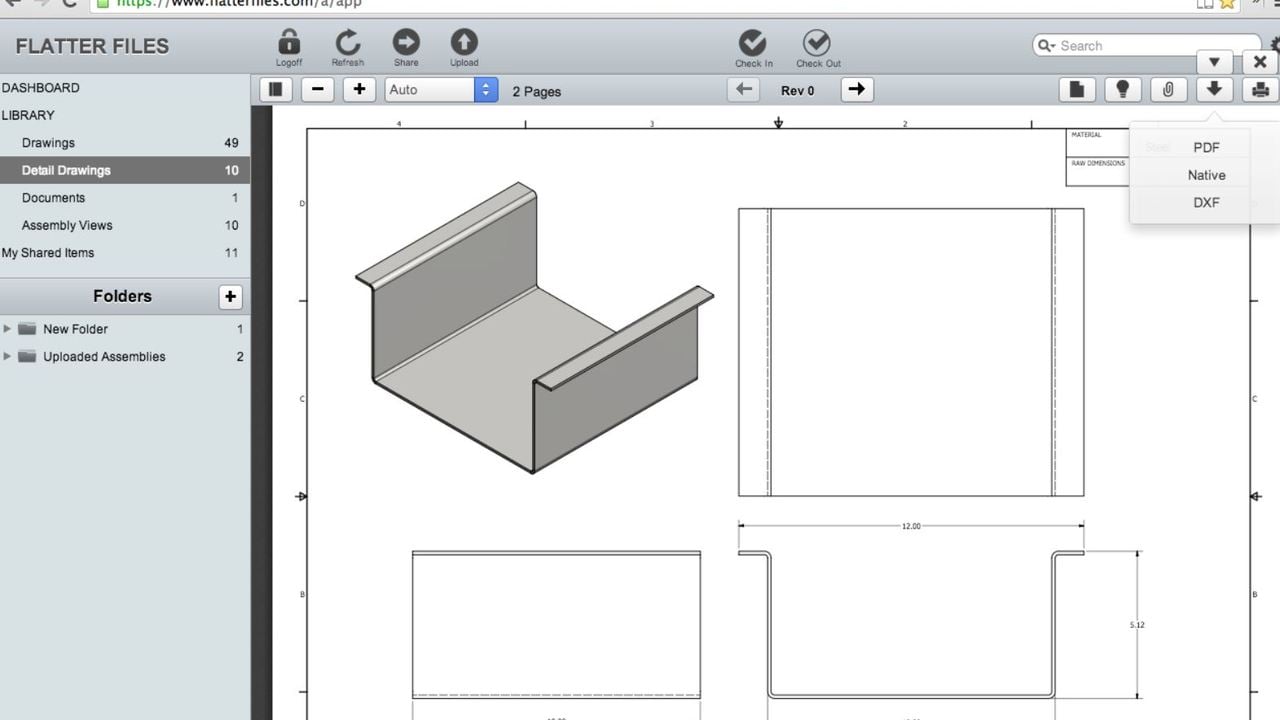
Sending Designs to Fabricators
This is probably its most common modern use. Got a design for a custom metal bracket, a wooden sign, or even a PCB? Most CNC machines, laser cutters, plasma cutters, and waterjet cutters absolutely love DXF files. They can take that geometric data directly and translate it into machine tool paths. No more guessing, no more misinterpretations – just precise instructions for the robots. Pretty neat, huh?
Software Hopping
Ever found yourself designing something in one program, only to realize you need to finish it or analyze it in another? DXF can be your bridge. While it might not carry over every single feature (like parametric history or complex material properties – that’s where more advanced formats like STEP or IGES come in), it’s excellent for transferring the core geometric shapes. So, if you mocked up a layout in a simple drawing tool and now need to import it into a more robust CAD system for detailing, DXF has your back.

Archiving and Longevity
Proprietary file formats can sometimes become obsolete as software evolves. But DXF, being such a widely adopted and relatively open standard, is a safer bet for archiving your important drawings. It's less likely to become unreadable in 10 or 20 years because so many different programs understand it. Future-proofing, anyone?
Collaboration Without the Headache
Think about a team working on a big project. Designer A uses Fusion 360, Designer B uses SolidWorks, and Designer C is still rocking an old version of AutoCAD (bless their heart). Instead of everyone converting files back and forth in a confusing mess, they can use DXF as a common language for sharing specific drawing elements. It streamlines the whole process, cutting down on those "I can't open this!" emails.
So, while a DXF file might not have the flashy appeal of a 3D rendered animation, it’s an absolute workhorse behind the scenes. It’s the unsung hero that ensures your meticulously designed bookshelf actually gets cut correctly, that your custom logo looks perfect on that laser-etched coaster, and that different design professionals can actually understand each other. It’s a testament to the power of a common language in a world full of unique dialects. And that, my friends, is pretty darn cool if you ask me.