What Is A Distribution Charge On Electric Bill
Okay, let's talk electric bills. We all get them, and let's be honest, sometimes they feel like deciphering ancient hieroglyphics. One of those mysterious phrases that often pops up is "Distribution Charge." What is that thing? And more importantly, why should you, a regular, awesome human being, even care?
Think of your electric bill as a pizza. You've got the pizza base itself – that's the electricity you actually use to power your fridge, binge-watch your favorite shows, and keep the lights on. That's often measured in kilowatt-hours (kWh). But what about getting that pizza to your door? That's where the distribution charge comes in!
What's the Distribution Charge, Really?
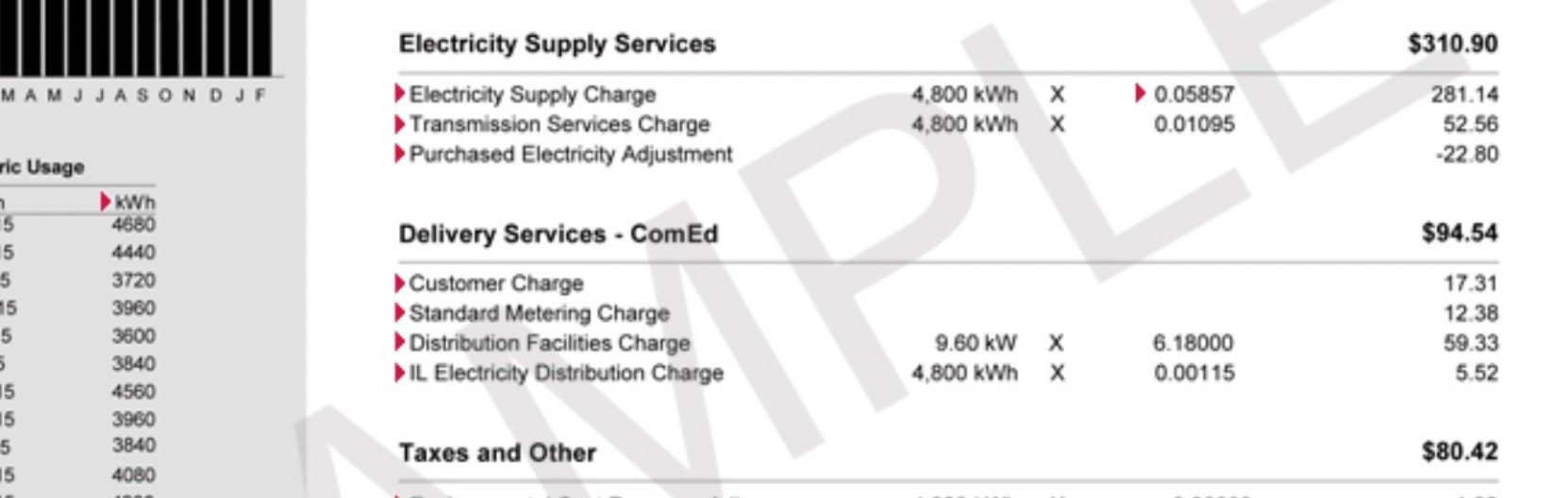
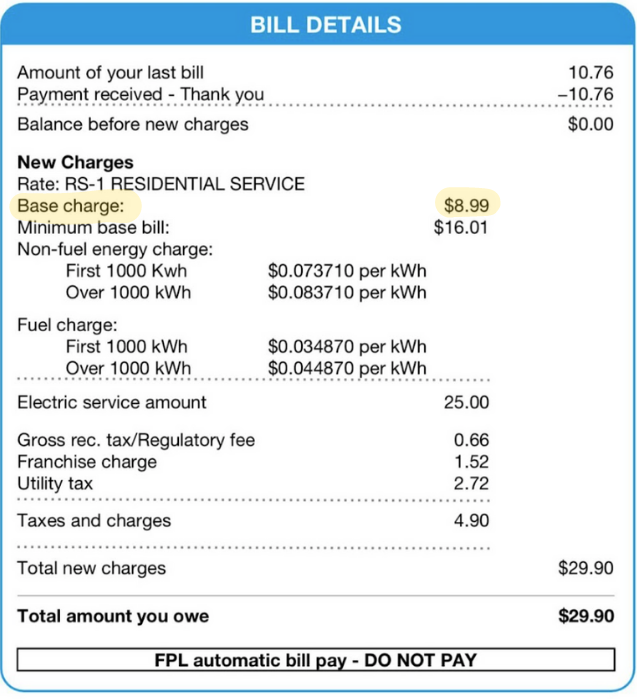
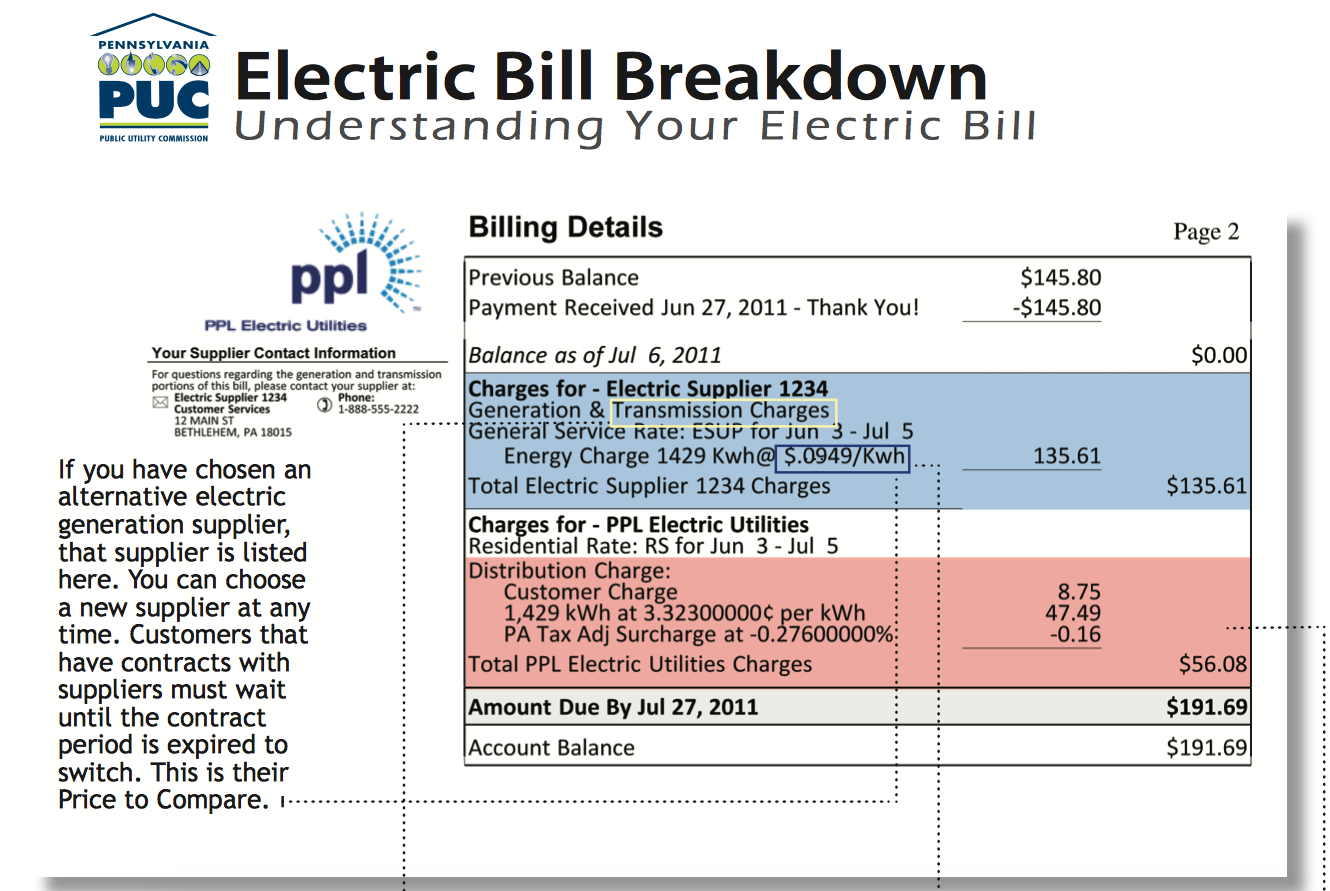
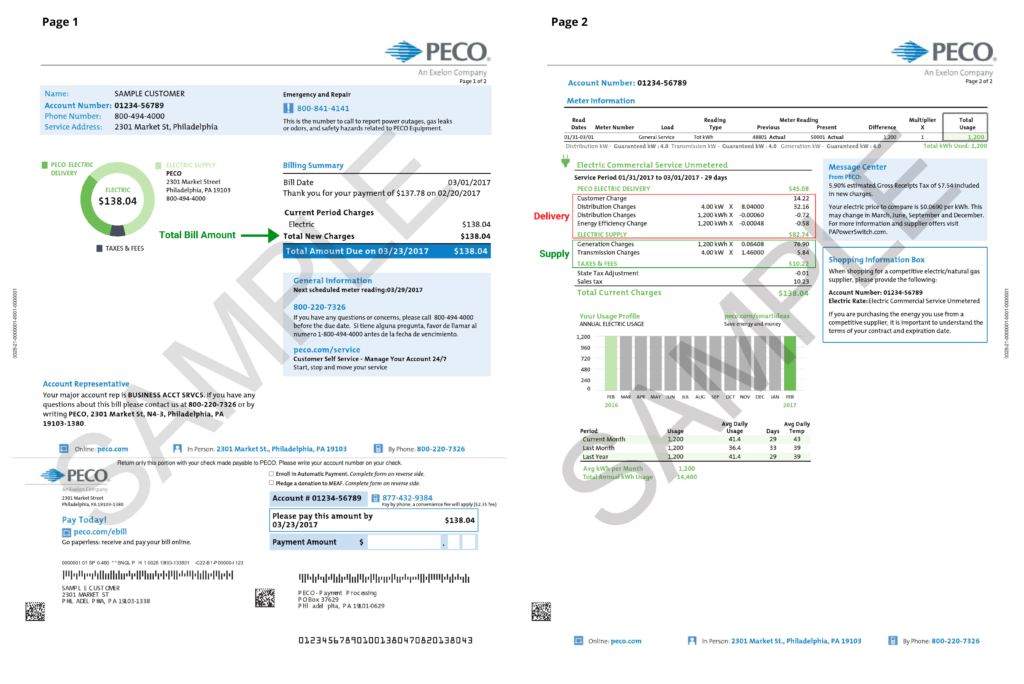
The distribution charge covers the cost of delivering the electricity from the power plant to your home. It's like the delivery fee on that pizza. It pays for all the stuff in between: the power lines strung across poles, the transformers buzzing down the street, the substations that regulate the voltage, and the crews who work hard (often in less-than-ideal weather) to keep it all running smoothly. It's the infrastructure that makes electricity readily available in your home.
Must Read
Imagine trying to run an extension cord from a power plant miles away! Not exactly practical, right? The distribution system is the far more efficient and reliable solution. It’s the silent workhorse ensuring your lights flick on every time you flip a switch.
Why Should You Care?
You might be thinking, "Okay, fine, electricity gets to my house. Why should I care about the nitty-gritty details of the 'distribution charge'?" Well, here’s the deal:
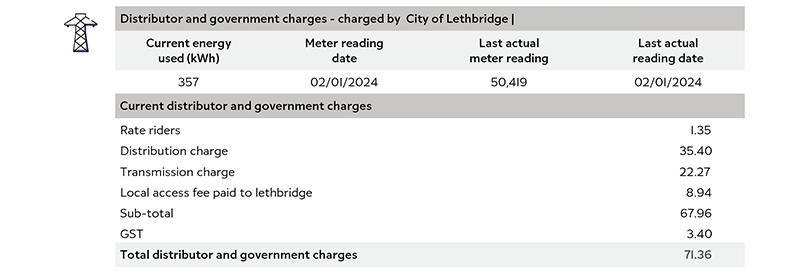
1. Understanding Your Bill: Knowing what the distribution charge is allows you to understand your bill better. You can differentiate between how much electricity you use versus how much it costs to deliver it. This knowledge is power (pun intended!).
2. Questioning the Cost: If your distribution charges seem unusually high, you have the right to ask your utility company about it. Perhaps there's a legitimate reason, or maybe there's an error. You're paying for a service, and you deserve to understand what you're paying for.
3. Energy Efficiency Matters Even More: While you can't directly control the distribution charge (it's based on the utility's costs), understanding it reinforces the importance of energy efficiency. The less electricity you use overall, the less your total bill will be – even with the distribution charge factored in.
4. Supporting Infrastructure Investments: A portion of the distribution charge goes towards maintaining and upgrading the electrical grid. This might include replacing aging equipment, improving reliability, and investing in smart grid technologies. These investments help ensure that you have a dependable supply of electricity for years to come. Think of it as contributing to the upkeep of the roads you drive on; you want them to be in good condition!
Let's say your neighbor always leaves their porch light blazing all night and cranks the AC even when they're not home. While their usage is different from yours, you both benefit from the same reliable distribution network. The distribution charge ensures that the system can handle the load, even during peak demand.
It's Not Just the Electricity Itself
Think of it like this: you buy a fancy new gadget online. The price tag covers the gadget itself, but you also pay shipping and handling. The distribution charge is the "shipping and handling" of electricity. It's an unavoidable (but necessary!) part of getting the electricity to your doorstep.
One important point: Distribution charges can vary depending on where you live. Utilities in densely populated areas might have lower distribution costs per customer than those in rural areas with long distances between homes. Geography plays a significant role.
So, the next time you see "Distribution Charge" on your electric bill, don't just glaze over it. Remember it's the cost of the delivery service, the hard work of keeping the lights on, and a vital part of the infrastructure that powers our modern lives. It might not be the most exciting part of your bill, but understanding it empowers you to be a more informed and engaged energy consumer. And that's something to smile about!