What Is A Dangerous Wind Speed
Ever stood outside on a breezy day and just felt… alive? Wind is one of those elemental forces we experience constantly, from a gentle whisper rustling leaves to a roaring gale that makes you feel like you might just take flight. But have you ever stopped to wonder: at what point does that familiar breeze turn into something a bit more… threatening?
It’s a fascinating question, isn't it? Because "dangerous" isn't a single, magic number. It's more like a sliding scale, depending on who you are, what you're doing, and where you are. Think about it: a wind speed that's perfectly fine for a kite surfer might be downright terrifying for someone trying to walk a tightrope!
When Does Wind Go From "Refreshing" to "Rough"?
Let's start at the gentle end. A light breeze, maybe 5-10 miles per hour (mph), is just lovely. It's the kind of wind that gently cools you down on a warm day, makes flags ripple softly, and helps clothes dry on the line. No danger here, just pure, unadulterated chill vibes.
Must Read
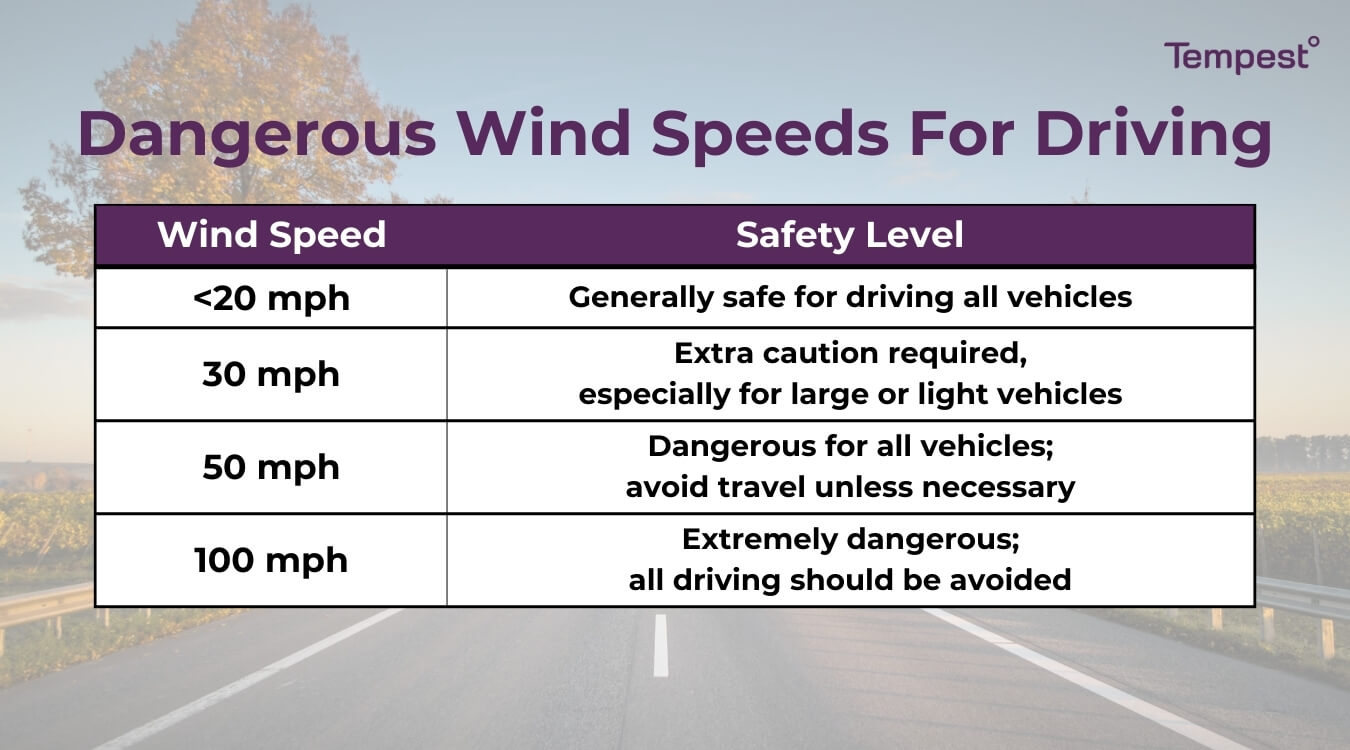
As the wind picks up a bit, say to 15-20 mph, it becomes more noticeable. Your hair might get a bit wild, and you might hear a low whistle around the eaves of your house. Walking against it requires a tiny bit of effort, and your hat might make a run for it if you're not careful. Still, generally safe, but maybe time to secure those loose patio cushions!
Entering the "Hold Onto Your Hat" Zone
Now we're talking about winds in the 25-35 mph range. This is where things start to feel a bit more serious. Small branches on trees might be swaying quite a lot, and you might see dust and loose debris really getting tossed around. If you’re trying to walk, you’ll definitely feel the push, and driving a high-sided vehicle like an RV can start to feel a bit tricky. Is it dangerous? For most everyday activities, probably not severely, but it certainly calls for caution. Think of it like a very enthusiastic toddler trying to push you around – annoying, a bit challenging, but not truly harmful.

The "Uh Oh, That's Not Good" Winds
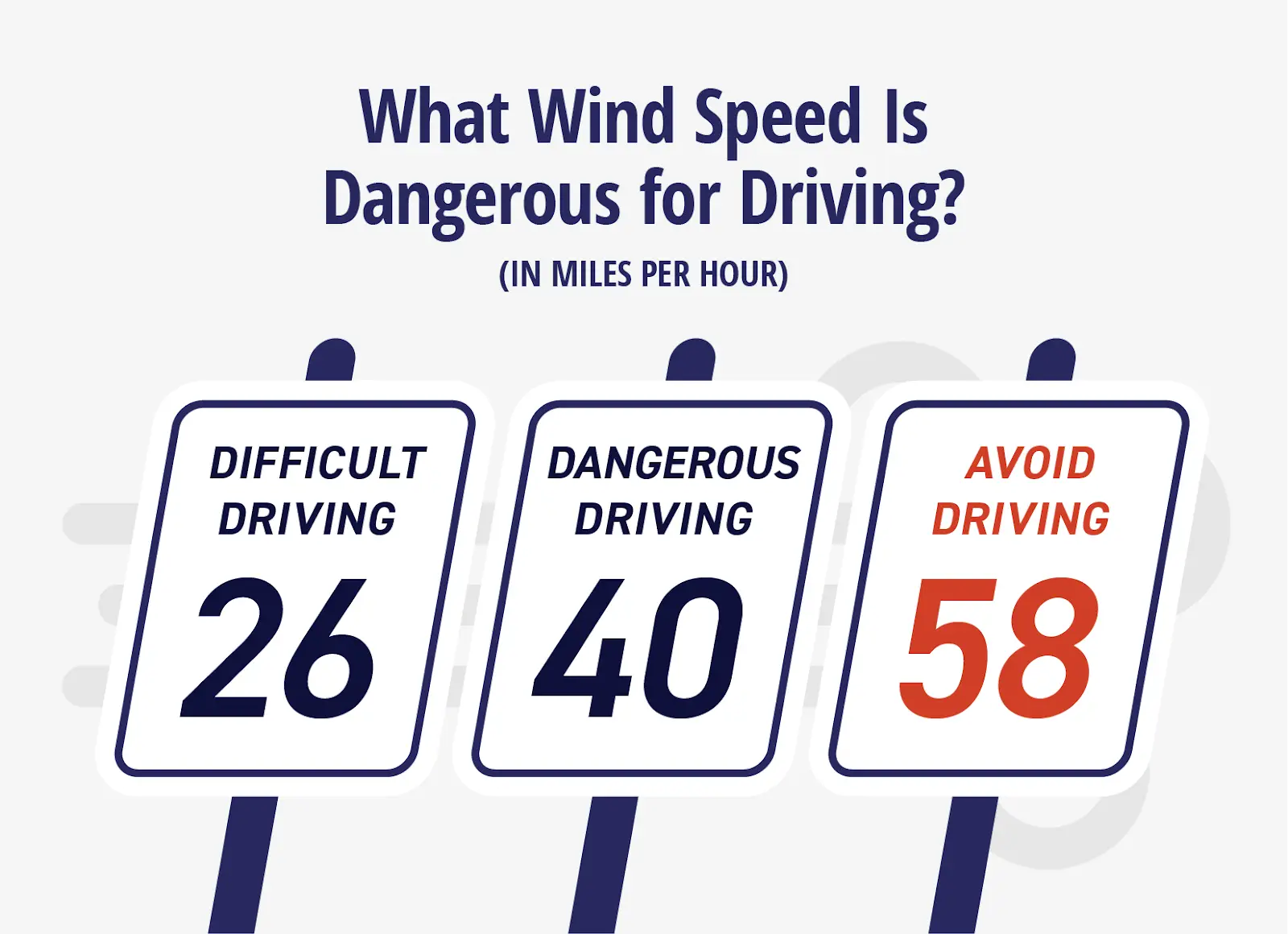
Once wind speeds hit the 40-50 mph mark, things are definitely leaning towards the "dangerous" side, especially for property. Trees might lose medium-sized branches, and unsecured items like bins or garden furniture can become airborne projectiles. Power outages become a real possibility as lines sway and snap. For us humans, walking directly against such a wind can be extremely difficult, if not impossible, and simply being outside can feel quite uncomfortable and even risky due to flying debris.
To put that in perspective, imagine sticking your hand out the window of a car going 40-50 mph. That's the kind of force we're talking about! It's not just a push anymore; it’s a shove with real power.
Truly Dangerous Winds: When Nature Gets Serious
When wind speeds climb above 60 mph, we're unequivocally in dangerous territory. At these speeds, entire trees can be uprooted, weak structures can suffer significant damage, and driving becomes incredibly hazardous. This is the kind of wind associated with severe thunderstorms, strong gales, and the lower end of tropical storm warnings.
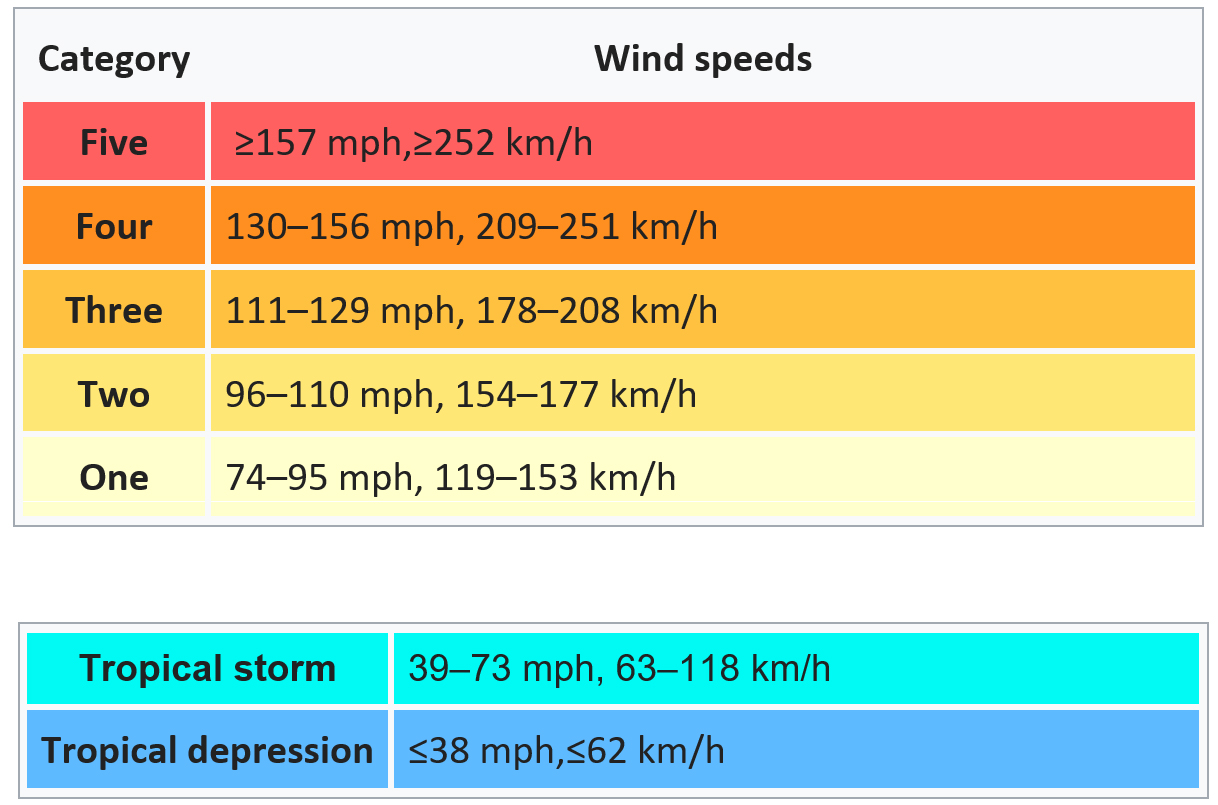
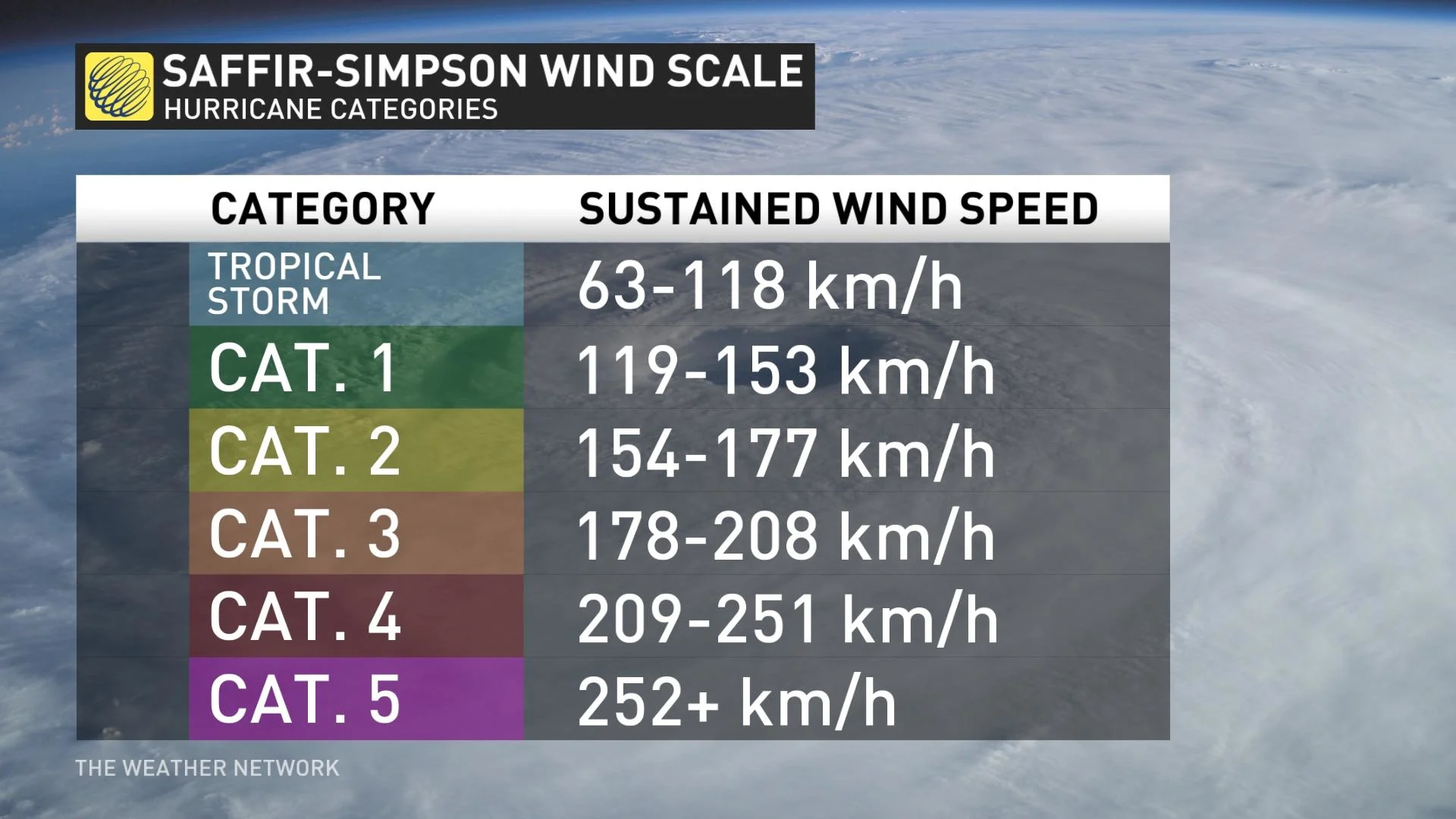
And then, of course, we have the really big numbers. Once winds exceed 74 mph, they are officially classified as hurricane force. This is where widespread destruction can occur: roofs torn off, mobile homes overturned, large trees snapped like twigs. Tornadoes, while localized, can feature winds well over 100 mph, sometimes even exceeding 200 mph – enough to literally lift cars and demolish well-built homes. Imagine trying to stand in front of a freight train travelling at top speed – that's the kind of unstoppable force these winds represent.
It's All About Context, Right?
So, what’s the takeaway? A "dangerous" wind speed isn't just one number. It's a nuanced answer that depends on many factors. Are you on a boat, in a high-rise building, or just walking your dog? Is the wind continuous, or are there sudden, powerful gusts? A 30 mph gust might startle you, but a continuous 30 mph wind is a different beast.
Ultimately, our fascinating planet constantly reminds us of its power. Appreciating the gentle breeze is wonderful, but understanding when that breeze can become a force to respect – and sometimes, to hide from – is pretty cool, too. So, next time you feel the wind on your face, take a moment to consider its strength. It’s always an adventure!