What Is A Cycle On A Battery

Ever wonder why your phone, laptop, or electric toothbrush seems to slow down its battery life after a while? Or why some gadgets seem to last forever, while others fizzle out quickly? It all comes down to a super interesting, yet often overlooked, concept called a battery cycle. And honestly, once you get a handle on it, it's not just useful – it can be genuinely fun to feel like you're unlocking the secrets to making your tech last longer and perform better!
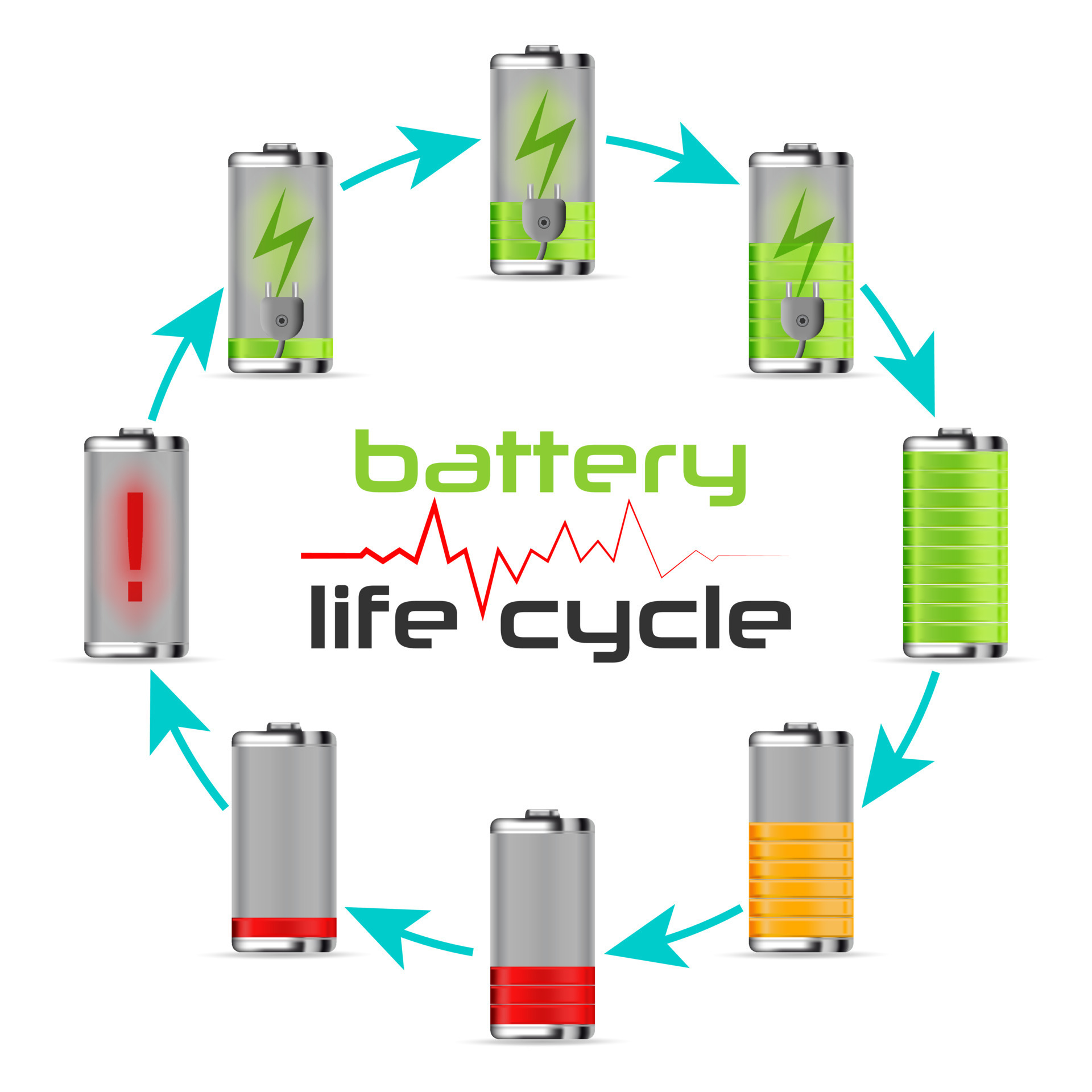
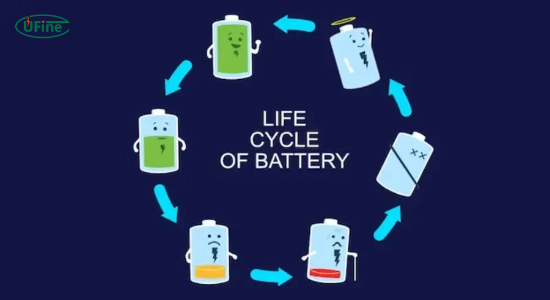
So, what exactly is a battery cycle? In simple terms, a battery cycle is when you use a battery from 100% down to 0% and then charge it back up to 100%. Think of it like a full lap around a track for your battery. But here's the cool part: it doesn't have to happen all at once! If you use your phone down to 50% and charge it back up, and then later use it down to another 50% and charge it, that cumulatively counts as one full cycle. Most modern batteries, especially the lithium-ion ones in our daily gadgets, are rated for a certain number of these cycles before their capacity significantly degrades.
Understanding battery cycles offers fantastic benefits for all sorts of people. For beginners, it demystifies why your phone battery isn't as spry as it used to be and gives you peace of mind that it's a normal process, not a sudden failure. For families, knowing about cycles can help you extend the life of expensive gadgets like tablets for the kids, e-readers, or even remote-controlled toys, saving money in the long run. And for hobbyists – whether you're into drones, RC cars, or portable power banks – optimizing your battery usage based on cycle knowledge can mean longer flight times, more powerful runs, and a better return on your investment in high-performance batteries.
Must Read
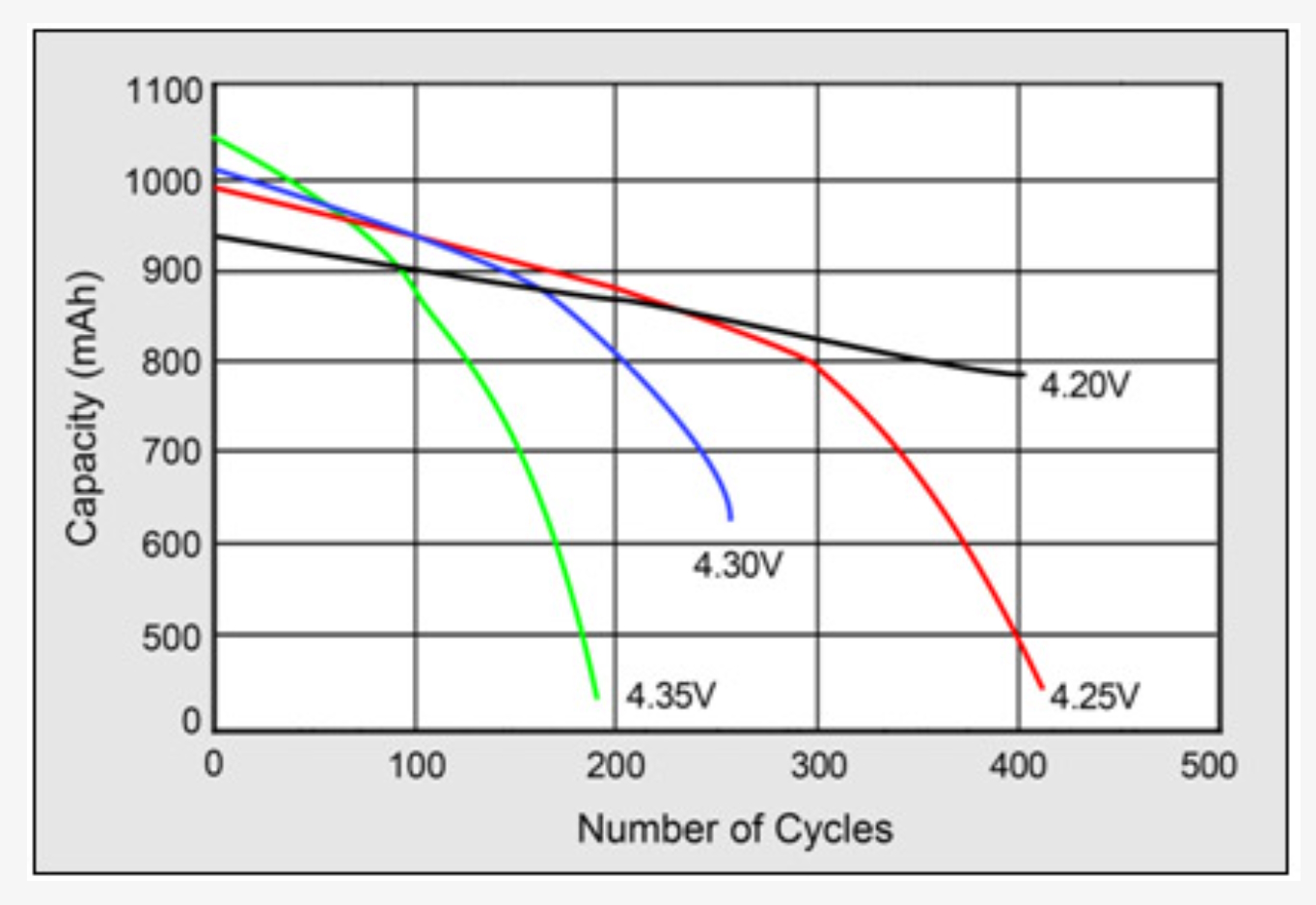
While the basic definition is clear, there are variations. Manufacturers often rate batteries by how many cycles they can endure before dropping to, say, 80% of their original capacity. For example, a smartphone battery might be rated for "500 cycles to 80%." Different battery types also have different cycle counts; the lithium-ion batteries in your phone are different from the larger lead-acid batteries you might find in a UPS or golf cart, each with their own cycle characteristics. The key is that every time you complete a full 0-100% equivalent usage, you're chipping away at that total cycle count.
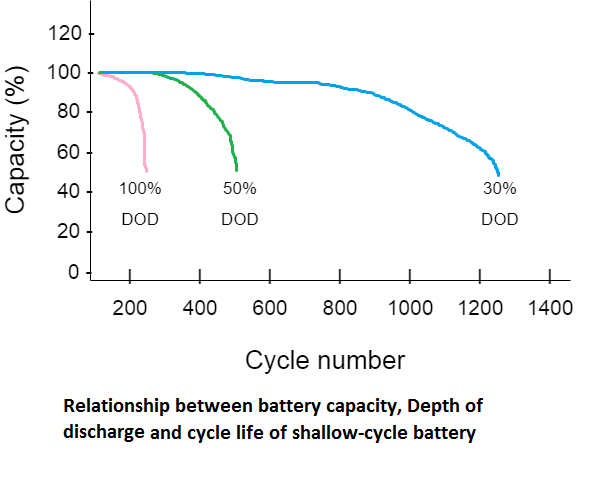
Ready for some simple, practical tips to get started with this knowledge? You don't need to be an expert! First, for most modern lithium-ion batteries, avoid letting your battery consistently drain to 0%. Deep discharges can be harder on the battery. Aim to keep it between 20% and 80% when possible. Second, don't always charge to 100% if you don't need to, and avoid leaving devices plugged in at 100% for extended periods (like overnight, every night). Many devices now have "optimized charging" features that learn your habits and charge smarter. Third, keep your batteries cool; extreme heat is a battery's worst enemy, accelerating degradation. Finally, use original or reputable charging accessories to ensure safe and efficient charging.
By simply understanding what a battery cycle is and following a few easy tips, you're not just prolonging the life of your devices, you're becoming a smarter, more empowered tech user. It’s a small change in habit that offers big rewards, letting you enjoy your gadgets longer and reducing unnecessary e-waste. Happy cycling!