
What Is A Control Account

Ever found yourself staring at a mountain of details, whether it's receipts, tasks, or study notes, and wishing there was a simpler way to get the big picture? Or perhaps you've wondered how large organizations manage their complex finances without drowning in an ocean of individual transactions? Well, buckle up, because there's a fascinating concept from the world of organization and accounting that can bring clarity to chaos: the control account.
Don't let the formal name intimidate you! Learning about control accounts is less about crunching numbers and more about understanding a brilliant strategy for managing information. It's essentially about having a summary account that represents the total of a group of more detailed, individual accounts. Think of it as a helpful bird's-eye view that allows you to see the forest without getting lost among the trees.
The core purpose of a control account is to provide a concise overview and simplify reconciliation. Imagine a huge company with thousands of customers. Instead of every single customer's payment being recorded directly in the main financial ledger, there's often a single "Accounts Receivable" control account. This account holds the total amount owed by all customers. The detailed breakdown for each individual customer is kept in a separate, subsidiary ledger. This setup offers incredible benefits: it keeps the main financial records tidy and manageable, makes it easier to spot errors (because the control account total must always match the sum of its subsidiaries), and provides quick, high-level insights for decision-making without getting bogged down in minutiae.
Must Read
Let's bring this idea closer to home. In education, consider your overall Grade Point Average (GPA). That's your control account! It gives you a summary of your academic performance. The individual grades from each course you take (Biology, History, Math) are your subsidiary accounts. The GPA sums them all up. Or, if you're managing a school project, you might have a "Total Project Budget" (control account) while tracking spending for "Materials," "Software Licenses," and "Team Lunches" (subsidiary accounts) separately.
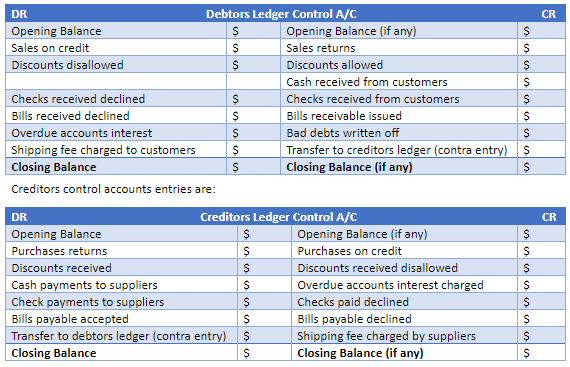
In daily life, you might already be using this concept without realizing it. Think about your personal finances. You could have a "Total Savings" account (your control account) at the bank. Within that, you might mentally (or actually, if your bank allows it) earmark funds for "Vacation," "Emergency Fund," and "New Gadget" – these are your subsidiary accounts. Your total savings balance should always equal the sum of these individual pots. Another example? Your "To-Do List" category called "Home Chores" (control account) might include "Vacuum Living Room," "Clean Bathroom," and "Do Laundry" (subsidiary tasks). The category gives you a quick sense of your overall chore load.
Ready to explore this yourself? It's delightfully simple! Next time you're tackling an organizational challenge, try to identify your "control accounts." Are you budgeting? Create broad categories like "Food," "Utilities," "Entertainment" (your control accounts), and then track the specific expenses (subsidiary details) within each. Using a simple spreadsheet or even just a notebook, try to make sure your summary totals always match the sum of your detailed entries. It’s a powerful yet intuitive way to gain clarity, maintain control, and master your own information flow, one organized summary at a time!


