
What Is A Comfortable Temperature For Your Home
Okay, let's talk temperature. That sweet spot where you're not sweating buckets or shivering like a chihuahua in Antarctica. What is comfortable, anyway? It's surprisingly subjective!
Think Goldilocks. Not too hot, not too cold, but just right. But "just right" for who? Your grandma? Your teenager playing video games in their underwear? Big difference!
Basically, there's no magic number, but we can get pretty darn close. Buckle up, buttercup!
Must Read
The Science-y Stuff (Don't Worry, It's Quick!)
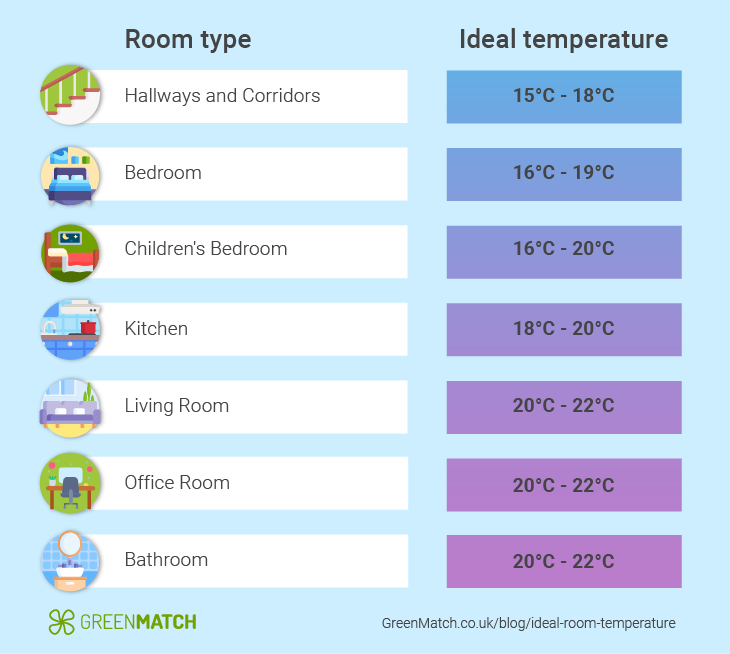
Generally, most experts suggest between 68°F and 78°F (20°C and 26°C) for when you're awake and active. Boom. There's your baseline. Easy peasy.
But hold on! It’s not just about the number on the thermostat. Humidity plays a HUGE role. Ever notice how 80°F feels way worse in Florida than in Arizona? That's humidity, baby! It makes the air feel heavier and stickier. Yuck!
Relative humidity should ideally be between 30% and 50%. Too low and you'll feel like a dried-up prune. Too high and you'll practically sprout mold.
Sleeping Beauty (and the Ideal Sleep Temp)
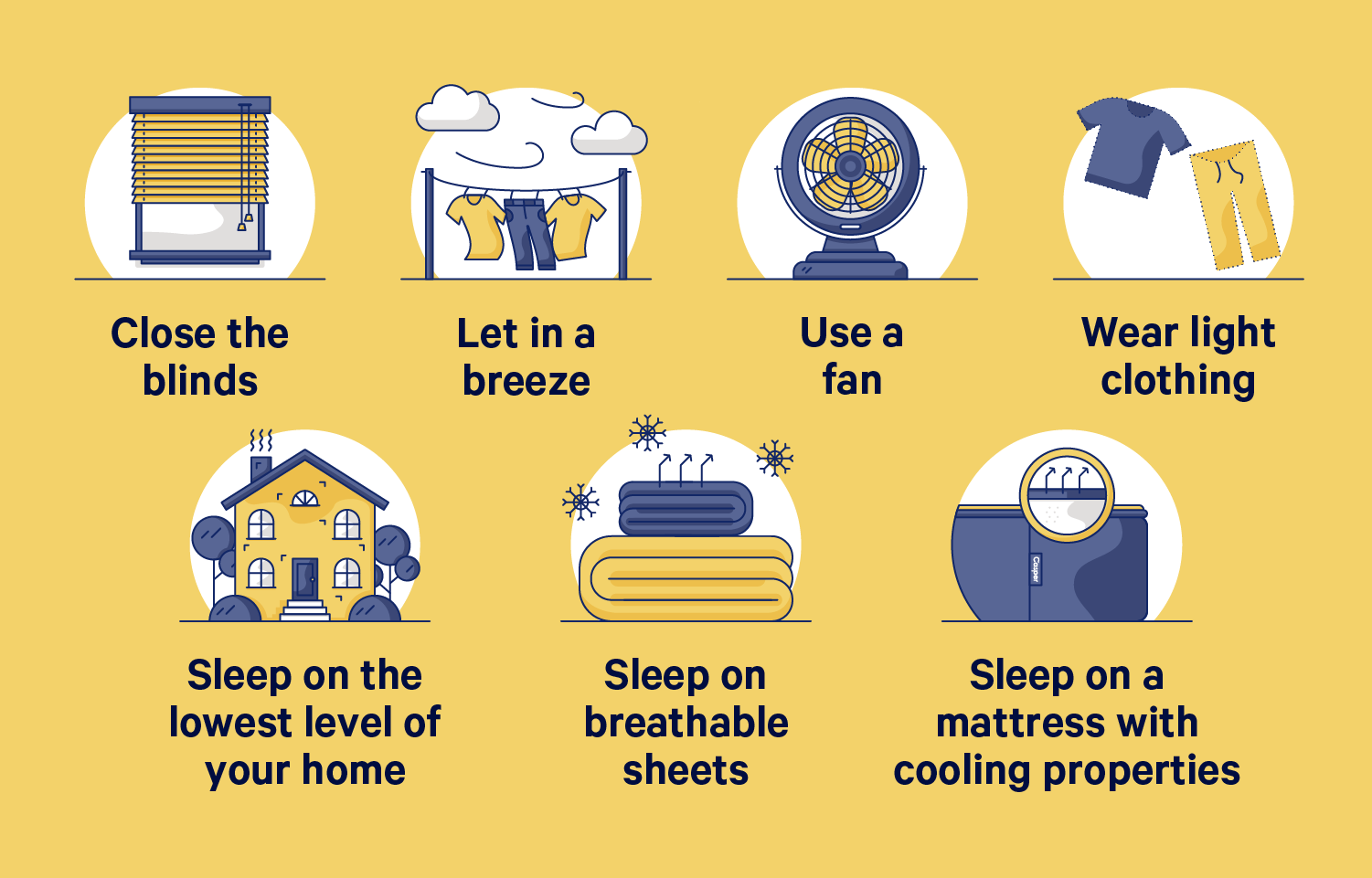
Hitting the hay? Crank that thermostat down! Sleep experts (yes, they exist!) say a cooler room is way better for quality sleep. Think 60°F to 67°F (15°C to 19°C). Brrr!
Why? Because your body temperature naturally drops when you sleep. A cooler room helps that process along. It's like giving your internal thermostat a helping hand. Plus, who doesn't love snuggling under a cozy blanket?
Fun fact: Did you know some people believe that the perfect sleep temperature mimics the temperature of a cave? Think about it… dark, quiet, and cool. Our primal ancestors knew what was up!
The Great Temperature Debate: Household Edition
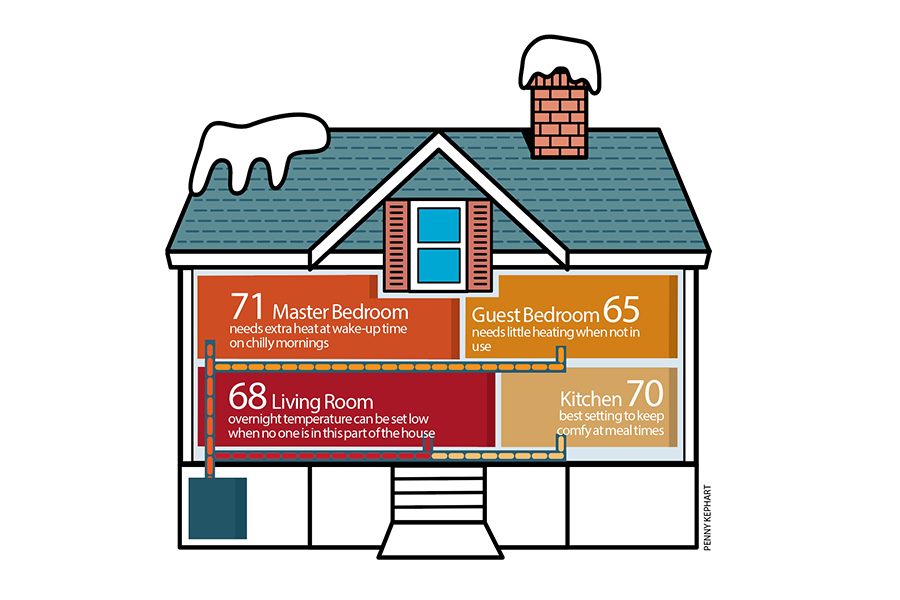
Here’s where things get interesting (and potentially contentious). You, your partner, your roommates, your pets… everyone has a different thermostat setting in their brain!
Maybe you're a naturally warm person who thrives in cooler environments. Or maybe you're perpetually cold and need to wear a sweater in July. Compromise is KEY! Unless you want a full-blown thermostat war on your hands.
Consider these factors when setting your home temperature:
- Activity level: Lounging on the couch? A little warmer is nice. Doing a workout? Crank up the AC!
- Clothing: Pajamas vs. a t-shirt and shorts makes a difference!
- Time of day: Lowering the temp at night can save energy (and help you sleep better).
- Sun exposure: A room with lots of sunlight will naturally be warmer.
Beyond the Numbers: Personal Preferences
Okay, so we've talked about the science and the general guidelines. But ultimately, your comfort is what matters most. What makes you feel good? What makes your home feel like a cozy haven?
Maybe you love the feeling of a slightly chilly room and wrapping yourself in a warm blanket. Maybe you prefer to bask in a toasty environment, even if it means wearing shorts in December. There's no right or wrong answer!
Experiment! Play around with your thermostat. See what feels best for you and your household. Don't be afraid to adjust it throughout the day depending on your activities and the weather outside.

Tips and Tricks for Temperature Nirvana
Here are a few quick tips to maximize your comfort (and save some money on your energy bill!):
- Programmable Thermostat: Set it and forget it! (Almost.)
- Ceiling Fans: Circulate the air and make you feel cooler (or warmer).
- Proper Insulation: Keep the heat in during the winter and out during the summer.
- Window Coverings: Block out the sun's rays in the summer and trap heat in the winter.
- Dress Appropriately: Seems obvious, but it works!
Ultimately, finding your ideal home temperature is a journey, not a destination. Have fun with it! Don't be afraid to experiment and find what makes you feel the most comfortable. And remember, communication is key, especially if you're sharing your space with others. Happy temperature hunting!
Bonus quirky fact: Did you know that your pets might have opinions on the temperature too? A fluffy dog will feel hotter than a short-haired one!