
What Is A Cnc Machine Used For
Ever tried to hang a picture frame and ended up with something that looks like it's bracing for an earthquake? Or maybe attempted a DIY project that promised to be a sleek shelf, but instead turned into a charmingly rustic (read: lopsided) leaning tower of... well, wood?
We've all been there. Our hands, bless their hardworking souls, aren't always built for pinpoint precision. They wobble, they fatigue, they suddenly decide a coffee break is in order mid-cut. This, my friends, is where the unsung hero of modern manufacturing, the CNC machine, strolls onto the scene, cape flapping dramatically.
So, What Is a CNC Machine Anyway?
Imagine you've got a brilliant idea for a new gadget, a custom piece of furniture, or even a super intricate cookie cutter for your pet unicorn's birthday party. You've sketched it out, you know exactly what you want. Now, how do you make it real, perfectly, every single time?
Must Read
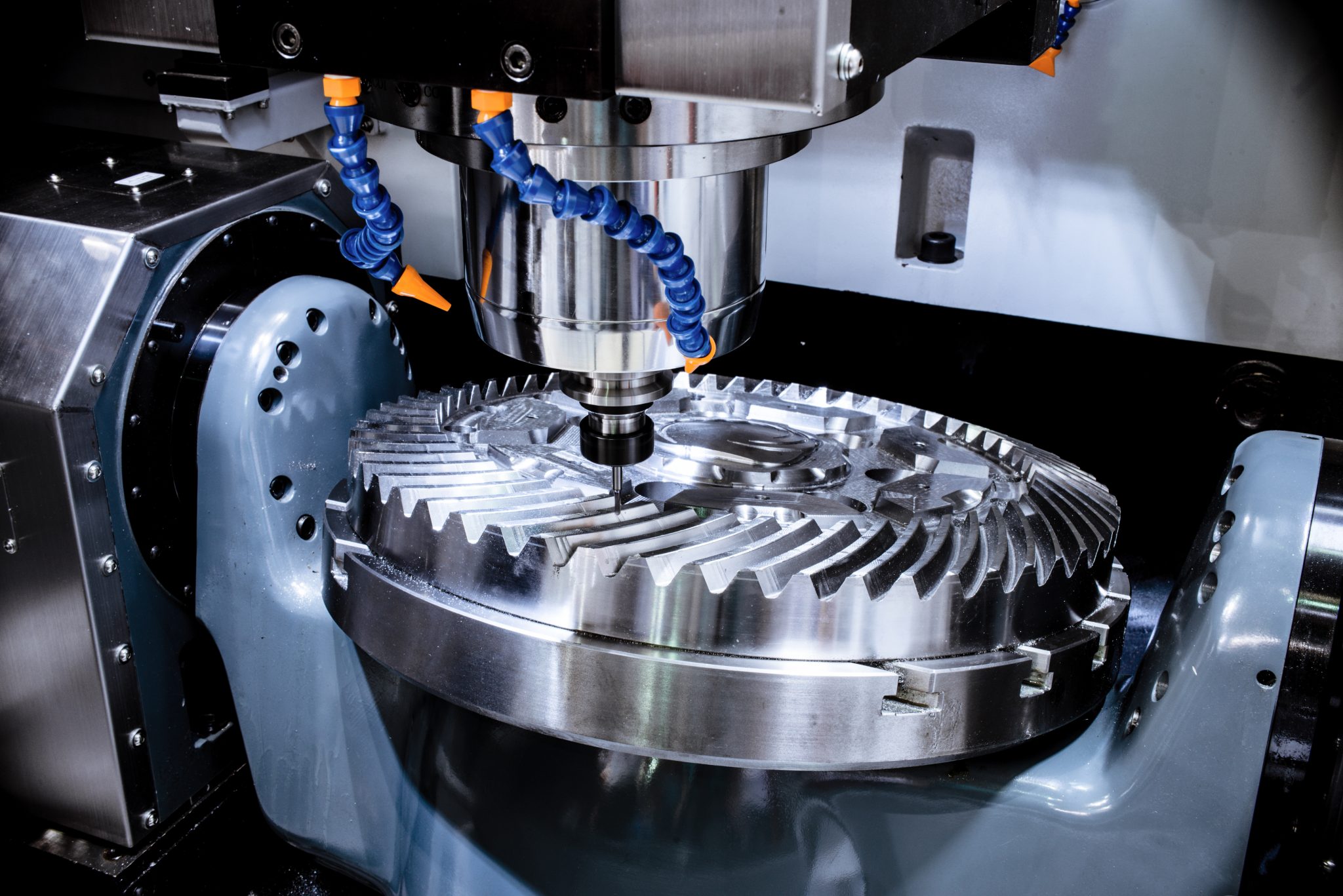
That's where a CNC comes in. The acronym stands for Computer Numerical Control. In plain English, it means a computer is telling a machine exactly what to do, down to the tiniest movement. Think of it like a super-smart, super-obedient robot chef in a five-star kitchen. You don't have to stand there with a whisk; you just program the recipe, and it executes it flawlessly.
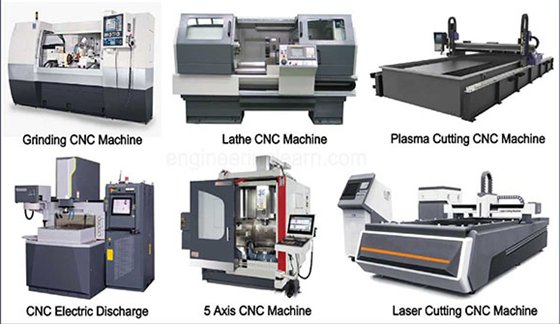
Instead of a chef, though, a CNC machine usually has tools attached – like tiny drills, cutters, lasers, or even plasma torches. These tools then carve, cut, engrave, or shape materials like metal, plastic, wood, foam, and even composites, all based on the digital blueprint you've fed it.
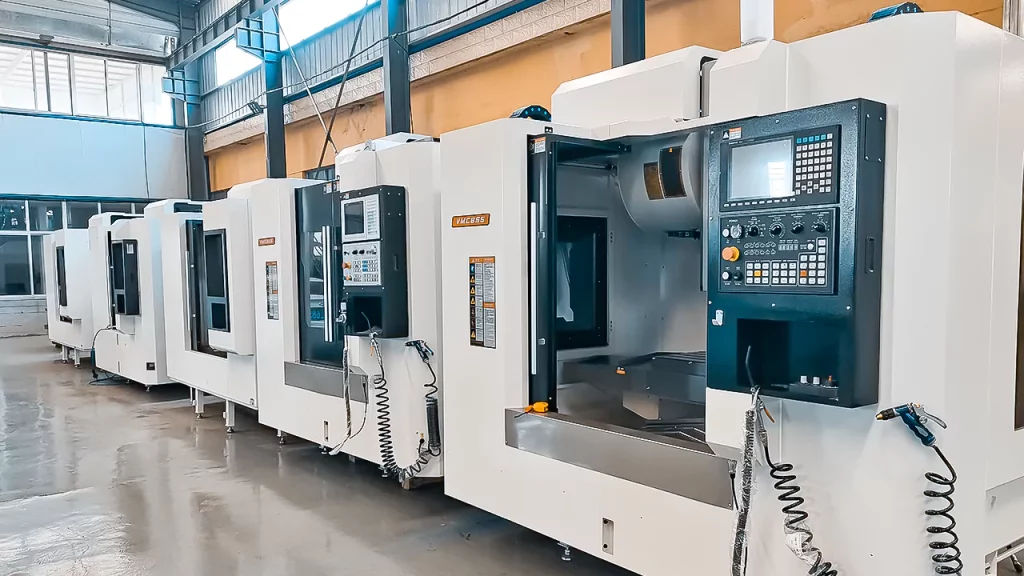
Where Do You See These Clever Contraptions in Everyday Life?
You might not realize it, but CNC machines are the silent masterminds behind so much of the stuff you interact with daily.
Your Smartphone, for Starters: Ever marvel at the perfectly smooth edges of your phone, or the impossibly precise cutout for its camera lens or charging port? That wasn't some incredibly steady-handed artisan with a tiny chisel. That was a CNC machine, carving out the intricate details with millimeter-perfect accuracy. No rogue scratches, no uneven borders – just pure, pristine perfection.
Furniture You Love: That elegant dining table with its perfectly symmetrical legs? The intricate carvings on an antique-style cabinet? Chances are, a CNC router had a hand in creating those consistent, repeatable designs, saving countless hours and ensuring uniformity across multiple pieces. No more "one leg slightly shorter than the others" mishaps!
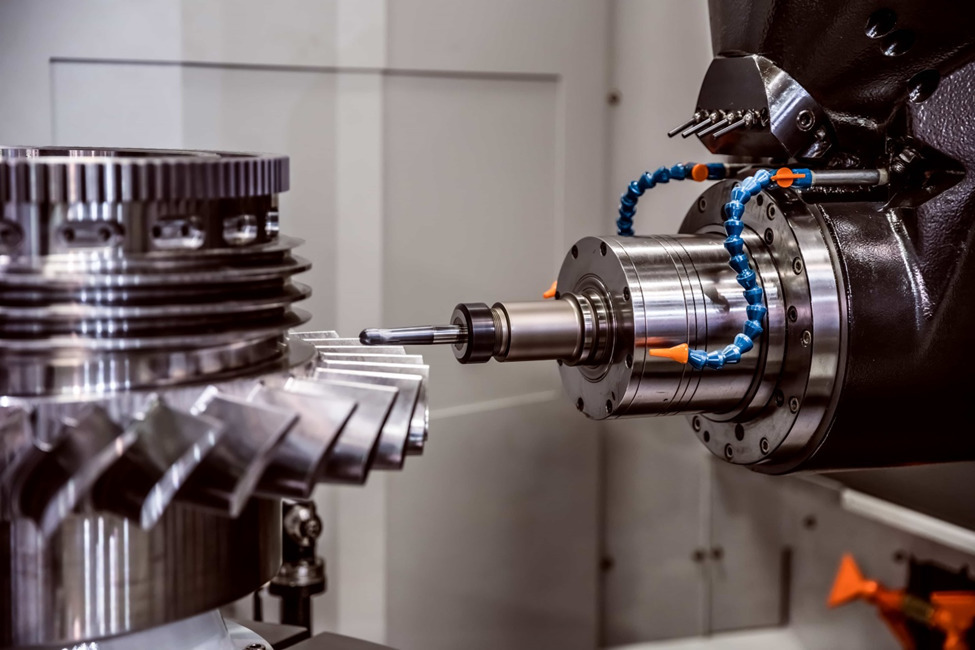
The Car You Drive: Pop open the hood (or just sit inside and admire the dashboard). Many of the engine components, the precise cut of the various panels, and even the molds for your car's interior parts are crafted using CNC machines. They ensure that every part fits together just right, like a super-complicated, high-stakes jigsaw puzzle.
Sparkly Things and Shiny Smiles: Yup, even the delicate world of jewelry making benefits from CNC, creating intricate pendants and perfectly set stones. And if you've ever had a dental crown or implant, guess what? A CNC mill probably sculpted that custom-fit piece of artistry for your mouth, ensuring it slots in perfectly and feels just right. No one wants a wonky tooth replacement!
Signs, Guitars, and Everything In Between: From the personalized wooden sign hanging outside your favorite coffee shop to the precise body of a custom electric guitar, CNC machines are everywhere. They're making intricate molds for plastic toys, crafting detailed circuit boards, and even helping hobbyists in their garages turn wild ideas into tangible realities.
Why Bother with These High-Tech Tools?
The answer boils down to a few key superpowers:
1. Precision That'll Make Your Eyes Water (in a good way): Manual cutting is like drawing freehand. CNC cutting is like tracing with a laser pointer on a grid. The results are consistently accurate, every single time. No more "close enough" when "perfect" is on the menu.
2. Repeatability for Days: Need 100,000 identical tiny screws? Or 5,000 identical decorative panels? A human would go mad, and the 5,000th panel would probably look very different from the 1st. A CNC machine will churn them out like a well-oiled, highly precise cookie factory, each one a perfect clone of the last.
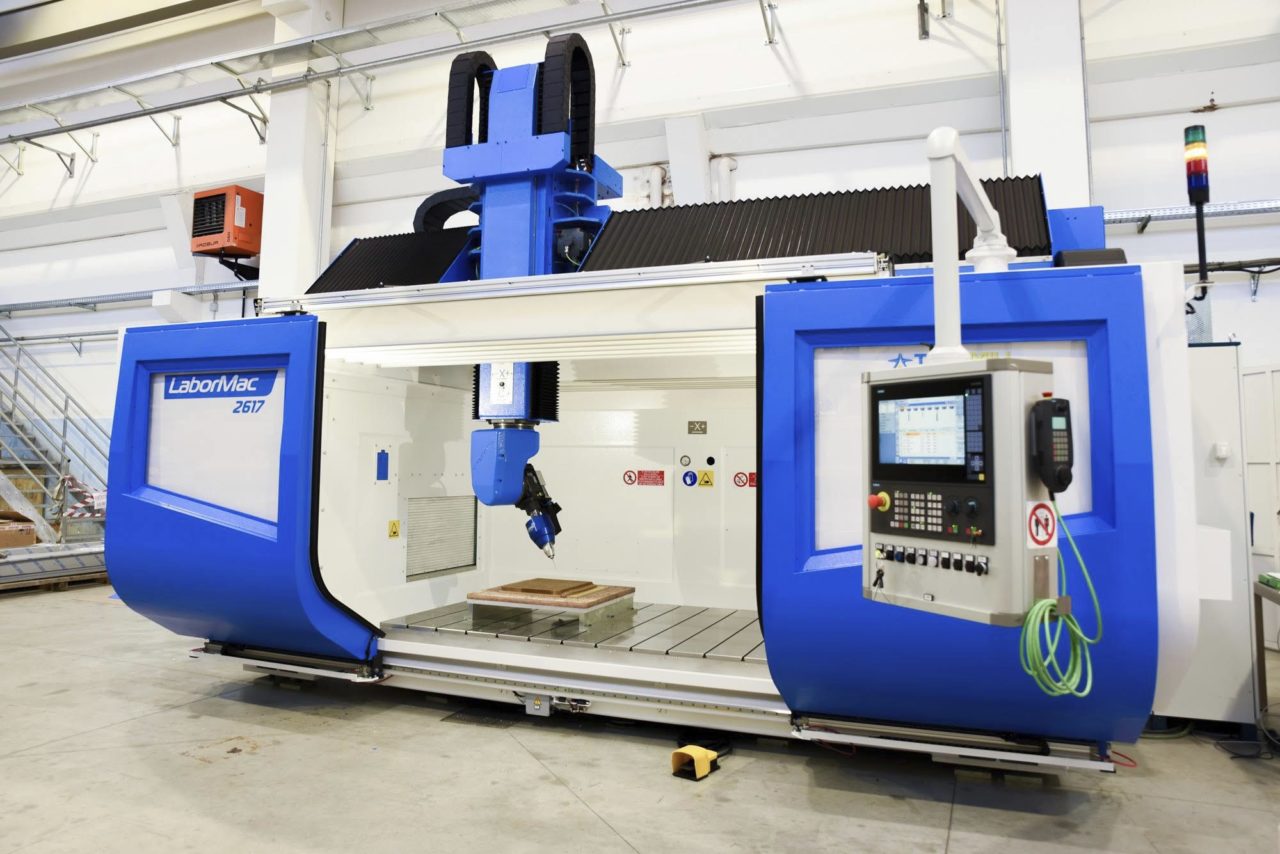
3. Speed and Efficiency: For complex tasks, a CNC can often work much faster than a human, and without needing coffee breaks or complaining about Mondays. It boosts productivity big time.
4. Safety First: Many manufacturing processes involve sharp tools, high heat, or dangerous materials. Letting a machine handle these tasks keeps human workers safe from potential hazards.
So, the next time you admire a perfectly crafted item, whether it's the sleek design of your laptop or the perfectly curved handle of your favorite mug, take a moment to give a silent nod to the humble (yet incredibly powerful) CNC machine. It's the silent artisan, ensuring that our world is filled with precision, consistency, and a whole lot less crookedness. And for that, our wobbly hands are eternally grateful.