What Is A Boiler For Heating
Ever woken up on a frosty morning, stumbled out of bed, and felt that delicious warmth radiating from your radiators or under your feet? That, my friends, is not magic. Well, not entirely. It’s the handiwork of one of the most misunderstood and utterly vital pieces of equipment in your home: the boiler.
Before you picture some monstrous, coal-fired leviathan from a Dickens novel, let's clear the air. Your modern boiler is a far cry from those smoke-belching beasts. It’s less "Victorian villain" and more "unsung, slightly grumpy, but ultimately reliable domestic hero."
So, What Is This Metal Beast?
In the simplest, most café-chat-friendly terms, a boiler for heating is your home’s personal, dedicated hot water factory. But here’s the kicker: it’s not making hot water for you to drink or wash dishes with (though some do help with that too!). It’s making hot water to circulate through a closed system of pipes, radiators, or underfloor heating, warming up your house like a giant, cozy hug.
Must Read
Think of it like this: your house isn't a giant kettle. The water inside your heating system isn’t just bubbling away for fun. It’s on a mission!
Dispelling Boiler Myths (with a chuckle)
First off, it’s not a space heater on steroids. It doesn’t just blow hot air around, making your curtains dance a fiery jig. And no, it’s not secretly a sentient robot plotting world domination (at least, mine hasn't shown any signs yet, but I'm keeping an eye on it).
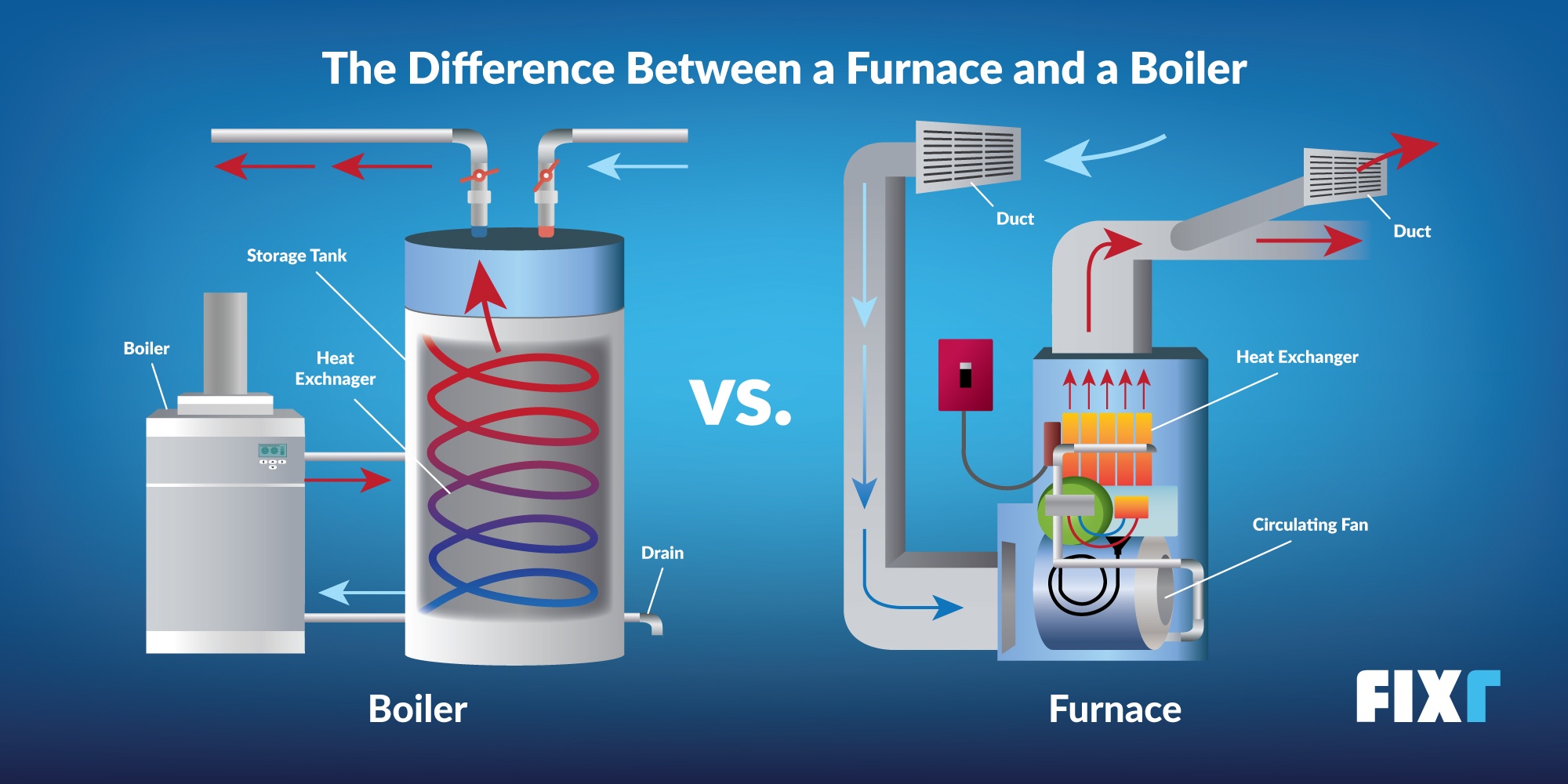
It’s also not a furnace. Furnaces heat air directly and blow it through ducts. Boilers, on the other hand, are hydronic systems. They deal with water, which is a fantastic medium for transferring heat. Water holds heat much better than air, which is why your radiators stay warm long after the boiler switches off. It’s like water has a better memory for warmth!
How Does This Magic Happen? (The Non-Technical, Fun Version)
Imagine your boiler as the heart of your home's circulatory system. Instead of blood, it pumps hot water. Here’s the ridiculously simplified breakdown:
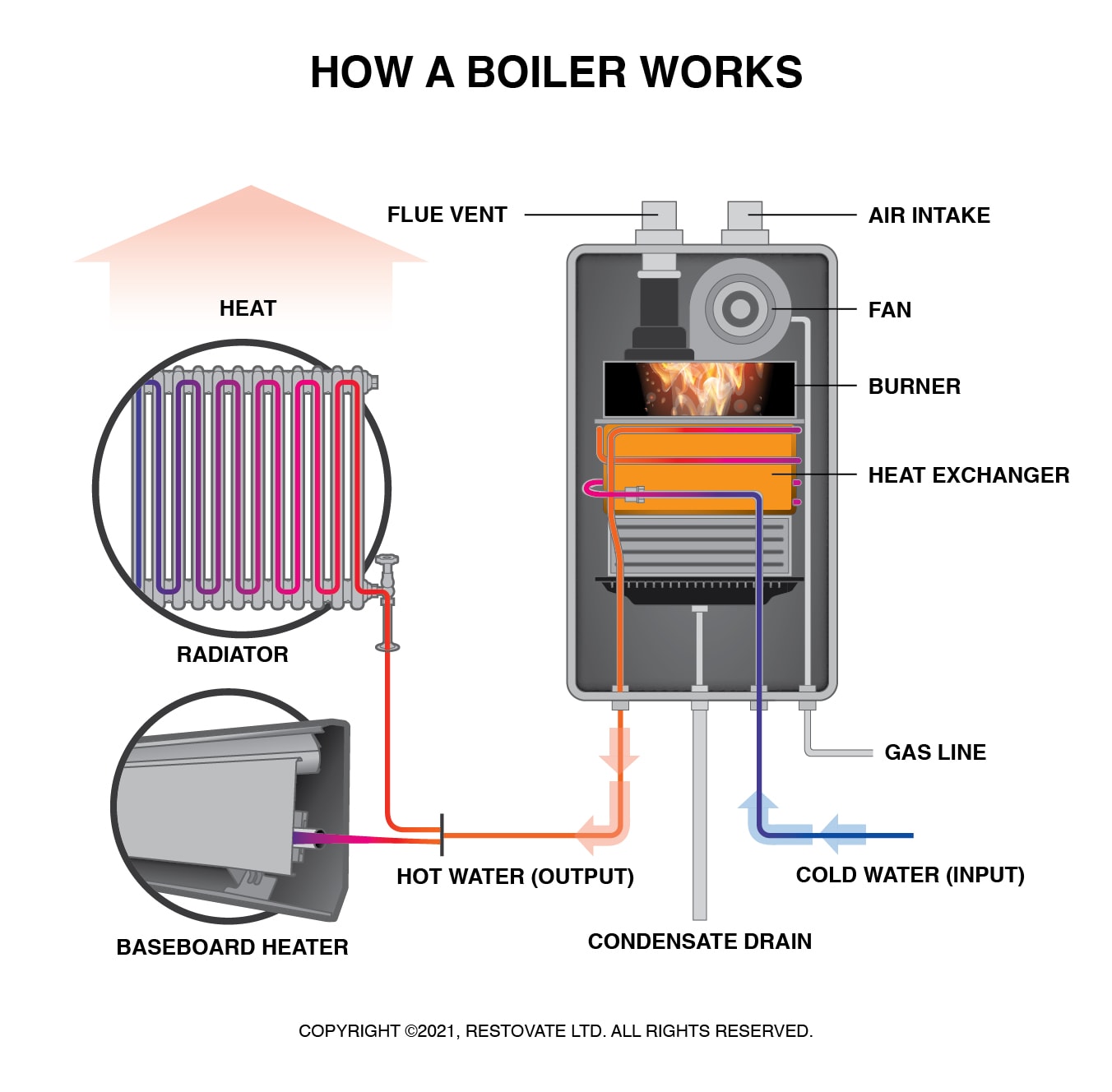
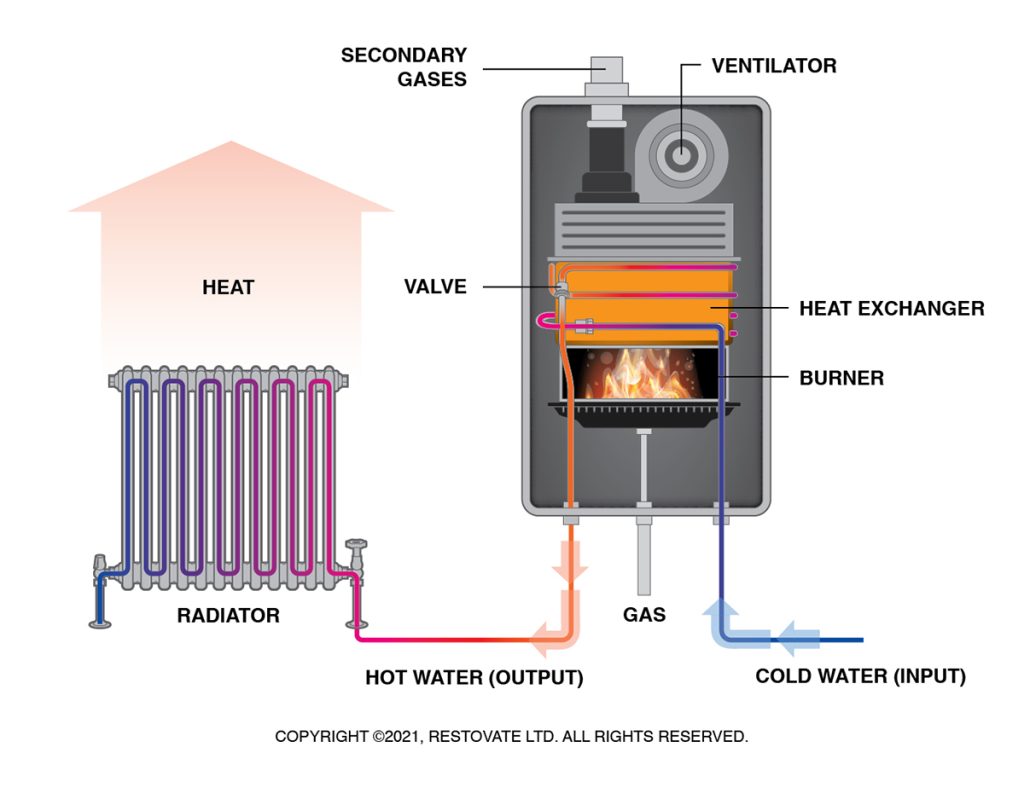
- The Ignition: Fuel (natural gas, propane, oil, or electricity) ignites in a combustion chamber. It’s like striking a tiny, controlled lightning bolt inside a metal box.
- The Heat Exchanger: This is where the magic really happens. Cold water from your heating system flows into the boiler and through a network of pipes called a heat exchanger. The flames (or electric elements) heat this metal exchanger, which in turn heats the water inside it. It's essentially a really efficient, super-fast water heater.
- The Circulation: Once the water is nice and toasty (usually around 180°F or 82°C – don't touch!), a pump (the 'circulator' pump) pushes it out of the boiler and sends it on its grand tour of your home.
- The Warm-Up: The hot water zips through pipes to your radiators or underfloor heating coils. As it flows through these, it radiates heat into the rooms, making everything wonderfully warm.
- The Return Trip: Having dropped off its warmth, the now-cooler water makes its way back to the boiler, ready to be reheated and sent on another warming adventure. It’s a closed loop! The same water gets heated and circulated again and again. You're not constantly filling your system with fresh water (unless there's a leak, in which case, call a professional!).
The Different Personalities of Boilers
Just like people, boilers come in different types, each with its own quirks:
- Combi Boilers: The multi-taskers! Short for "combination," these heroes heat your home and provide instant hot water for your taps and showers, all from one compact unit. No hot water cylinder needed. They’re like the Swiss Army knife of home heating.
- System Boilers: The team players! These work with a separate hot water storage cylinder, storing up a batch of hot water for whenever you need it. Great for larger homes with multiple bathrooms where everyone wants a hot shower simultaneously. They’re the 'prepare in advance' type.
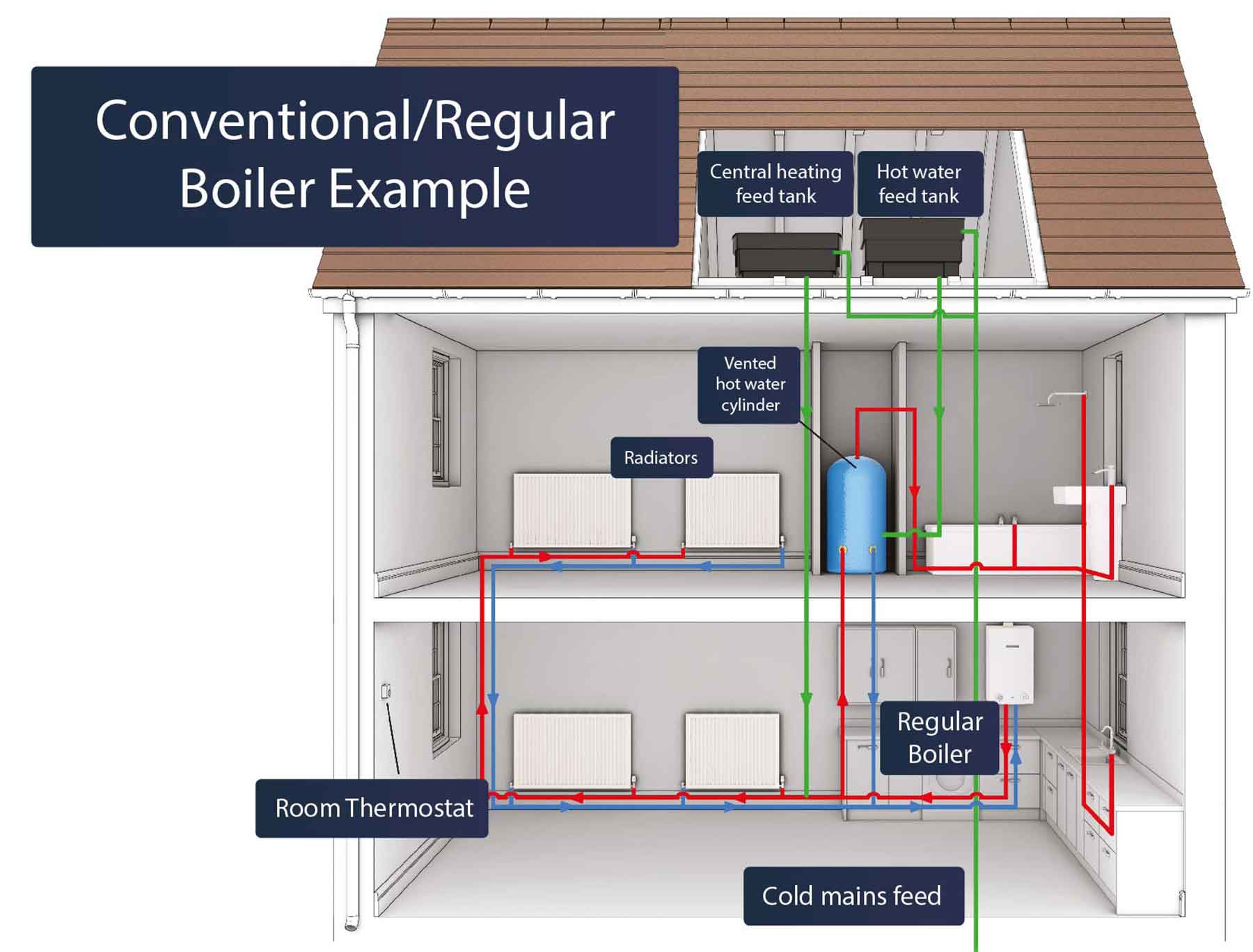
- Conventional (or Regular) Boilers: The traditionalists! These also use a hot water cylinder and often have an additional cold water storage tank (usually in the loft). They’re the old-school setup, often found in older, larger homes. If it ain't broke, don't fix it, right?
Why Do We Even Need These Things?
Because nobody likes living in an igloo! Boilers provide central heating, a concept that's actually been around in various forms since Roman times (those clever Romans and their hypocausts!). Before boilers, heating involved multiple fireplaces, lots of smoke, and definitely no consistent room temperature.
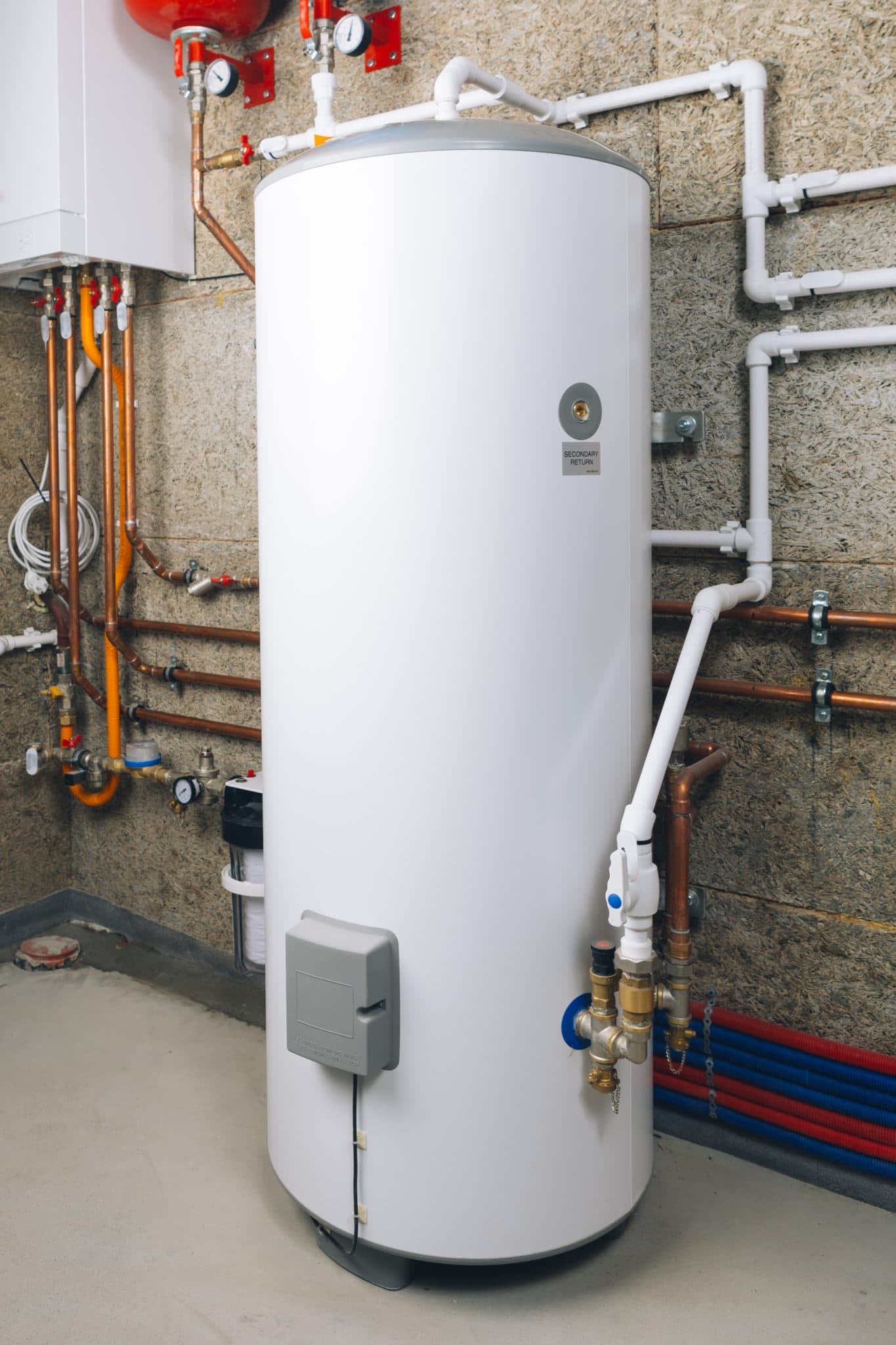
Your boiler gives you consistent, controllable warmth. It’s what allows you to brave those winter mornings without turning into a human popsicle. It transforms a chilly house into a cozy sanctuary, making it possible to exist comfortably, wear light clothing indoors, and not have to huddle around a single heat source.
A Nod to Our Unsung Hero
So, the next time you feel that lovely warmth permeating your living room, spare a moment of gratitude for your boiler. It might be tucked away in a cupboard, basement, or utility room, quietly huffing and puffing away, but it’s working tirelessly to keep you comfortable.
It’s not glamorous, it’s not flashy, but without this ingenious invention, our homes would be a lot less hospitable. It’s the invisible, hardworking backbone of our domestic comfort, ensuring that even on the coldest days, your home is a warm, welcoming haven. Truly, the heart of your home's cozy ecosystem!