
What Is A 10 Out Of 12 As A Grade

Hey friend! Ever stared at a piece of graded work and seen a "10/12" scrawled across the top, wondering what secret code it unlocks? Don't worry, you're not alone. It's definitely not a secret agent designation (though wouldn't that be cool?). Let's crack this code together!
Decoding the 10/12 Mystery
Basically, 10/12 is just a fraction. Gasp! I know, fractions, right? But stay with me, it's less scary than it sounds. The "10" is the score you received, and the "12" is the total possible points. Think of it like this: you were playing a quiz game, and there were 12 questions. You nailed 10 of them. Awesome job!
So, how do we figure out what that actually means as a grade? Time for some math! (Don't run away! I promise, it's painless... mostly.)
Must Read
The Conversion Process: From Fraction to Fabulous Grade
Okay, here’s the magic formula: Divide your score (the numerator - that's the top number) by the total possible points (the denominator - the bottom number), and then multiply the result by 100. Bam! You've got a percentage.
In our 10/12 example, it looks like this:
10 ÷ 12 = 0.8333 (approximately)
0.8333 x 100 = 83.33%

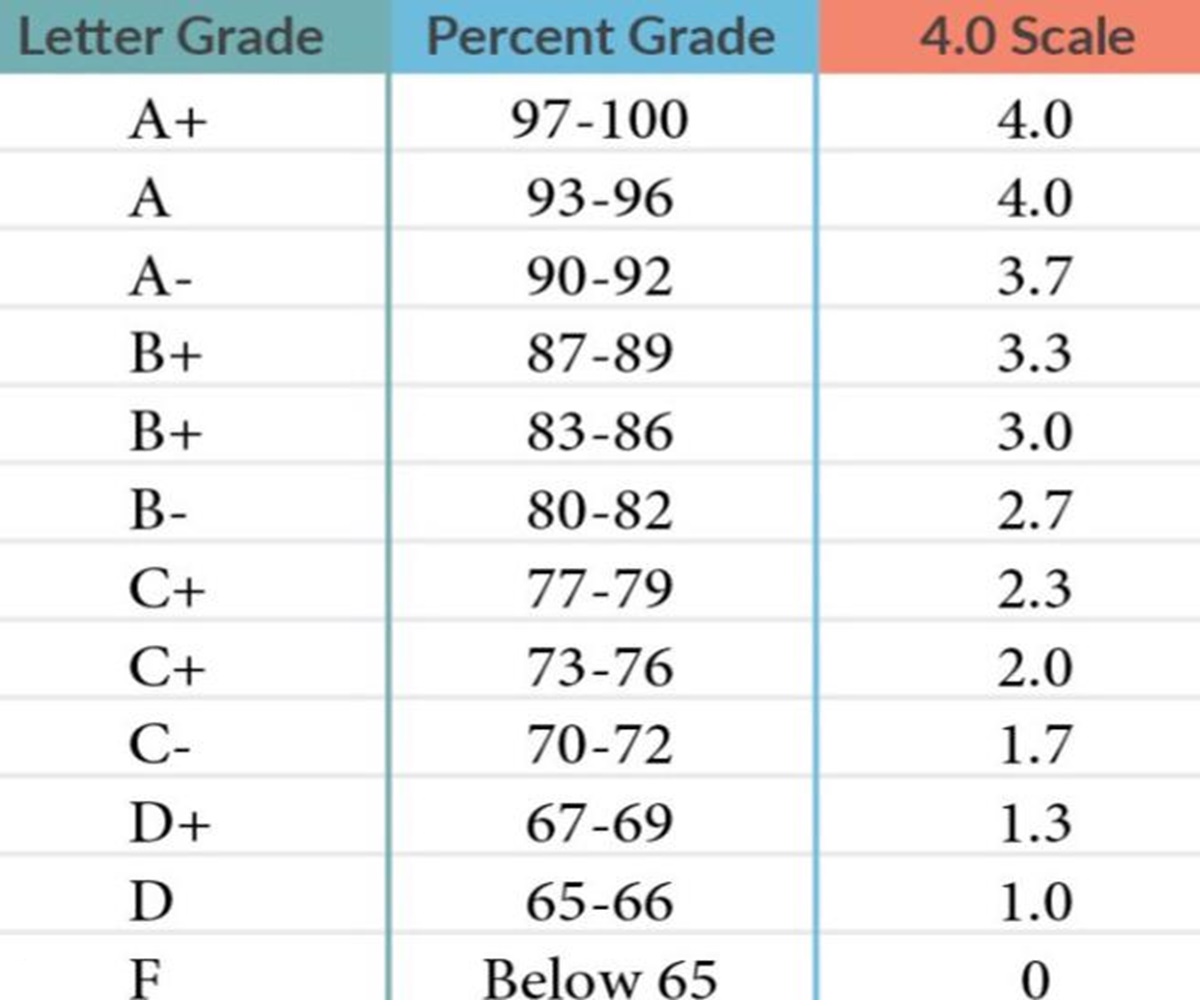
So, 10/12 is roughly equal to 83.33%. Now, what does that translate to? Well, that depends on the grading scale your school or teacher uses. But generally speaking...
What Letter Grade Are We Talking Here?
Grading scales can vary wildly – like the difference between pineapple on pizza lovers and everyone else (ahem, I'm kidding... mostly). However, a typical grading scale might look something like this:
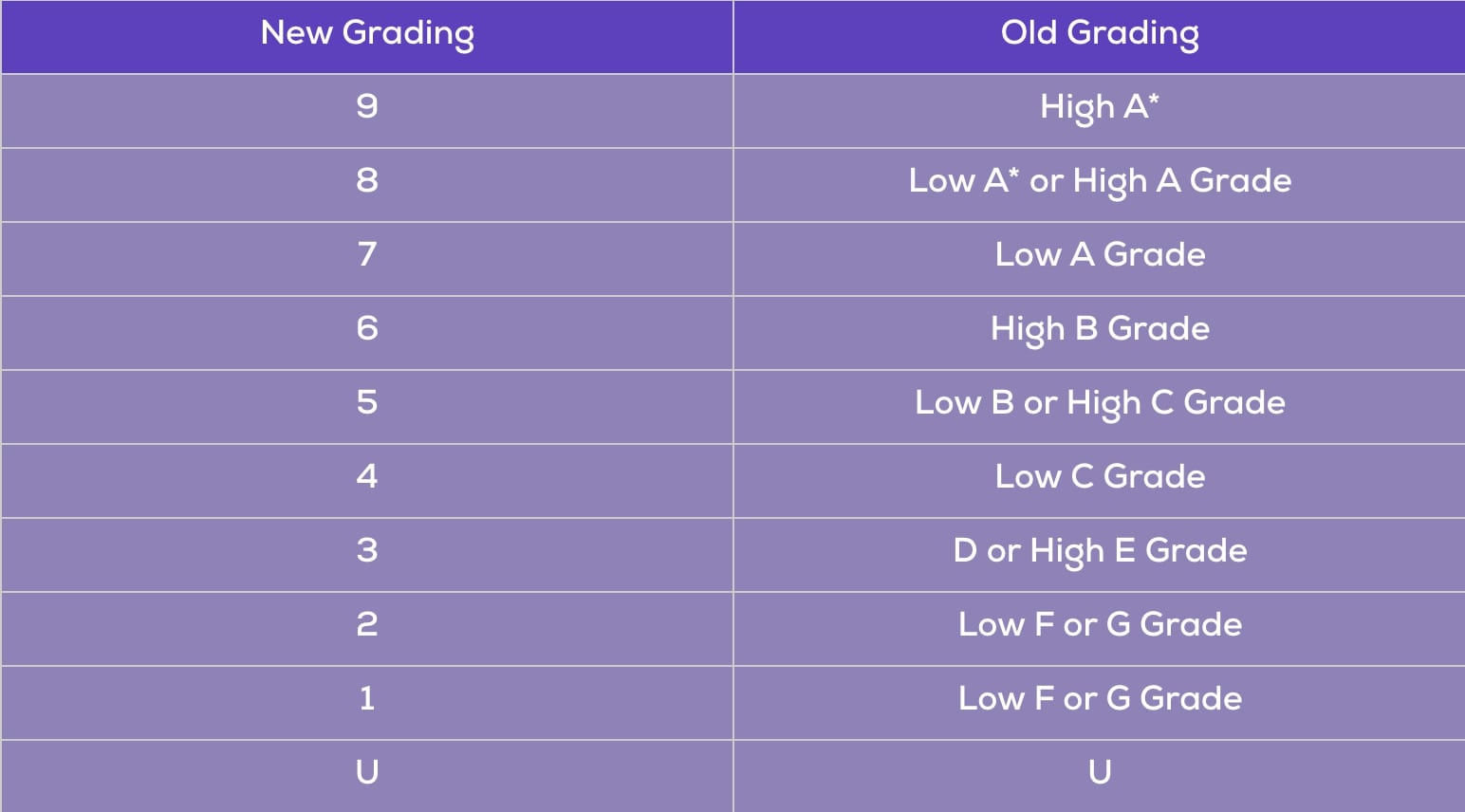
- 90-100%: A
- 80-89%: B
- 70-79%: C
- 60-69%: D
- Below 60%: F
Based on this scale, an 83.33% (from our 10/12) would land you squarely in the B range. Not bad at all! In some cases, it could even be a B+, depending on how fine-grained the grading scale is.
Important Caveats and Considerations (aka, the Fine Print)
Before you start celebrating your B (or B+!), remember these key things:
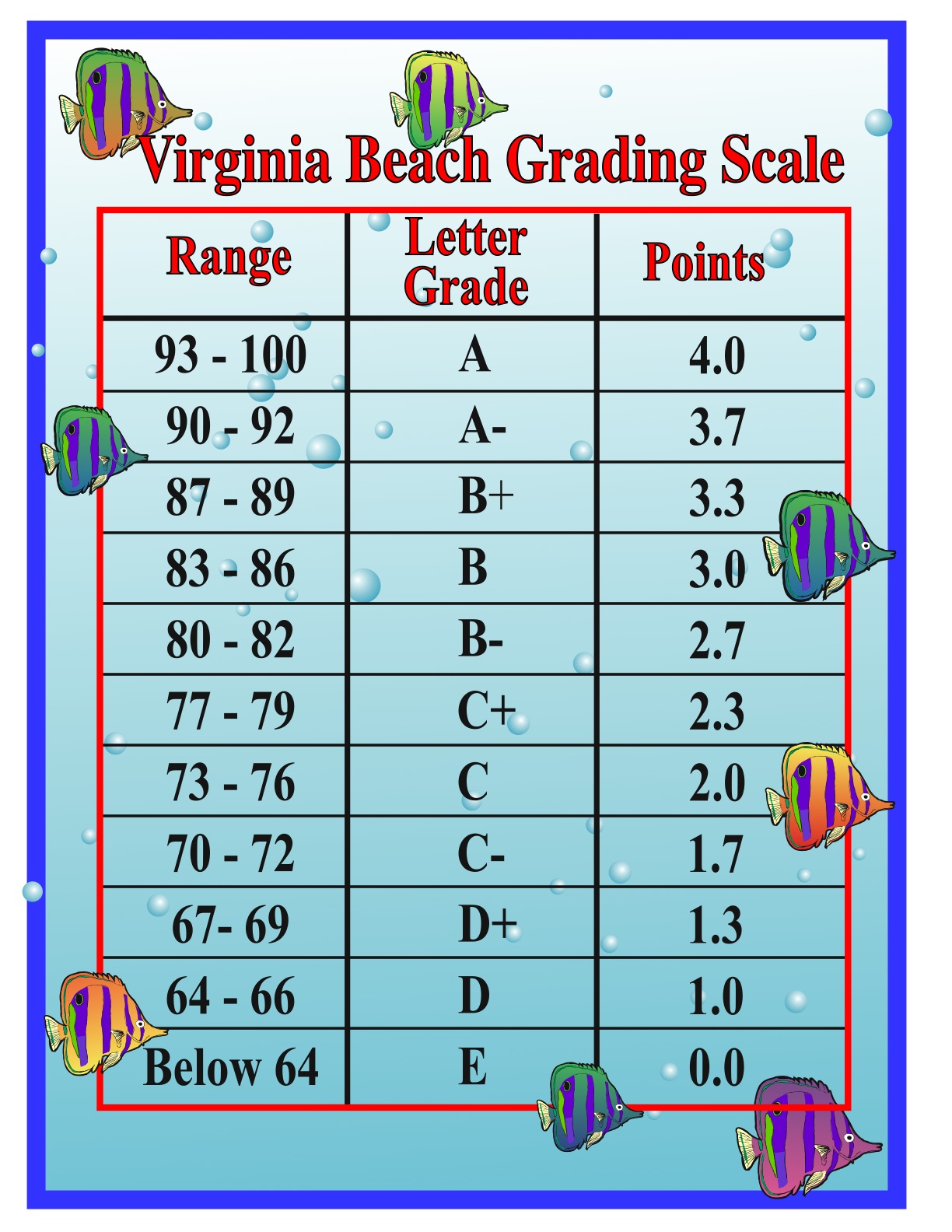
- Grading scales aren't universal. Check your school's or teacher's specific scale. They might use a different system.
- Weighting matters. Was this assignment a small quiz worth very little, or a major exam worth a huge chunk of your grade? A 10/12 on a minor assignment has less impact than on a major one.
- Rounding rules. Some teachers round up, some round down, and some use the dreaded "round to the nearest whole number" rule. Ask for clarification if you're close to a grade boundary.
For example, if this 10/12 was on extra credit (worth maybe 1% of your total grade!), that would be a good thing. If it's an important midterm paper, then you will want to talk with your instructor on how you can improve.
Beyond the Numbers: Focusing on Learning
While understanding your grades is important, try not to get too hung up on the numbers. Focus on the learning process. Did you understand the material? What could you have done better? Grades are just one form of feedback, and the real goal is to expand your knowledge and skills. Think of them as milestones on your journey to becoming an awesome, knowledgeable human being! Plus, a lot of incredibly successful people didn't have perfect grades in school. True story!
So, next time you see a 10/12, you'll know exactly what it means. You’re equipped to translate it, understand its context, and – most importantly – use it as a stepping stone for future success. Keep learning, keep growing, and remember that you're capable of amazing things! You've got this!