What Invention Made The Use Of Petroleum More Popular
Ah, the open road! Is there anything quite like the feeling of freedom you get from a road trip? The wind in your hair (or what's left of it!), the endless miles stretching before you, the carefully curated playlist blasting from the speakers… For millions, the ability to travel freely and explore new horizons is an essential part of life. But have you ever stopped to think about what makes all that possible? The answer, in large part, lies beneath the surface, literally – in the black gold we call petroleum.
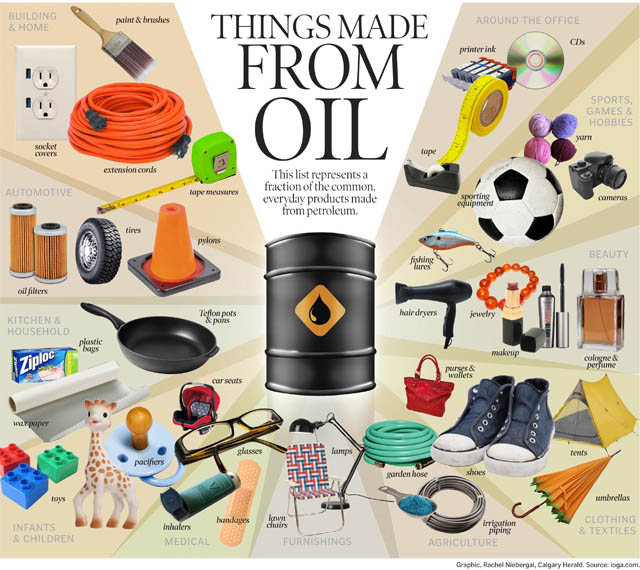
Before we dive into the specifics, let's acknowledge why petroleum is so crucial. Simply put, it powers our world. From the gasoline in our cars to the plastics in our phones, from the asphalt on our roads to the fertilizers that grow our food, petroleum-based products are everywhere. The benefits are undeniable: efficient transportation, readily available energy, and a vast array of materials that make our lives easier and more comfortable. It allows us to connect with loved ones across distances, access goods and services globally, and pursue opportunities that were unimaginable just a century ago.
But while the discovery of petroleum itself was a game-changer, it was the invention of the internal combustion engine that truly catapulted its popularity. Before the internal combustion engine, petroleum was primarily used for lighting and lubrication. It was a niche product, overshadowed by other fuel sources like coal and whale oil. However, the internal combustion engine, which burns fuel to generate power, created an insatiable demand for a readily available and energy-dense fuel – and petroleum fit the bill perfectly. Suddenly, everyone needed gasoline!
Must Read
Think about it. The first commercially successful automobile, the Benz Patent-Motorwagen, relied on gasoline. As automobiles became more affordable and accessible, the demand for gasoline skyrocketed. And it wasn't just cars! Airplanes, trucks, motorcycles, and even farm equipment all adopted the internal combustion engine, further solidifying petroleum's position as the king of energy. Without this engine, petroleum might have remained a relatively obscure resource. Now, you see it at every gas station, fueling not just personal vehicles, but also the trucks that deliver groceries, the planes that carry packages across the world, and even the generators that provide electricity in remote areas.
So, how can you, as a responsible consumer, enjoy the benefits of petroleum more effectively? While the long-term future may lie in alternative energy sources, there are steps we can take today to reduce our reliance and minimize our environmental impact. Consider these practical tips:
- Drive efficiently: Maintain your vehicle, avoid aggressive driving, and combine errands to reduce fuel consumption.
- Choose fuel-efficient vehicles: When purchasing a new car, prioritize models with good gas mileage or consider hybrid or electric options.
- Support public transportation: Whenever possible, opt for buses, trains, or subways to reduce your carbon footprint.
- Reduce plastic consumption: Choose reusable alternatives to single-use plastics, which are often derived from petroleum.
- Be mindful of energy consumption: Conserve electricity at home and at work to reduce the demand for petroleum-based power generation.
By making small changes in our daily lives, we can all contribute to a more sustainable future while still enjoying the conveniences that petroleum-powered technologies provide. Remember, responsible consumption is key to ensuring that future generations can also explore the open road and experience the world around them.