
What In Your House Uses The Most Electricity
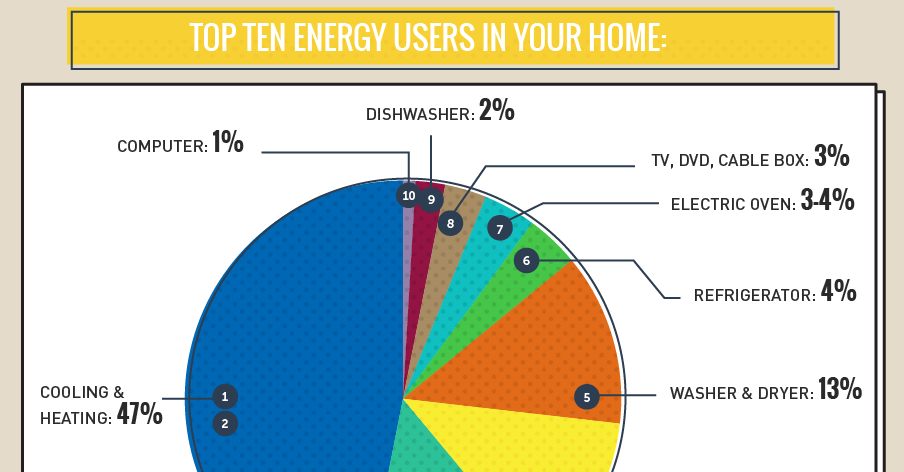
Ever wondered what's secretly guzzling the most electricity in your humble abode? It's like a real-life mystery, isn't it? Let's dive in and uncover the electrifying culprit!
The Usual Suspects: Appliances Under Scrutiny
Okay, let's gather the usual suspects. We've got the fridge, the TV, the lights, and that old gaming console you swear you'll sell someday. But which one is the biggest energy hog?
Think about it. Your fridge is always on. Like, always. That constant hum is the sound of electricity bills adding up.
Must Read
And what about your air conditioner? In the summer, it battles heat like a superhero. But even superheroes need a lot of energy!
The Fridge: A Chilling Contender
Yes, the refrigerator is a major player in the electricity game. It keeps your food fresh, but at what cost? That constant temperature regulation demands serious power.
Older models are notorious energy vampires. Seriously, they drink electricity like it's a vintage wine. If your fridge is older than your car, it's time for a serious upgrade!
Consider this: energy-efficient refrigerators are not just a trend; they are a necessity. They're like swapping your gas-guzzling truck for a sleek, electric car.
Air Conditioning: A Cooling Champion
When summer hits, air conditioning becomes essential. Especially if you reside in a hot region. But those refreshing cool breezes come at a price.
Central air conditioning systems are particularly thirsty for power. They cool down your entire house. Think of it as trying to cool down the entire Sahara Desert with a handheld fan!
But don't despair! There are ways to tame this energy monster. Smart thermostats and proper insulation can make a big difference.
Heating Systems: The Winter Warmers
In the colder months, heating systems take center stage. Furnaces and space heaters work hard to keep you cozy. They keep the shivers away, but at what electrical expense?
Electric furnaces are especially notorious for their energy consumption. It takes a considerable amount of electricity to produce heat. It's like trying to boil an ocean using a tea kettle!
Consider a heat pump, if you live in a moderate climate. Heat pumps transfer heat rather than generate it. Efficiency is key to lower energy bill.
The Undercover Culprit: Hidden Energy Hogs
Now, let's shine a light on the hidden energy hogs. These are the appliances that might not seem like much, but they quietly drain power in the background. Think sneaky ninjas of electricity consumption!
We're talking about things like phone chargers, TVs in standby mode, and that old desktop computer you forgot to turn off. They are quietly sipping energy, even when they're not in use. They're not on the top of your mind, are they?
Phantom Loads: The Silent Energy Thieves
Phantom loads, also known as vampire loads, are a serious concern. These are the devices that continue to draw power even when turned off. That's right, your appliances are plotting against your wallet even while you sleep!
Phone chargers are prime examples of phantom loads. Leaving them plugged in when your phone is fully charged is like throwing money out the window. Small drops in the bucket can add up after all.
Unplugging these devices when not in use is an easy way to save energy. It is like kicking those sneaky ninjas out of your house and saving some precious money!
Water Heaters: A Steaming Surprise
Water heaters might not be the first thing that comes to mind. But they are surprisingly large energy consumers. After all, hot showers are a modern luxury!
Traditional water heaters constantly heat water in a tank. This constant heating leads to significant energy losses. Especially if your tank is not insulated properly.
Consider a tankless water heater for improved efficiency. They heat water on demand, eliminating standby heat loss. Think of it as having a personal hot water concierge.
Lighting: A Bright Idea, or a Dim One?
Lighting is an obvious energy consumer. Especially if you're still using old incandescent bulbs. They radiate heat and waste a lot of energy.
Switching to LED bulbs is one of the easiest ways to save energy. LEDs use significantly less power and last much longer. A light bulb revolution indeed!
Smart lighting systems offer even more control. You can dim the lights, set timers, and even control them remotely. Think of it as having your own personal lighting engineer!
The Winner (or Loser?) Is...
Alright, drumroll please! It's time to reveal the biggest electricity hog in your house. So who takes the (not so glorious) crown?
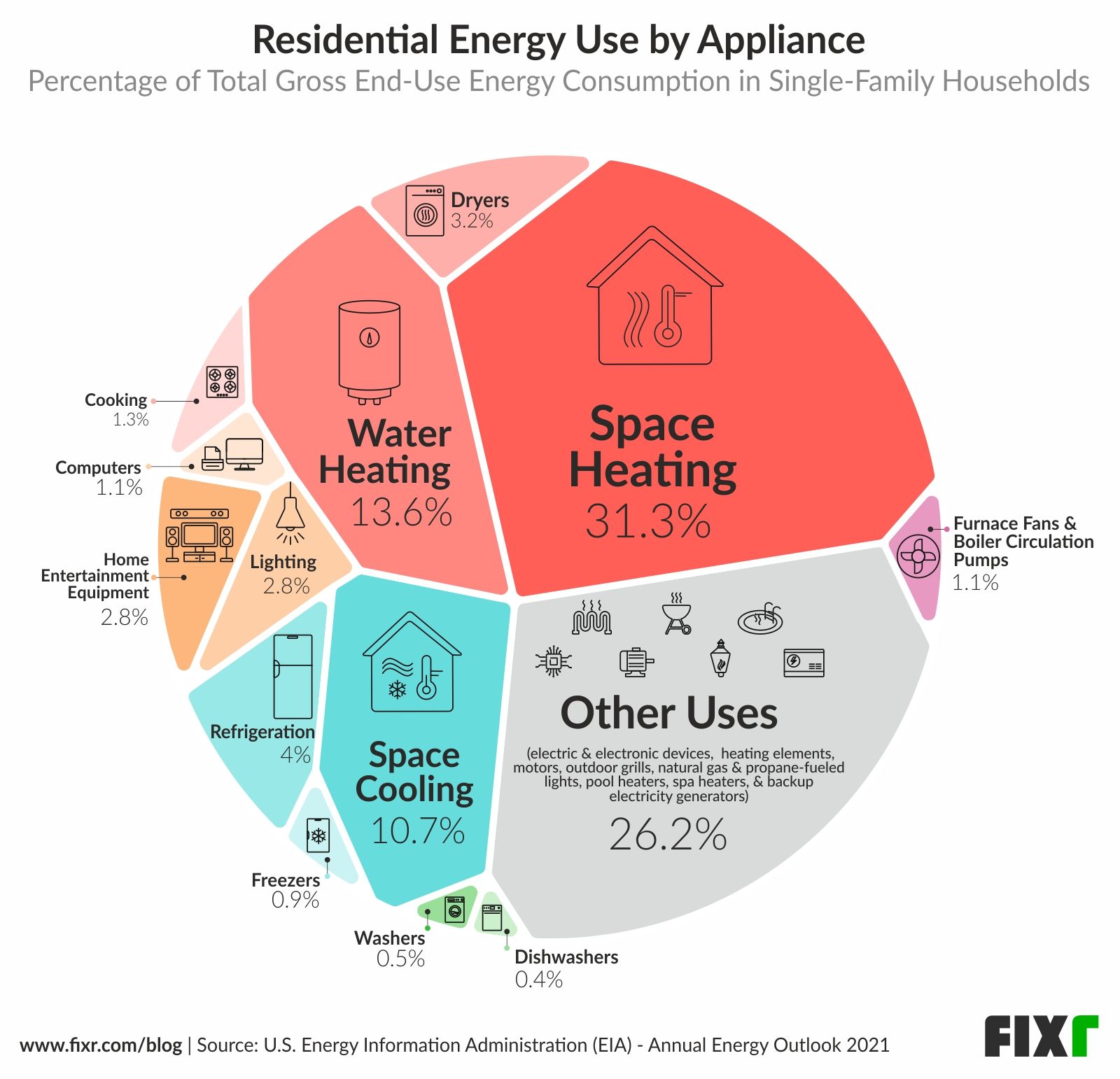
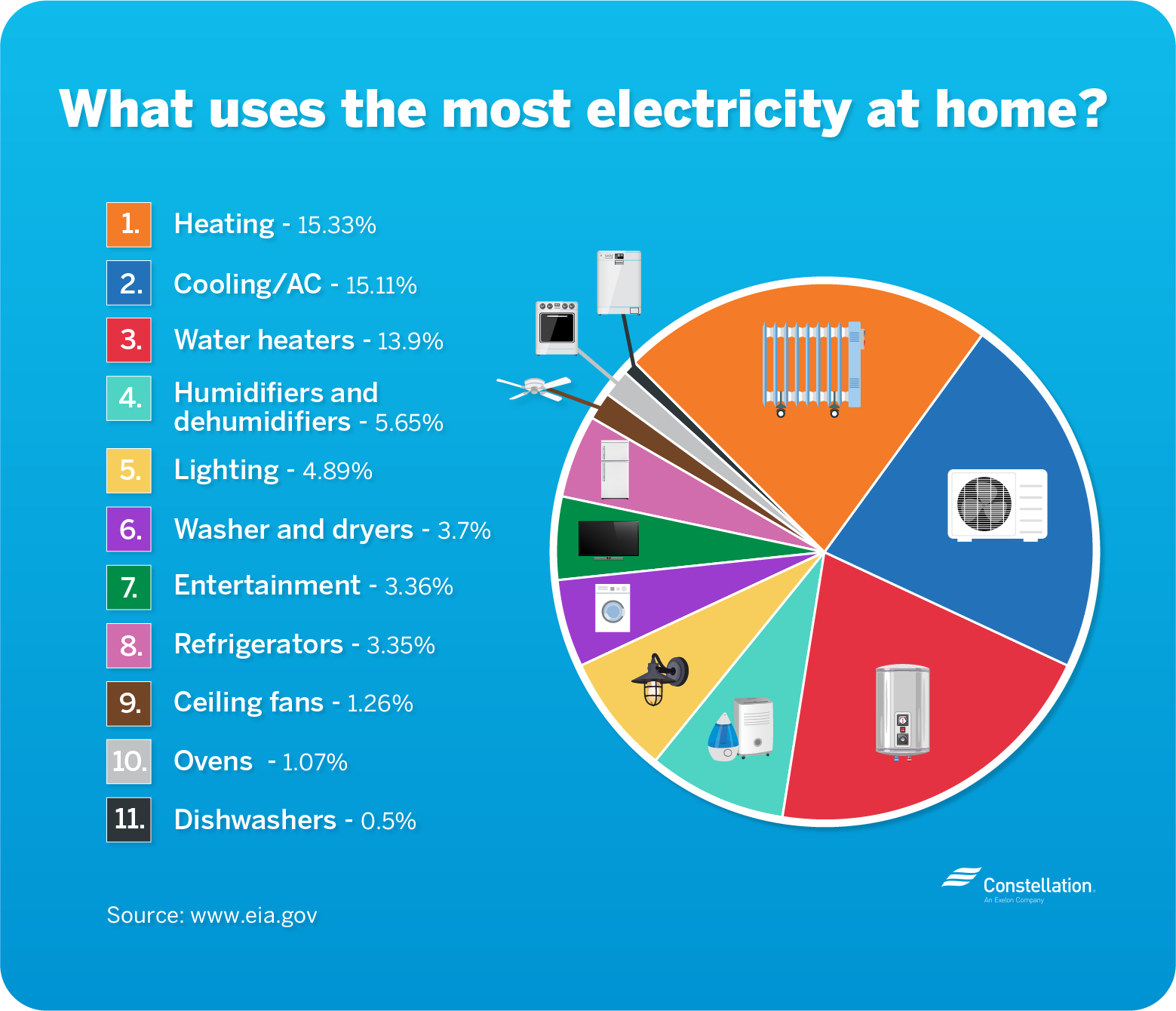
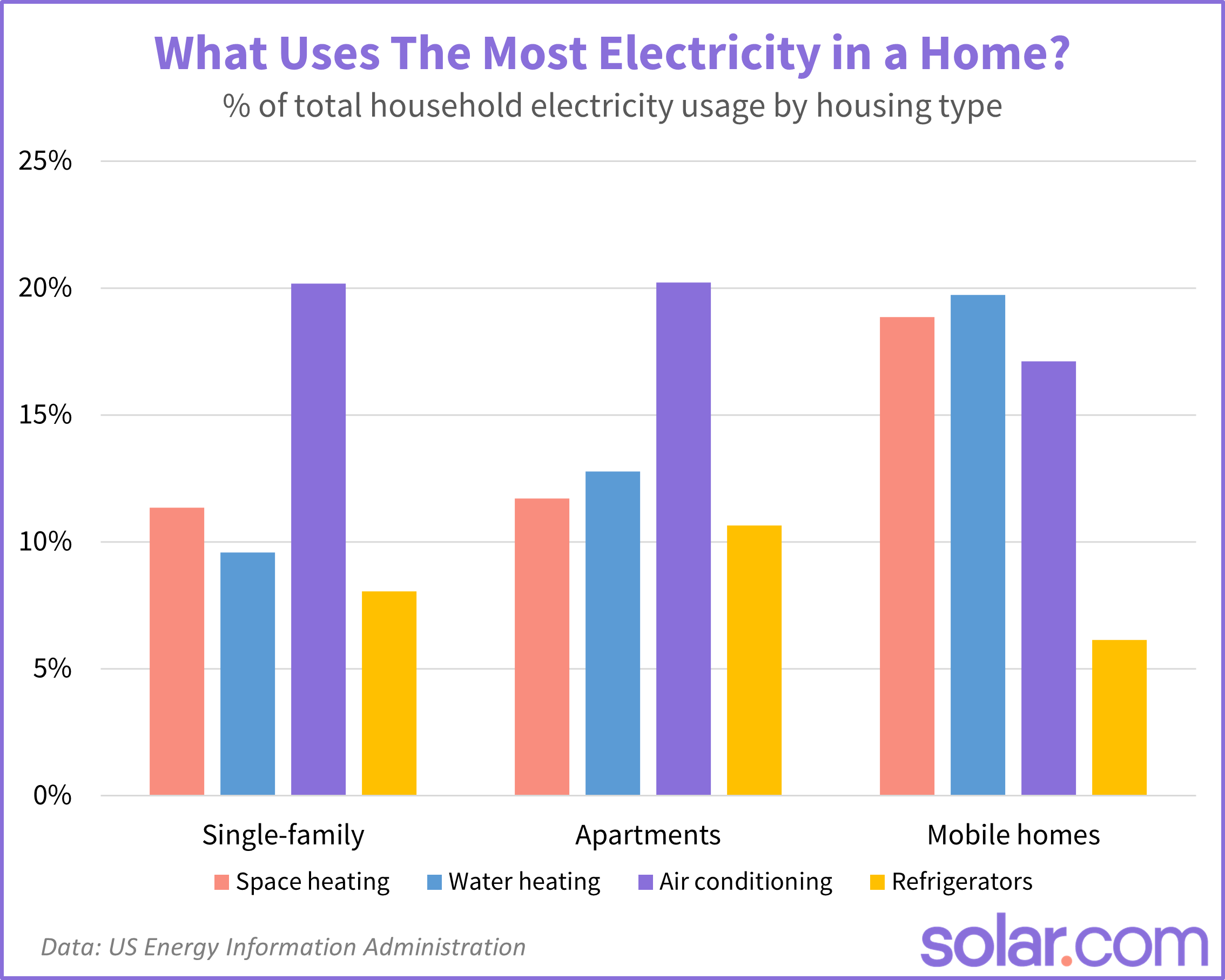
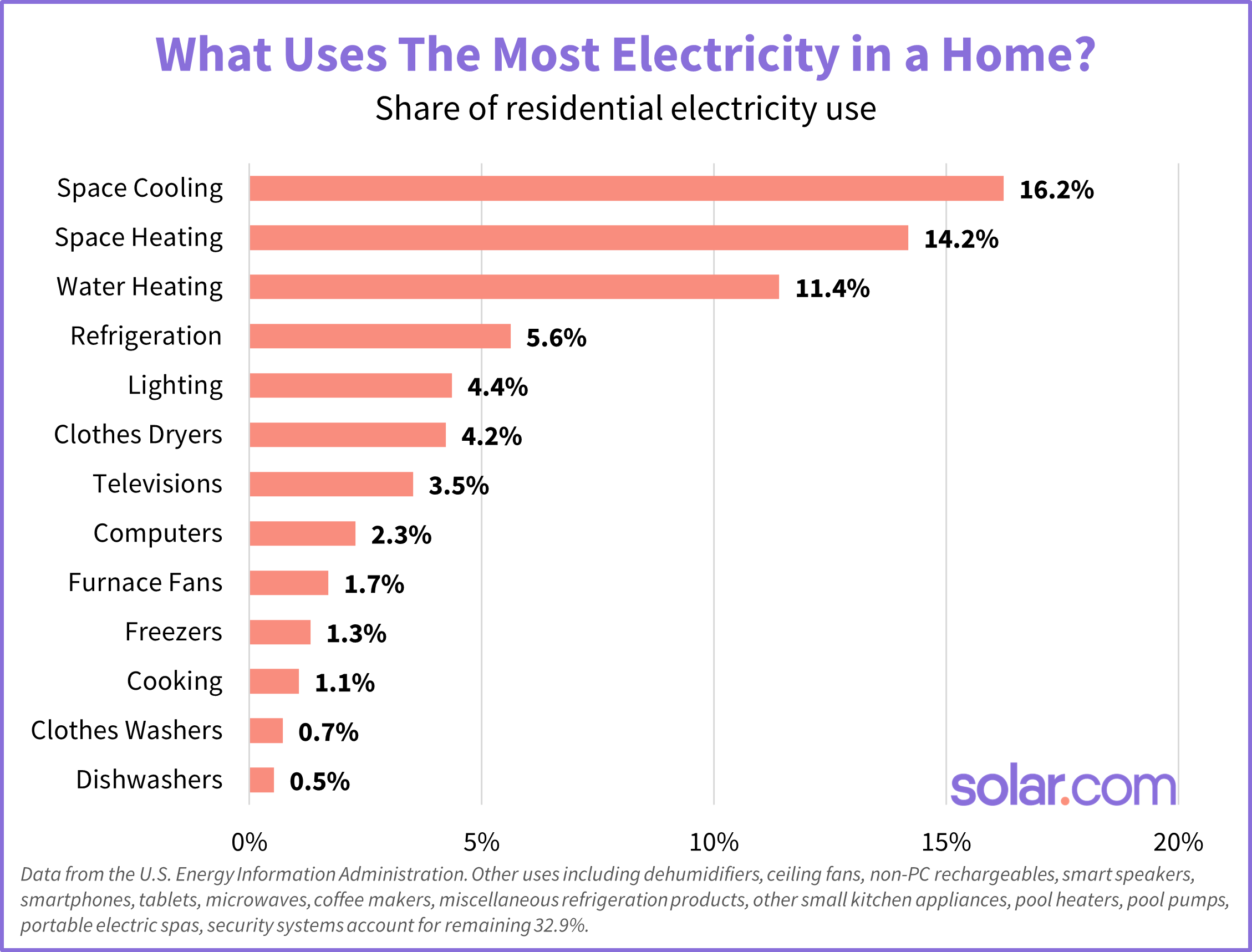
In most homes, heating and cooling systems tend to consume the most electricity. Especially central air conditioning and electric furnaces. Their high energy demands make them the champions of electricity consumption.
However, it's important to remember that energy consumption varies depending on your lifestyle, climate, and appliances. Your mileage may vary!
Become an Energy Detective: Tips and Tricks
Ready to become an energy detective and uncover the hidden electricity hogs in your own home? Here are a few tips and tricks to get you started.
Use an energy monitor to track your electricity consumption. These devices provide real-time data on how much energy your appliances are using. It's like having a spyglass into the energy consumption of your house.
Conduct an energy audit to identify areas where you can save energy. Many utility companies offer free or low-cost energy audits. It's like having a professional energy detective examine your home!
Pay attention to energy labels when purchasing new appliances. Look for the Energy Star label, which indicates that the appliance meets certain energy efficiency standards. This is the easiest way to pick a winner!
Simple Steps for Big Savings
Saving energy doesn't have to be complicated. Here are some simple steps that can make a big difference. Think of them as the building blocks of energy conservation.
Unplug electronics when not in use. This eliminates phantom loads and saves energy. It is like disconnecting the energy vampires and sleeping soundly at night.
Use a programmable thermostat to regulate your home's temperature. This can save energy on heating and cooling costs. It is like having a smart assistant manage your comfort levels.
Seal air leaks around windows and doors. This prevents drafts and reduces energy waste. It is like wrapping your house in a cozy blanket, keeping heat inside and cold outside.
Embrace Energy Efficiency: A Win-Win Situation
Embracing energy efficiency is a win-win situation. You save money on your electricity bills and reduce your environmental impact. It is like saving the world, one light bulb at a time!
Energy efficiency is not just about saving money. It's about creating a more sustainable future. It's about reducing your carbon footprint and preserving resources for future generations.
So, let's all become energy detectives and embrace energy efficiency. Together, we can make a difference. One small step at a time!
The Final Word: Be Energy Smart!
So, now you know the secrets of electricity consumption in your home. Remember, knowledge is power. Use this newfound knowledge to take control of your energy bills and make a positive impact on the environment.
Be energy smart. Be an energy detective. And most importantly, have fun while you're at it!
Happy energy saving!