
What If I Smell Gas In My House

Ever had that moment when you’re just pottering around your house, maybe humming a tune, perhaps even debating if it’s too early for a snack, and then — whoa — your nose catches something? It's not the leftover pizza, it's not the cat box (hopefully), and it's definitely not the scented candle you just blew out. It’s... something else. Something kinda… rotten?
The Nose Knows, And What It Knows Is Important!
If that "something else" smells like rotten eggs or sulfur, your friendly neighborhood gas company has probably added a special little scent to natural gas, which is naturally odorless. Think of it as nature's invisible alarm system, but instead of a loud siren, it’s a distinct and rather unpleasant aroma. We call it mercaptan, and it’s basically saying, "Hey! Pay attention to me!"
You might chuckle, thinking, "Rotten eggs? Gross!" But that particular smell is no joke, even if the thought of it makes you wrinkle your nose. It's the universe's way of giving you a big, stinky heads-up that there might be a gas leak, and that’s a signal we absolutely, positively need to heed.
Must Read
Why Is This More Than Just a Bad Smell?
Imagine your house is like a cozy, happy little bubble. Now imagine a tiny, invisible party crasher sneaking in. That's natural gas. While it’s super useful for heating our homes and cooking our dinners, if it builds up in an enclosed space, it stops being helpful and starts becoming a serious safety concern. We're talking about risks like:
- Fire and explosions: A spark from a light switch, a phone ringing, or even shuffling your feet on a carpet could be enough to ignite a concentration of gas. Suddenly, your cozy bubble isn't so cozy anymore.
- Health hazards: Breathing in too much natural gas can also lead to symptoms like dizziness, nausea, headaches, and in extreme cases, unconsciousness. It displaces oxygen, making it harder for you to breathe safely.
So, when your nose detects that "rotten egg" scent, it’s not just a minor inconvenience like finding a forgotten banana peel. It’s more like your smoke detector going off. You don’t think, "Oh, I'll deal with that later." You act. And quickly!
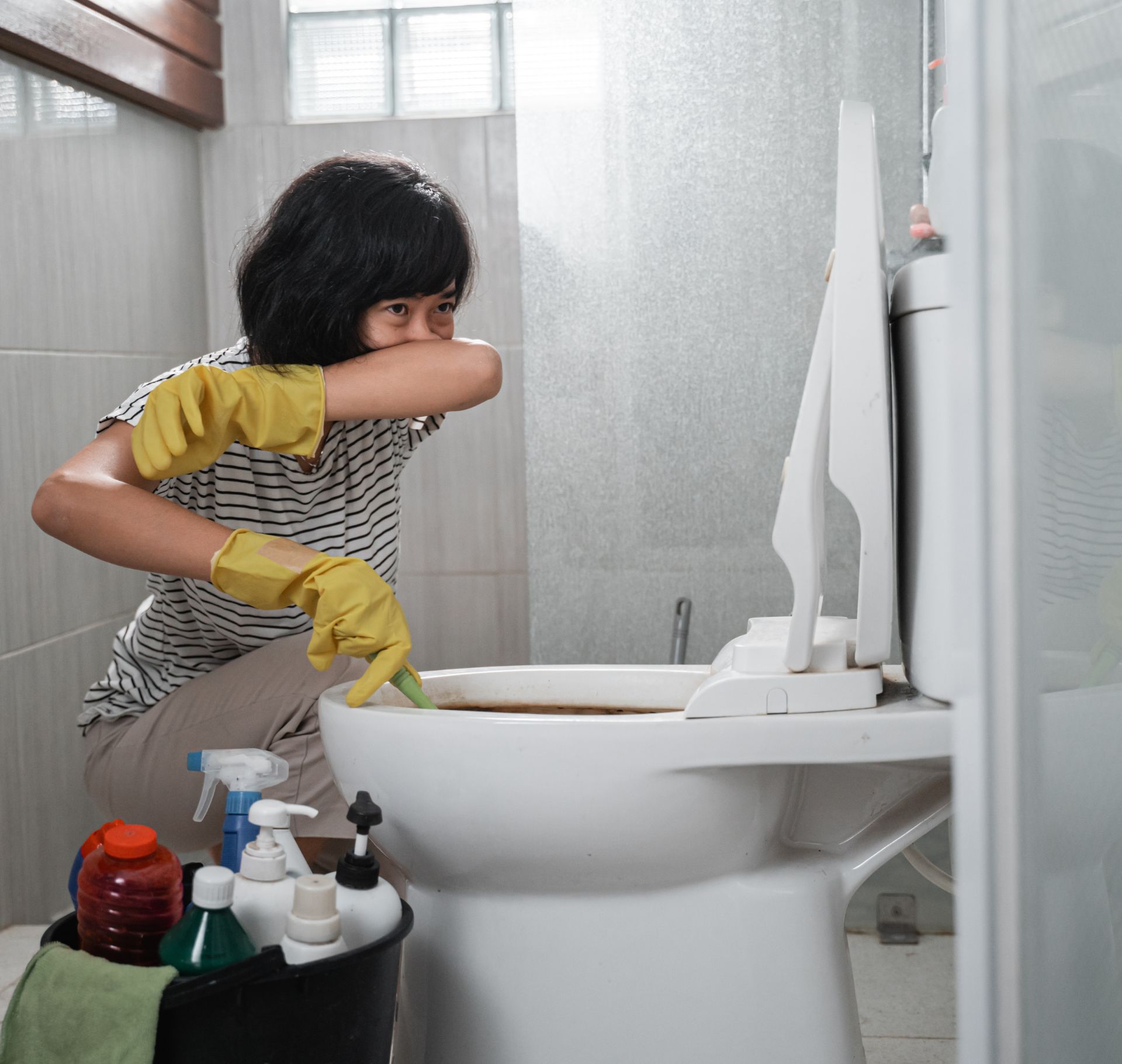
Okay, My Nose Is Tingling. What Do I Do?!
Alright, deep breaths (but not too deep if you can help it!). This isn't a drill to panic; it's a drill to act. Here’s your simple, no-fuss playbook:
1. Don't Be a Detective, Be an Evacuator!
Your first and most important job is to get out of the house immediately. Don't try to find the source. Don't go looking for your lucky socks. Just grab your loved ones (human and furry alike), your keys, and your phone, and head for fresh air. Think of it like a polite but firm exit from a party that just got a little too wild.

2. Hands Off the Switches!
This is crucial: do not turn on or off any lights, appliances, or electronics. No flicking switches, no unplugging things, no using your cell phone inside the house. Remember that spark risk we talked about? Even the tiny spark from a light switch can be enough. So, resist the urge to illuminate your escape route or grab a quick selfie. Your safety is more important than your Instagram feed.
3. Leave Doors and Windows As They Are.

It might seem counter-intuitive, but for a strong gas smell, don't waste time trying to air out the house. Your priority is to leave. Opening windows or doors won't immediately solve the problem and might even spread the gas to other areas. Just get out.
4. Phone a Friend (or, you know, the Gas Company).
Once you’re safely outside and a good distance away from your home, it’s time to make that call. You can ring your local gas company's emergency line (it's usually a 24/7 service, and the number is often on your bill or readily available online), or you can dial 911. Tell them you smell gas. They'll dispatch professionals who know exactly what to do and how to do it safely.

5. Wait for the Pros.
Do not, under any circumstances, go back inside your house until a qualified professional tells you it's safe. They have the right equipment and expertise to handle the situation. Waiting can feel frustrating, like waiting for popcorn to pop, but it’s for your own good. They'll make sure your home is gas-free and safe before you step foot back in.
You've Got This!
Gas leaks are rare, but knowing what to do if you ever catch that tell-tale rotten egg smell makes you a certified home safety superhero. It’s all about listening to your nose, acting quickly, and letting the experts handle the tricky stuff. So, go forth, enjoy your home, and remember that when it comes to a strange smell, sometimes, it’s better safe than sorry!