
What If A Ticks Head Stays In

Alright, picture this: You’ve just spent a glorious day out in nature, maybe hiking, gardening, or just attempting to identify that weird bird in your backyard. You get home, shower, and then, gasp, you find it. A tick. Ugh. You grab the tweezers, take a deep breath, and pull. Relief washes over you… until you look closer. Oh. My. Goodness. The head stayed in!
It’s that moment where your stomach does a little flip-flop, your brain immediately jumps to worst-case scenarios, and you feel like you've suddenly become a character in a low-budget horror movie. You poke at it, you stare at it, you probably even whisper-scream at it, wondering what fresh nightmare this is.
The Immediate Freak-Out (Totally Normal, BTW)
First off, let's just acknowledge the sheer, unadulterated ick factor. It’s like when you try to peel a price sticker off a new gadget, and it just rips, leaving that stubborn, sticky residue behind. Only this residue is… well, it used to be part of a tiny, blood-sucking arachnid. So, yeah, gross.
Must Read
You might be thinking, "Is it going to reanimate? Is it going to lay eggs inside me? Am I going to wake up with a tiny tick body growing out of my arm, like some kind of bizarre, miniature B-movie monster?" Let's just put those fears to rest right now. Take a deep, calming breath. Your imagination is running wild, probably fueled by too many late-night sci-fi movies and not enough sleep.
Myth-Busting Time: What It Isn't
Let's debunk some common tick-head-staying-in myths right away, because frankly, life is stressful enough without imagining a tick's head plotting world domination from under your skin.
-
It won't grow a new body. Nope. That's not how biology works for ticks. It's just a mouthpart, not a self-replicating organism.

What Happens If The Tick's Head Stays Stuck In Your Skin? - Insects and -
It won't lay eggs. Again, no. The head isn't where the magic happens for tick reproduction. You're not incubating a tick nursery, I promise.
-
It's probably not going to transmit diseases now. The primary risk of disease transmission comes from the tick's body and salivary glands, which (thankfully!) you removed. While a tiny bit of residual salivary gland might be present, the risk drops significantly once the main body is gone.
So, you can ditch the alien invasion soundtrack playing in your head.
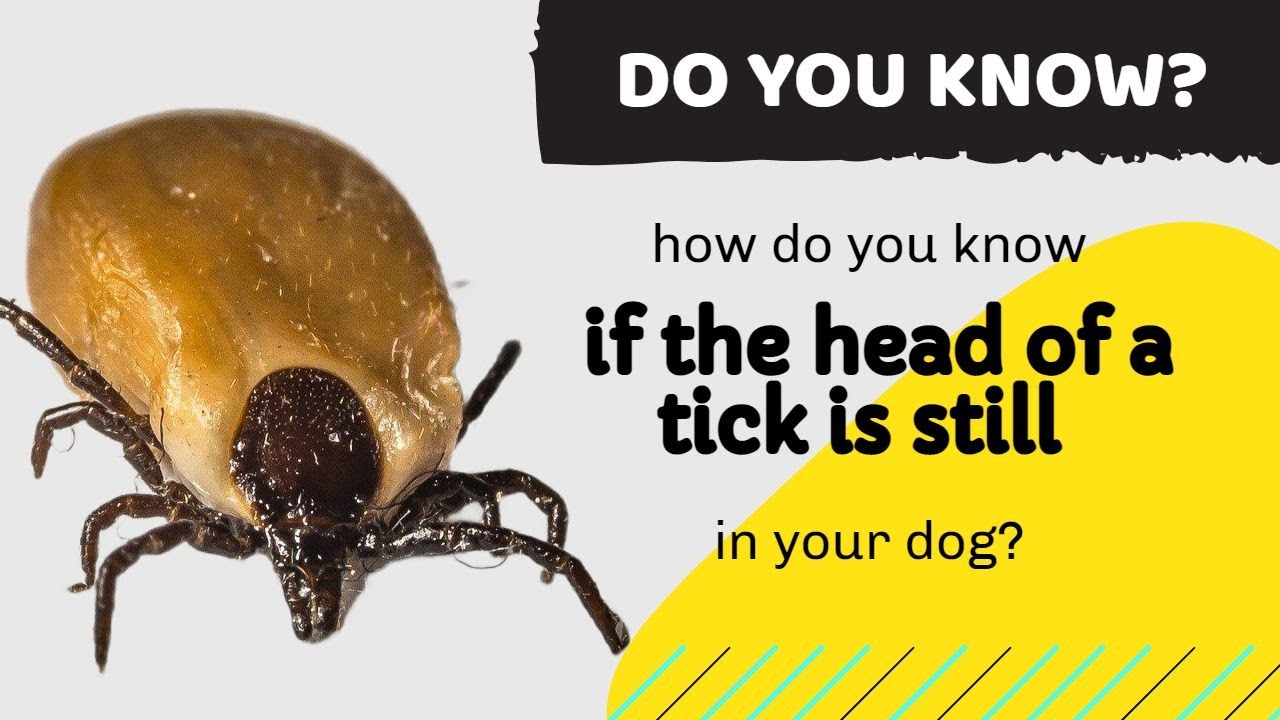
What’s Actually Happening (And Why Your Body is Awesome)
When a tick's head (or, more accurately, its mouthparts) stays embedded, think of it less as a ticking time bomb and more like… a really, really stubborn splinter. Or that annoying little piece of lint that always finds its way into your belly button. It’s a foreign object.
And guess what? Your body is an absolute champion at dealing with foreign objects. It sees that tiny tick head and thinks, "Hey, what's this unsolicited guest doing here? Time for them to leave!"
Your immune system, the unsung hero of your internal world, will kick into gear. It’ll send in the clean-up crew – those amazing white blood cells – to essentially surround the unwelcome visitor and gently, but firmly, escort it out. Often, it just pops out on its own within a few days or a week, almost like a tiny pimple forming and then resolving.
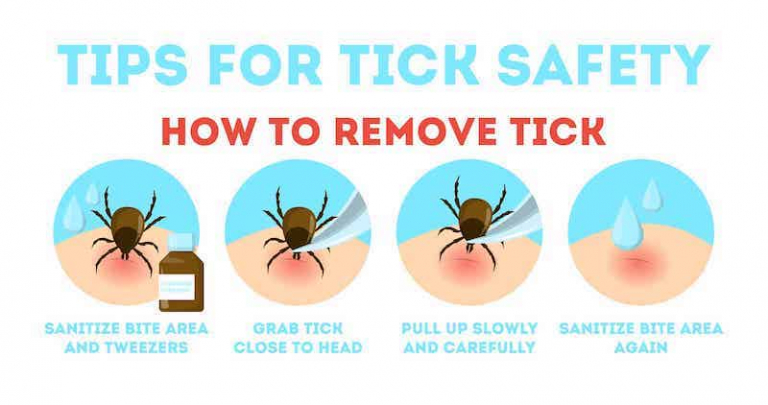
What You Should Do (Relaxed Edition)
Okay, so now that we've established it's not the end of the world, what should you do? The advice is pretty chill, honestly.
-
Clean it up. Wash the area with soap and water. Maybe even dab on a little antiseptic like rubbing alcohol or iodine. Think of it like cleaning a tiny cut – basic wound care is your friend here.
-
Leave it alone. Seriously, try not to pick at it with tweezers or needles. You might push it deeper, irritate the skin, or introduce new bacteria. Let your body do its job. It’s got this.
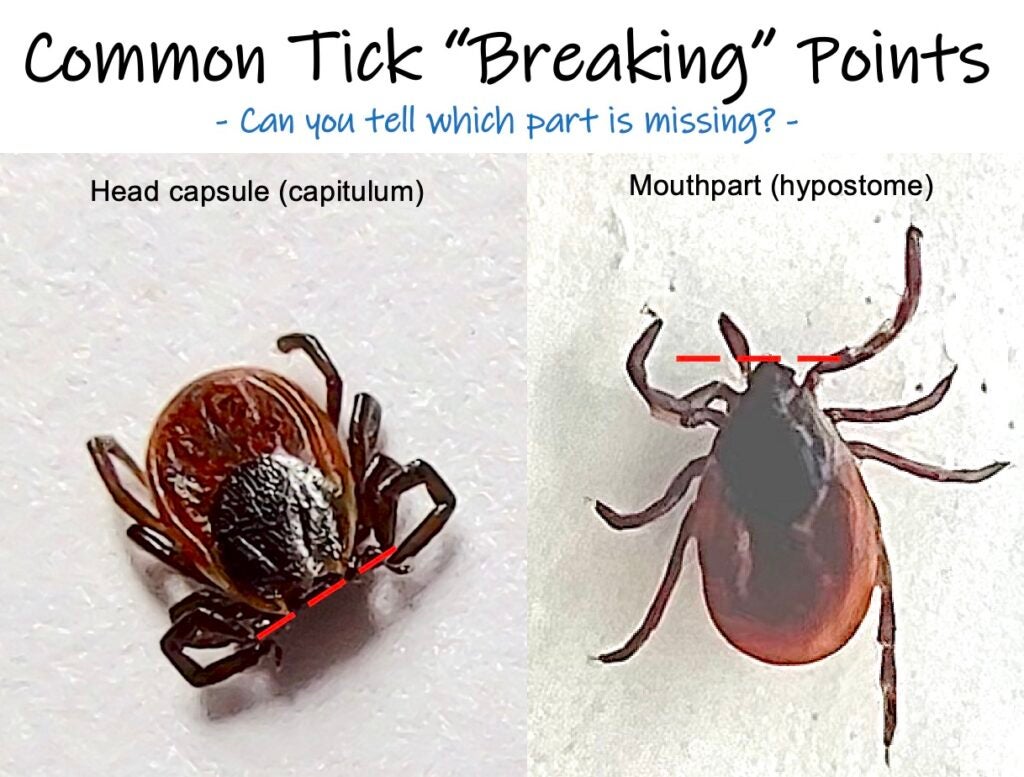
TickSmart Tips – TickEncounter -
Watch it. Keep an eye on the area. Just like any minor irritation, you're looking for signs of infection: redness that spreads, increased swelling, warmth, pus, or if it feels particularly painful. If you see any of those, that's when you might want to give your doctor a quick call. But typically, it just resolves on its own.
The Takeaway: You're Stronger Than a Tick Head!
So, the next time you find yourself in the slightly grotesque, mildly panicked situation of having a tick's head stay in, take a breath. Remind yourself that it's just a tiny, inanimate piece of critter, and your amazing body is already working on showing it the door.
It’s a common occurrence, usually completely harmless, and more of a nuisance than a medical emergency. You survived finding the tick in the first place, you survived pulling it out (mostly!), and you'll definitely survive this. Go forth, enjoy nature, and maybe just double-check those hidden spots a little extra next time. You're practically a seasoned tick-removal pro now!