
What Helps With Dust In House
.png?format=2500w)
Ever walk into a sunbeam and notice all those tiny specks dancing in the air? Or perhaps you've felt that familiar sigh as you spot a fuzzy layer on your coffee table just days after cleaning? You're not alone! Dust is one of those wonderfully universal, slightly annoying parts of home life. But instead of seeing it as a relentless foe, what if we approached it with a bit of curiosity? Understanding "what helps with dust in the house" isn't just about achieving a spotless home; it's about uncovering the tiny mysteries of our living spaces and finding clever ways to make them more comfortable and healthier. It's surprisingly relevant, because who doesn't want to breathe a little easier and spend less time wiping?
The primary purpose of diving into dust management is straightforward: to create a cleaner, more pleasant, and ultimately healthier indoor environment. The benefits are numerous and truly impactful. Imagine less sneezing, fewer allergic reactions for sensitive family members, and generally improved air quality. When you understand the sources and best methods for dust control, you're not just wiping away dirt; you're actively reducing allergens like pet dander, dust mites, and pollen that hitch a ride indoors. This means a palpable difference in your daily comfort, potentially better sleep, and more free time because your cleaning efforts become more efficient and effective. It's about working smarter, not harder, against those microscopic intruders.
So, where does all this dust come from anyway? It’s a fascinating mix! Think of your home as a tiny ecosystem. Dust is a cocktail of things like dead skin cells (yours and your pets!), fabric fibers from clothes, carpets, and upholstery, outdoor pollutants like pollen and soil particles tracked in, and even microscopic bits from decaying leaves or insects. Understanding these sources is key. For example, knowing that your cozy bedroom duvet and beloved furry friend are major contributors helps you target your efforts. In daily life, this knowledge translates into simple actions: using a good mat at the entryway to capture outdoor debris, regularly washing bedding, or choosing certain flooring over others. It's about recognizing the flow of dust in your home and intercepting it.
Must Read
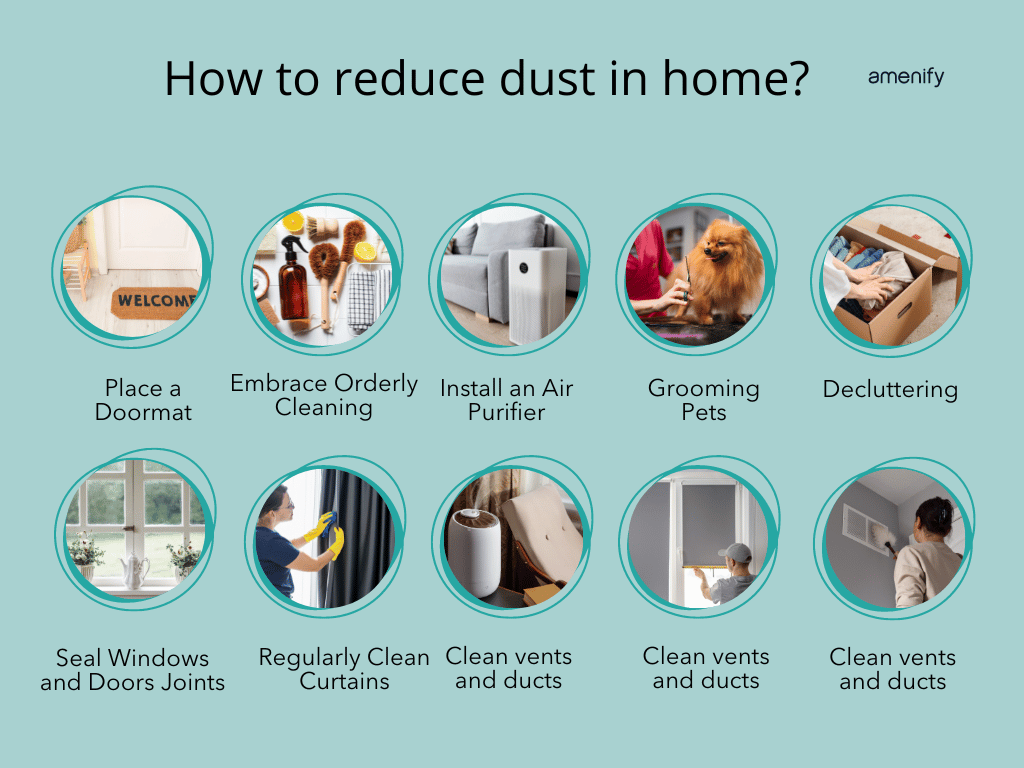
Ready to put your newfound dust detective skills to the test? Here are some practical tips and simple ways to explore what truly helps. First, observe: where does dust seem to accumulate most in your house? Is it near a window, on a particular shelf, or under the bed? This gives you clues. For actual removal, switch to microfiber cloths; their unique fibers grab and hold dust rather than just pushing it around. When dusting, always make it damp dusting – a slightly damp cloth traps particles much more effectively. Consider investing in a vacuum cleaner with a HEPA filter to ensure it's trapping tiny particles rather than recirculating them, and explore air purifiers with HEPA filters for continuous air cleaning.
Beyond tools, think about habits: regularly washing sheets, blankets, and curtains removes accumulated dust. Decluttering surfaces means fewer places for dust to land and fewer items to wipe. Even something as simple as taking your shoes off at the door can make a noticeable difference. Don't be afraid to experiment! Try one new strategy each week and see what works best for your home. You might be surprised at how a little curiosity and a few targeted changes can lead to a noticeably fresher, healthier living space. Happy dusting (or rather, happy dust-reducing)!


![[Infographic] 6 Main Sources Of Indoor Dust! | Rite Touch Maids](https://ritetouchmaids.com/wp-content/uploads/2021/10/Rite-Touch-Maids-scaled.jpg)