
What Happens To The Volume Of Gas During Compression
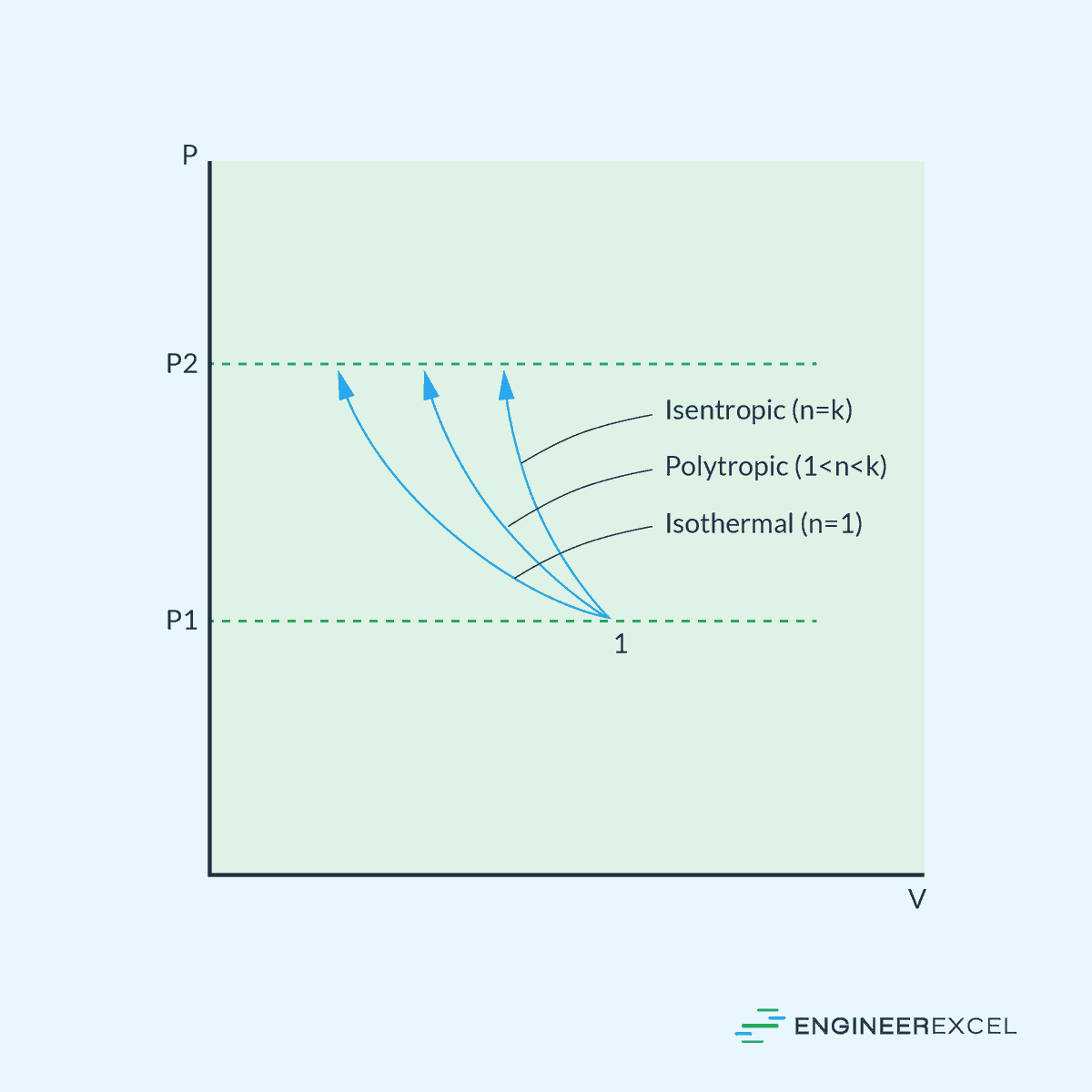
Ever squeezed a balloon and watched it change shape? That's compression at work! We're talking about gases here, those invisible things floating all around us. But what really happens when you squish them? It's more fun than you think!
Gas, Gas, Everywhere!
Gases are like tiny, hyperactive particles bouncing off each other. They're not sitting still! Think of them as tiny, energetic ping pong balls constantly zooming around a room. They fill whatever space they can find.
Now, imagine shrinking that room. That's basically what happens during compression. You're forcing those little ping pong balls into a smaller area. What do you think happens to their party?
Must Read
The Great Squeeze
When you compress a gas, you're reducing its volume. That means the amount of space the gas occupies gets smaller. It’s like trying to fit a whole bunch of dancers onto a tiny stage! Things get pretty crowded pretty quickly!
Think about a bicycle pump. You push the handle down, right? That's compressing the air inside the pump. You're forcing a large volume of air into the smaller space of the tire. Pretty neat, huh?

But here's where it gets interesting. It's not just about shrinking the space. Something else is going on...and it has to do with energy!
The Energy Boost
Remember those hyperactive ping pong balls? When you compress a gas, you're not just making them closer together. You're also making them bounce around faster! They're hitting the walls (or each other) with more force. This increased activity translates to an increase in temperature.
Ever notice how the bike pump gets a little warm when you're inflating your tires? That's the heat generated by the compression. The gas molecules are getting all worked up!
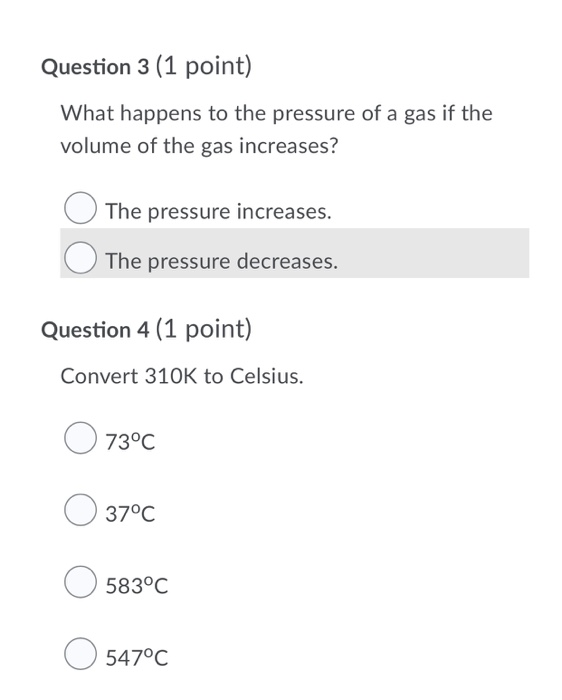
This relationship between volume, pressure, and temperature is described by the gas laws.
Think of Boyle's Law, which states that at a constant temperature, the volume of a gas is inversely proportional to its pressure. Basically, squeeze it harder, it gets smaller!It's like a cosmic dance of cause and effect!
Practical (and Fun!) Applications
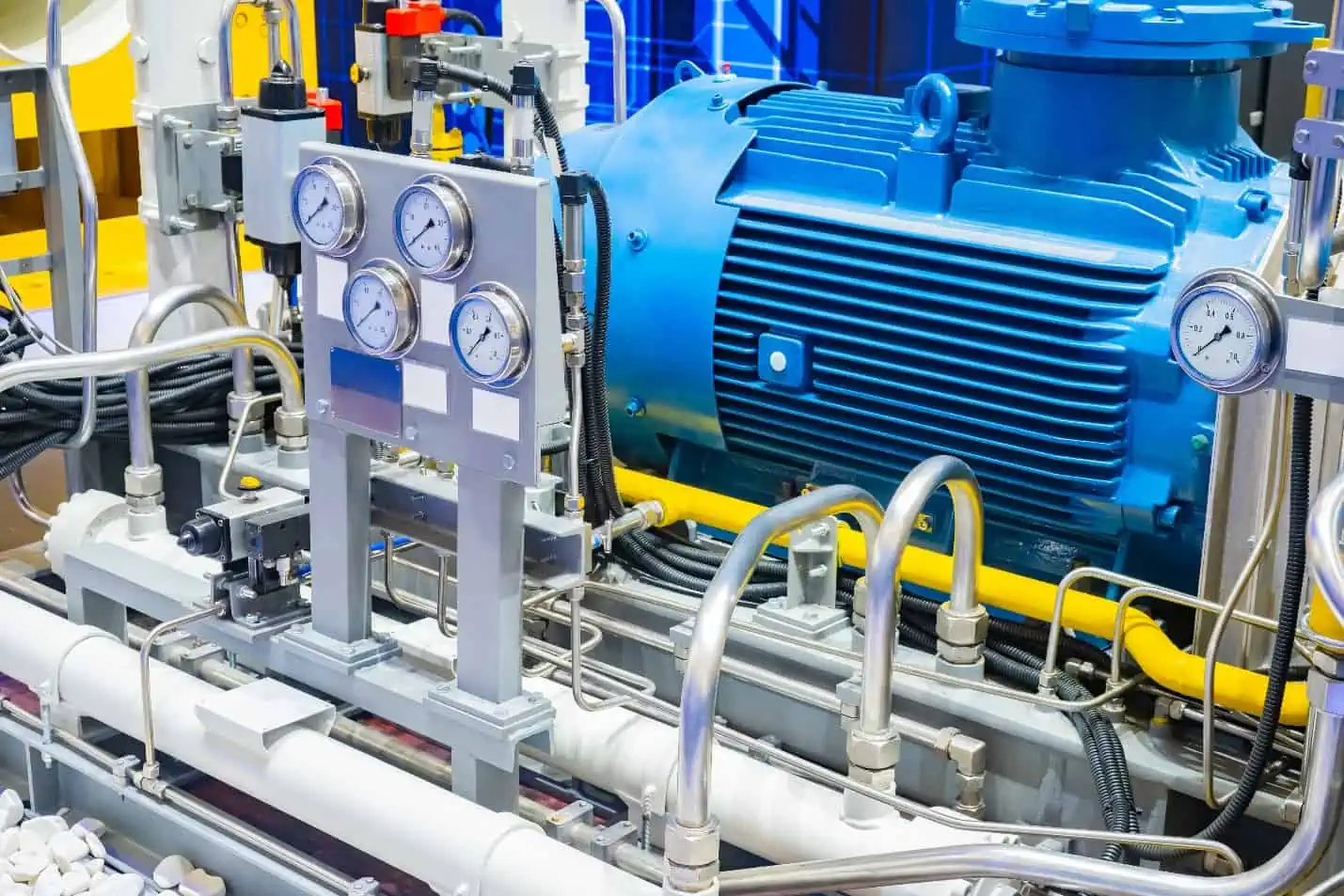
Compression isn't just a theoretical concept. It's used everywhere! Refrigerators, air conditioners, internal combustion engines...they all rely on compressing gases to do their jobs.
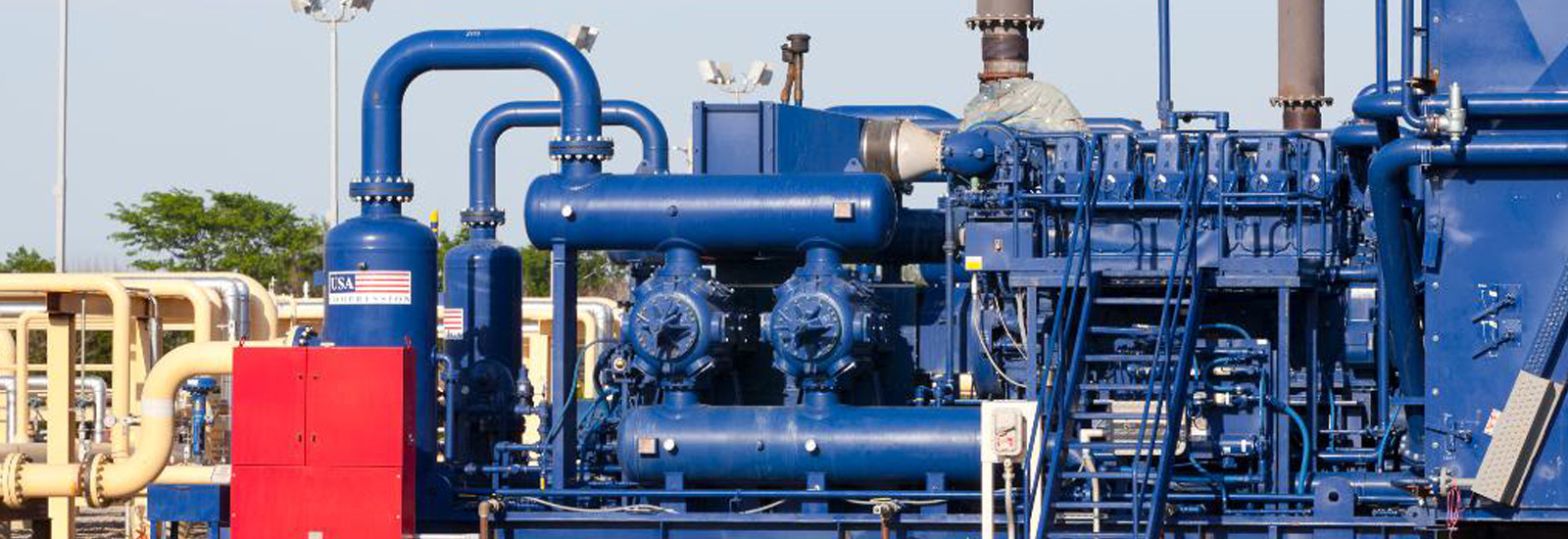
Think about a spray paint can. The compressed gas inside forces the paint out in a fine mist. Or consider the powerful engines in cars and airplanes. They compress air to create the explosive force that drives the pistons.
Even something as simple as a can of whipped cream relies on compressed gas to deliver that delicious topping. It's amazing how something so fundamental can have so many different applications!
Beyond the Basics: Adiabatic Processes
Things can get even more interesting when we talk about adiabatic processes. These are compressions (or expansions) that happen so quickly, there isn't time for heat to be exchanged with the surroundings. This means the temperature changes are even more dramatic!
Clouds forming, for example, involve adiabatic cooling as air rises and expands. It's a key factor in creating those fluffy white shapes we see in the sky. Nature's pretty cool that way.
Ready to Explore?
So, the next time you see a balloon deflate or hear the hiss of compressed air, remember those tiny, hyperactive particles bouncing around. Compression might seem simple on the surface, but it's a fascinating dance of volume, pressure, and temperature. Who knew physics could be so entertaining?
Now go forth and compress something! Just be careful not to pop anything!