What Happens To Solar Panels After 25 Years
So, you've considered going solar, or maybe you already have a shiny array of panels soaking up the sun's rays. That's fantastic! But have you ever stopped to wonder, "What happens to these things after a few decades?" It's a surprisingly interesting question, and understanding the lifecycle of your solar panels can help you make informed decisions and appreciate the long-term benefits of renewable energy.
For beginners thinking about solar, knowing the end-of-life plan adds another layer of confidence. It's not just about generating clean energy now, it's about responsible energy use for the future. For families, thinking about panel lifespan can be a teachable moment about sustainability and responsible technology. And for solar hobbyists, understanding the recycling process is another fascinating aspect of the solar power system.
The common belief is that solar panels stop working completely after 25 years. That's not entirely true! Think of it like your car – it doesn't just vanish after 10 years. What actually happens is that their efficiency gradually declines. Most solar panels come with a 25-year performance warranty, which guarantees a certain percentage of their original output. After that period, they might still be producing 80-85% of their initial power. That's still a significant contribution! Some panels might even last significantly longer, continuing to produce power for 30 years or more, albeit at a reduced rate.
Must Read
So, what are the options when your panels reach the end of their peak performance? Here are a few:

- Repowering: If only some panels are significantly degraded, you can replace those specific panels while keeping the rest of your system intact. This is often the most cost-effective solution.
- Repurposing: The panels, while not ideal for home energy generation, might be perfectly suitable for lower-demand applications like powering a garden shed or providing electricity in off-grid situations. Think about donating them to a community project or a non-profit organization.
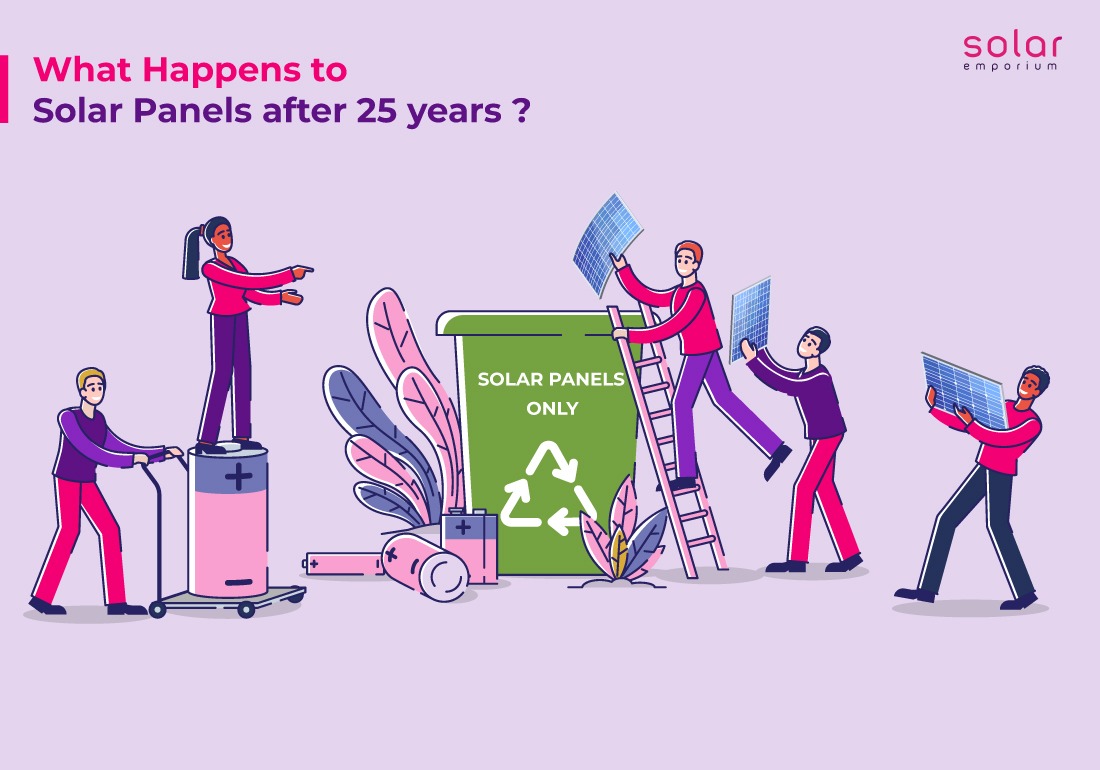
- Recycling: This is becoming increasingly important as more panels reach their end-of-life. Solar panel recycling involves recovering valuable materials like silicon, glass, aluminum, and copper. While the recycling infrastructure is still developing, advancements are being made to make the process more efficient and economically viable. There are specialized recycling companies that handle this process, ensuring responsible disposal and resource recovery.
Here are a few simple tips to think about as you explore solar energy:
- Research panel warranties: Understand the performance guarantee offered by different manufacturers. A stronger warranty can provide peace of mind.
- Inquire about recycling programs: Ask your solar installer about their end-of-life options and their commitment to responsible disposal.
- Keep track of panel performance: Monitoring your system's output over time can help you identify any significant degradation and plan for future replacements.
Ultimately, understanding what happens to solar panels after 25 years highlights the long-term value and sustainability of solar energy. It's not just about generating clean power today, it's about responsible resource management and a cleaner future for everyone. Taking the time to learn about the entire lifecycle of your solar investment ensures that you can enjoy the benefits for decades to come, knowing you're making an environmentally conscious choice.