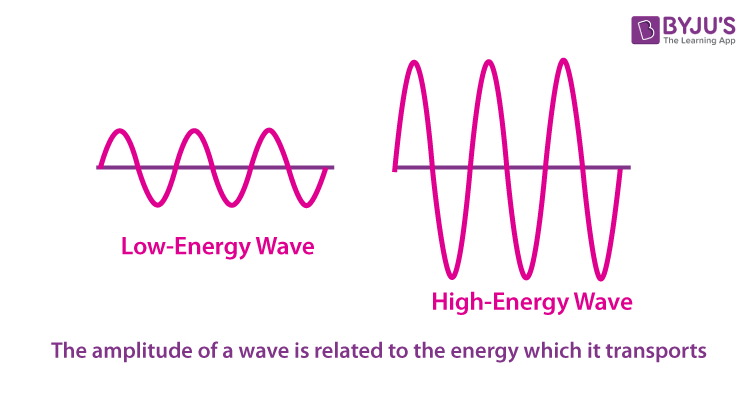
What Happens To A Wave When The Energy Is Absorbed

Ever watched a wave crash on the beach? It’s a glorious moment of wild energy, a salty kiss from the ocean. But have you ever stopped to wonder… what actually happens to all that power when the wave disappears? It's not just "poof, gone!" It's a surprisingly fascinating, and sometimes hilarious, tale of energy transfer.
The Wave's Farewell Tour: Absorption Edition
Imagine a wave as a boisterous houseguest, full of stories and enthusiasm. It arrives on your doorstep (the shore) with a flourish. Now, this houseguest (the wave) has a lot of energy. It’s been traveling a long way, building up steam. But what happens when it enters your house (the beach)? Well, it starts to share that energy around!
First, think about the sand. As the wave crashes, it's essentially giving the sand a vigorous massage. Some of that wave energy gets used to move those tiny grains around. It’s like the houseguest reorganizing your furniture (without asking, perhaps!). This constant movement is what shapes the coastline over time, creating beautiful dunes and shifting shorelines. So, next time you’re building a sandcastle, remember that a wave already put in some serious construction work for you!
Must Read
Then there’s the sound. That satisfying "whoosh" and "crash" isn't just for show. It's actually the wave's energy being converted into sound waves. Think of it as the wave singing its goodbye song. Some of that sound bounces back off the water, creating echoes. Some travels further inland, a subtle reminder of the ocean's presence. It's like your houseguest leaving a voicemail, letting you know they had a great time (and maybe knocked over a lamp in the process).
But it doesn’t stop there! Some of the wave’s energy also goes into heating things up. Ever noticed how the sand feels warm after a wave has receded? That's the wave's energy being converted into thermal energy. It’s a minuscule amount, granted, but it’s still there. It’s like the houseguest leaving the heating on just a little bit, a final act of... consideration? Maybe.

The Unexpected Hosts: Sea Creatures and Coastal Plants
Now, let's not forget the living things. The wave's energy also gets absorbed by seaweed clinging to rocks, barnacles clinging to pilings, and even tiny plankton floating in the water. They brace themselves against the wave's force, and that force becomes part of their own life processes. It’s like the houseguest accidentally powering your appliances with their sheer enthusiasm. "Oops! Sorry I charged your phone with my personality!"
Coastal plants like sea oats and dune grasses are especially good at absorbing wave energy. Their roots help stabilize the sand, preventing erosion. They're like the super-efficient house cleaner who secretly tidies up after your messy friend, all while looking beautiful. These plants are crucial for protecting coastlines and maintaining the delicate balance of the ecosystem. So, give a shout-out to the sea oats next time you see them!
The Case of the Missing Wave: It's Not Really Gone!
So, what happens to a wave when the energy is absorbed? It’s not really "gone," it's just transformed and distributed. The wave's energy becomes the movement of sand, the sound of the surf, the warmth on the beach, and the fuel for coastal life. It’s a beautiful cycle of energy transfer, a constant exchange between the ocean and the land. It's like the houseguest's energy transforming into happy memories, a cleaner house (eventually), and maybe a slightly higher electricity bill.
Next time you see a wave, remember that its journey doesn't end with a crash. It’s just the beginning of a new adventure, as its energy gets shared and transformed, leaving a lasting impact on the world around it. And who knows, maybe some of that energy will even find its way into you, filling you with the same sense of wonder and joy that the ocean inspires. Just try not to rearrange the furniture without asking first!