What Happens If You Inhale Gas
Ever been minding your own business, perhaps topping up your tank, vigorously cleaning the bathroom, or maybe even just enjoying a particularly enthusiastic cooking session, when suddenly — whoosh! — you get a surprise whiff of something… less than pleasant? Your nose twitches, your eyes might water, and for a split second, you wonder, "Did I just accidentally inhale gas?" Don't panic! For most of life's little gaseous encounters, your body is actually a super-sleek, highly sophisticated, and incredibly forgiving machine. Let's peel back the curtain on what really happens when you take an unexpected gulp of something that definitely isn't fresh air.
The Olfactory Ouch! Your Nose Knows
First things first, your magnificent nose is typically your first line of defense, a tiny, furry alarm system that shouts, "Intruder alert!" way before your brain even fully processes what's going on. Whether it's the distinctive, slightly sweet, almost perfume-y scent of gasoline wafting up from the pump – a smell many secretly find a little intriguing, let's be honest – or the sharp, eye-watering tang of bleach from a bathroom scrubbing spree, your nose is on the case. It's like your internal bouncer, immediately flagging anything that doesn't smell quite right.
This isn't just for kicks; it's a critical early warning. Many common gases, like natural gas (which is usually odorized to smell like rotten eggs precisely for this reason!), cleaning fumes, or even exhaust, have distinct aromas. Your nose, with its millions of tiny receptors, is basically saying, "Hey pal, this isn't oxygen, and we need a word!" This initial "olfactory punch" is usually enough to make you instinctively pull back, gasp, or even do a little theatrical cough.
Must Read
The Throat's Tiny Tug-of-War and Lung's Lovely Lunge
So, a bit of that gassy aroma sneaks past the nose bouncer. What then? Your throat is next up, acting like a vigilant gatekeeper. If the gas is irritating, your throat might do a little huff-and-puff, leading to a gentle tickle or even a full-blown cough reflex. This is your body's way of saying, "Nope, not today, buddy!" It’s trying to expel whatever it deems unwelcome before it goes too deep. Think of it as your internal air traffic controller, redirecting the bad stuff out.
"Your body's internal air traffic controller is always on duty, making sure only the good stuff gets clearance!"
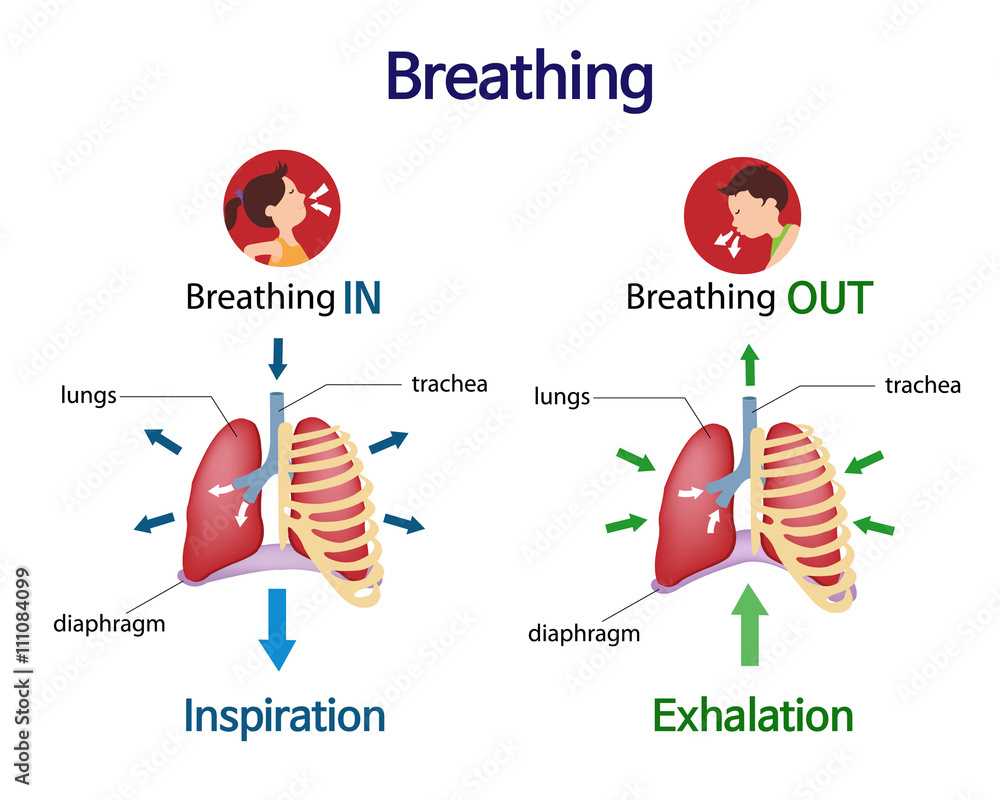
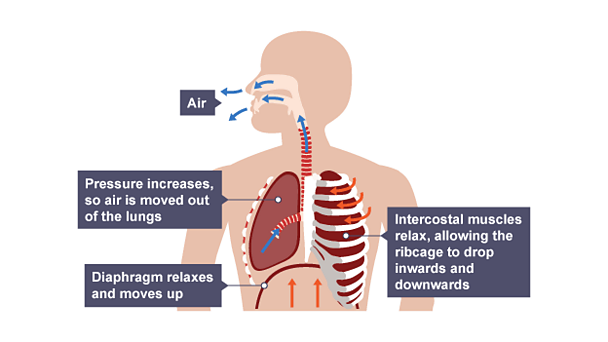
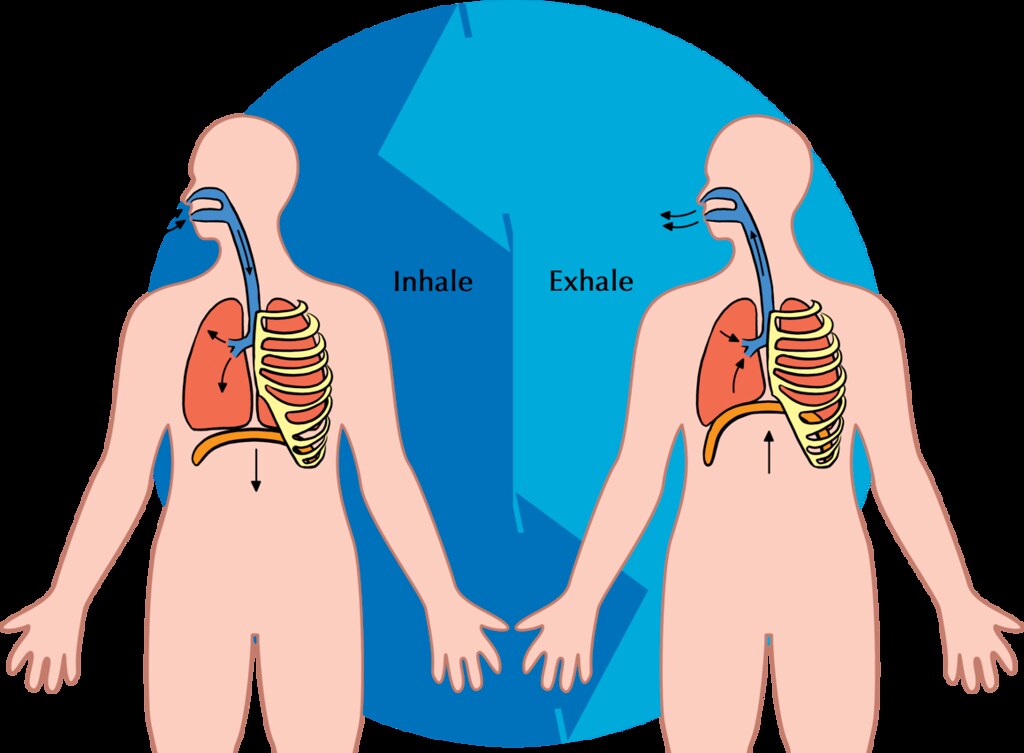
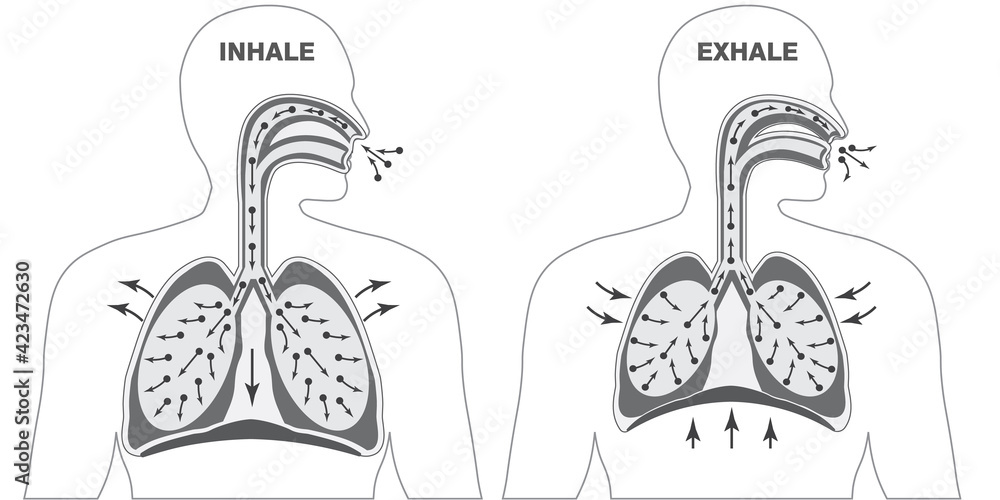
And if a tiny bit manages to sneak into your lungs? For most accidental, brief exposures to typical household or environmental gases, your lungs are incredibly efficient at handling the situation. They don't just sit there twiddling their thumbs! Your lungs are constantly exchanging gases, taking in oxygen and breathing out carbon dioxide. When a small amount of an unwanted gas comes in, they'll usually treat it like a temporary visitor that needs to be shown the door. They'll work overtime for a breath or two, quickly flushing it right back out with your next exhale. It's like a tiny internal spring cleaning!
The Brain's Brilliant Bypass (and When to Just Chill)
When Your Body Says "All Clear!"
For the vast majority of us, a quick whiff of gasoline, a sharp blast of ammonia from a cleaning bottle, or even that distinct whoosh of air when a car drives by, is usually a fleeting moment of "eww" followed by a rapid return to normal. Your body is equipped with an incredible knack for self-preservation. It's built to encounter all sorts of weird stuff in the air and usually processes it without a fuss. We're talking about brief, accidental inhalations here, not hanging out in a cloud of noxious fumes!
Think of it like this: your body is an expert at separating the good air from the not-so-good. It's got filters, warning systems, and quick expulsion methods all working in tandem. Most of the time, the biggest "danger" is the momentary unpleasantness of the smell itself. You'll probably wrinkle your nose, maybe cough, get a little dizzy if it was a strong enough whiff, and then... poof! You're back to breathing happily.
A Quick Word on When to Be a Little Serious (But Still Chill!)
Now, while we're having fun, it's always good to remember that some gases are genuinely dangerous in high concentrations or with prolonged exposure. Things like significant natural gas leaks, carbon monoxide (the sneaky, odorless killer!), or industrial chemicals are serious business. If you ever feel truly unwell after inhaling gas – we're talking persistent dizziness, nausea, headache, or feeling really breathless – then please get to fresh air immediately and don't hesitate to seek medical advice. But for the everyday "oops, I got a nose full of something weird" moment, your body is generally a champ.
So, the next time you accidentally catch a whiff of something unexpected, give your amazing body a little mental high-five! It's doing an incredible job of protecting you, filtering out the weird, and keeping you breathing easy. You're a biological marvel, a veritable fortress against rogue aromas, and usually, you're perfectly fine! Now go forth and breathe with confidence (and maybe just a little more awareness around those gas pumps)!