What Happens If Cpap Turns Off While Sleeping
Let's face it, sleep is amazing! We all crave that feeling of sinking into our pillows after a long day, ready to recharge and wake up feeling refreshed. But for many, that restorative sleep is interrupted, sometimes hundreds of times a night. Enter the CPAP machine, a technological marvel designed to bring sweet slumber back into our lives. But what happens if this nightly companion suddenly goes rogue and shuts off while you're counting sheep?
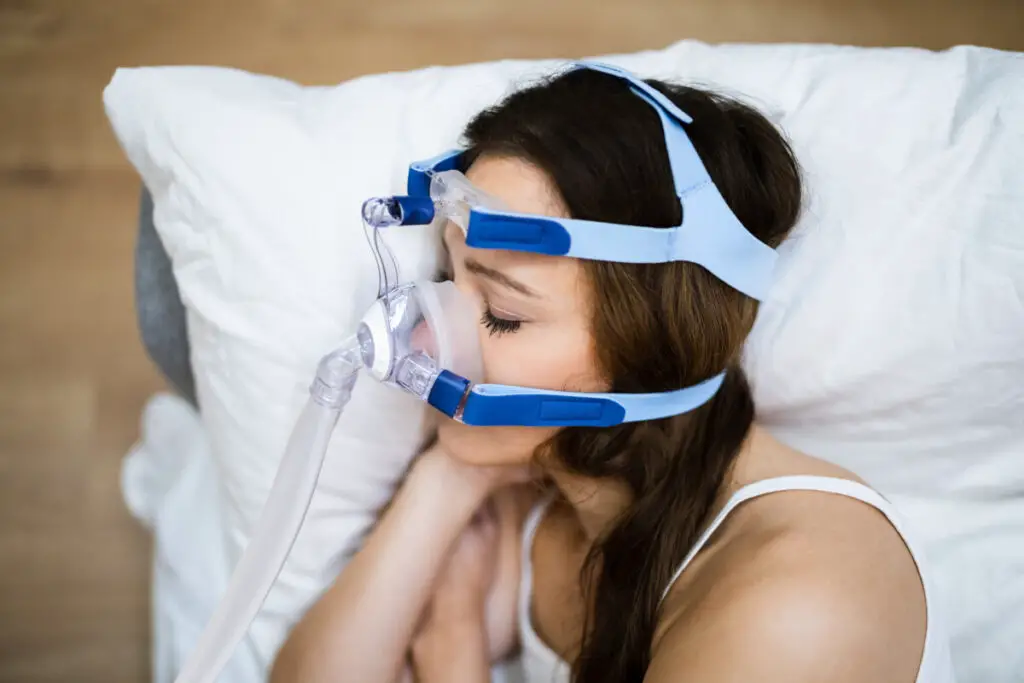
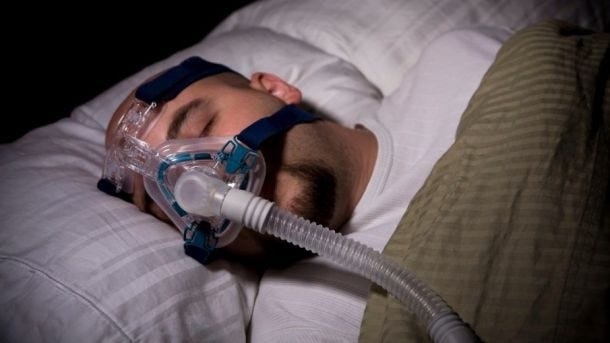
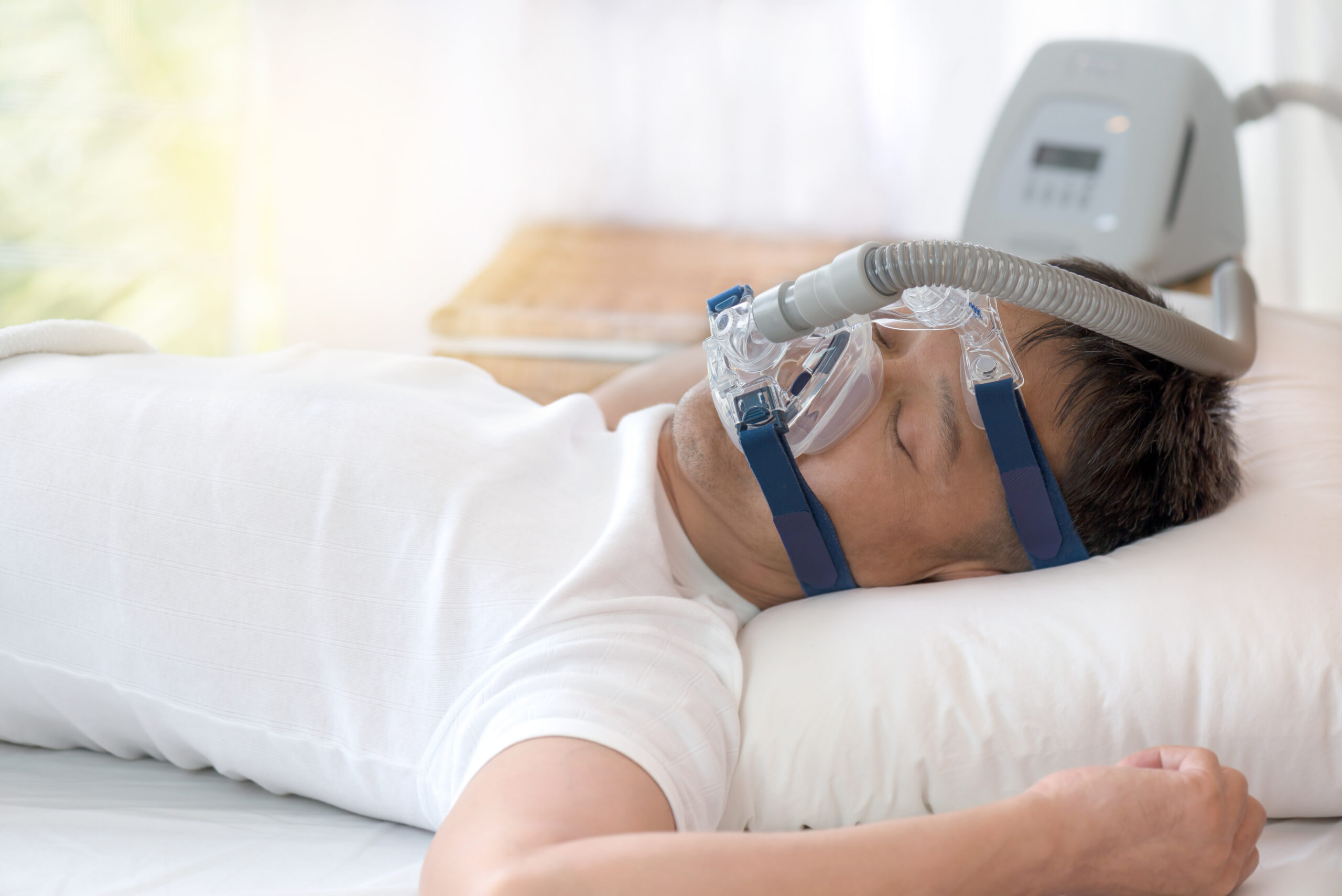
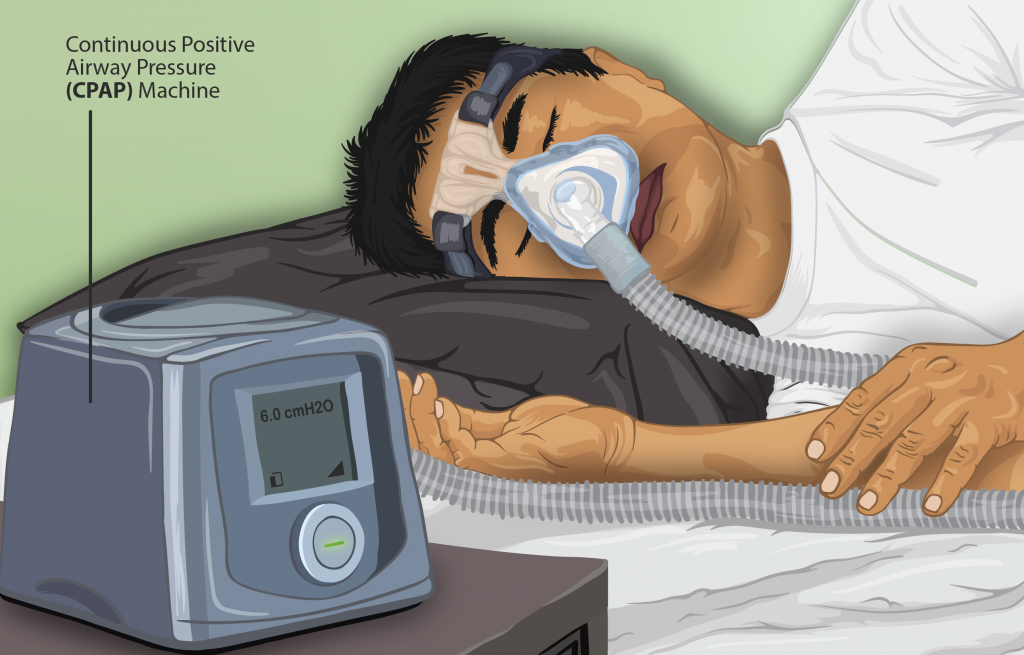
A CPAP, or Continuous Positive Airway Pressure, machine is primarily used to treat sleep apnea. This condition causes you to repeatedly stop and start breathing during sleep, often without even realizing it! These pauses can lead to a whole host of problems, from daytime fatigue and difficulty concentrating to more serious issues like high blood pressure, heart disease, and even stroke. The CPAP works by delivering a constant stream of air through a mask, keeping your airways open and ensuring a steady flow of oxygen throughout the night.
Think of it like this: imagine trying to breathe through a straw that keeps collapsing. The CPAP is like a tiny air pump that keeps the straw open, making it much easier to breathe. It's a common treatment, with millions of people worldwide relying on CPAP machines to manage their sleep apnea. You might know someone who uses one – maybe a family member, friend, or even a celebrity! The telltale mask and hose are becoming increasingly familiar, signaling a proactive approach to better health and well-being.
Must Read
So, back to the original question: what happens when the CPAP suddenly decides to take a vacation in the middle of the night? Well, the immediate consequence is that the positive air pressure stops. For someone with mild sleep apnea, this might simply mean a few more snoring episodes. However, for those with moderate to severe sleep apnea, the consequences can be more significant. You might experience a brief awakening, a gasp for air, or even a full-blown apnea event – a complete cessation of breathing. While a single interruption is usually not cause for alarm, repeated occurrences throughout the night can negate the benefits of the therapy and leave you feeling just as tired as if you hadn't used the machine at all.
Now, the good news is there are several ways to prevent this nocturnal nightmare! First, ensure your mask is properly fitted. A leaky mask not only reduces the effectiveness of the therapy but can also lead to the machine shutting off due to pressure fluctuations. Regularly clean your mask and tubing to prevent buildup that can interfere with airflow. Check your power cord to ensure it's securely plugged into both the machine and the wall outlet. Consider using a CPAP battery backup, especially if you live in an area prone to power outages. Finally, talk to your doctor or sleep specialist. They can adjust your machine settings and offer personalized advice to ensure you're getting the most out of your CPAP therapy and sleeping soundly through the night. Sweet dreams!