What Goes In A Hurricane Kit
Have you ever found yourself wondering about the unseen forces that shape our world, or perhaps just what makes a house truly ready for anything? Today, we're diving into something that, while serious in its implications, can be quite a fascinating and even empowering topic to explore: What exactly goes into a hurricane kit? It might sound like a niche subject, but understanding the basics of emergency preparedness is actually a super valuable life skill, much like knowing how to change a tire or cook a simple meal. Think of it as assembling a real-life survival puzzle, and it’s surprisingly fun to piece together!
The core purpose of a hurricane kit – often called a disaster preparedness kit or go-bag – is beautifully simple: to ensure you and your loved ones can be self-sufficient for at least a few days when traditional services might be unavailable. Hurricanes, floods, snowstorms, even widespread power outages can disrupt everything from electricity and clean water to grocery store access. A well-stocked kit offers immense benefits, primarily giving you a profound sense of peace of mind. Instead of panicking, you'll know you have the essentials covered, allowing you to focus on safety and family. It’s about being proactive rather than reactive, turning potential chaos into manageable calm.
You might think this knowledge is only for coastal dwellers, but its principles extend far beyond. In an educational setting, learning about a hurricane kit is a fantastic way to teach kids about resource management, basic physics (like how batteries work!), and even community responsibility. Schools often have emergency drills, and understanding what goes into a personal kit enhances that learning. In daily life, the lessons learned apply broadly. That small emergency kit in your car? It's a mini hurricane kit! The backpack you take camping, filled with water, snacks, and a first-aid kit? Same concept! It’s a versatile framework for thinking about being ready for any unexpected bump in the road, whether it's a week-long power outage or just a flat tire on a remote road.
Must Read
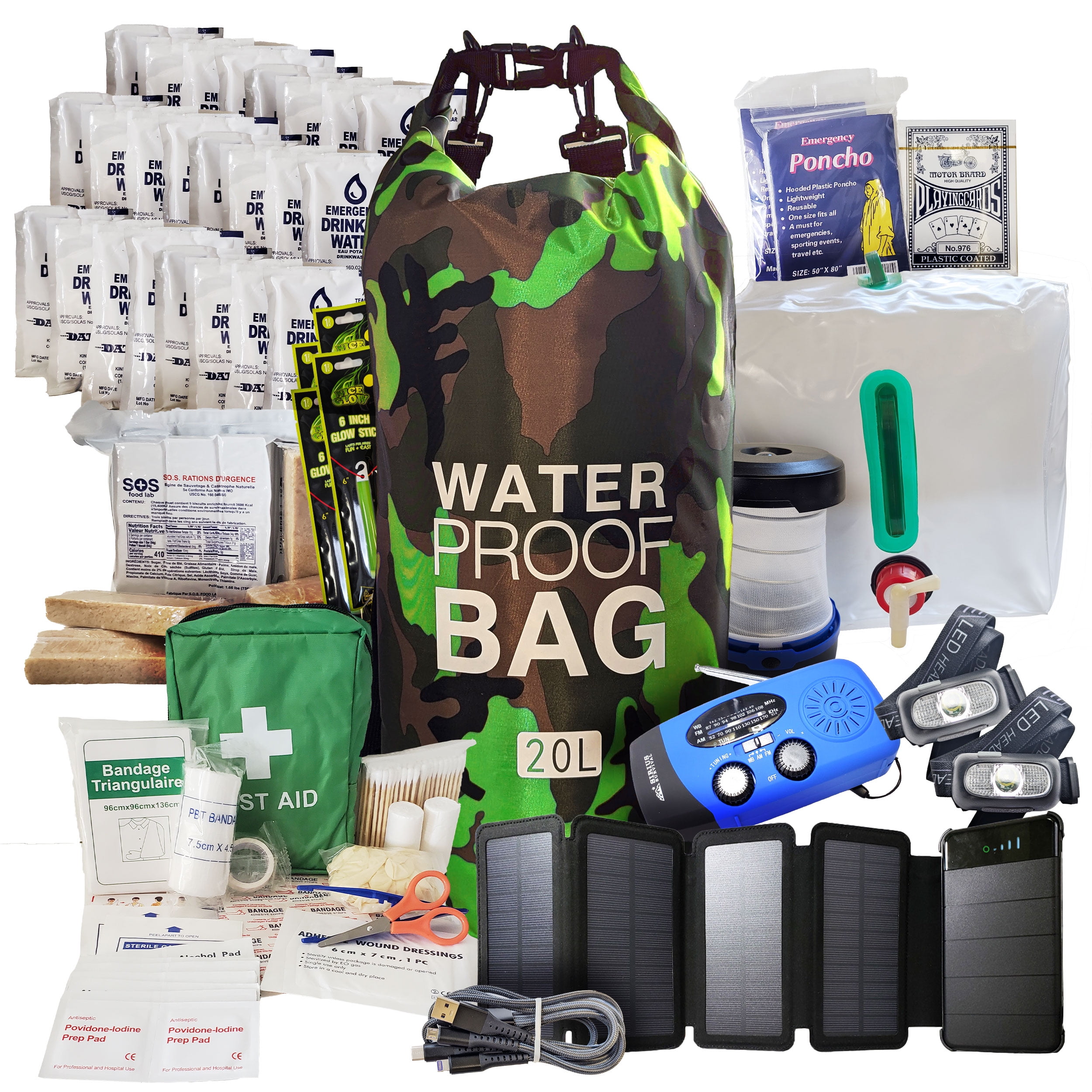
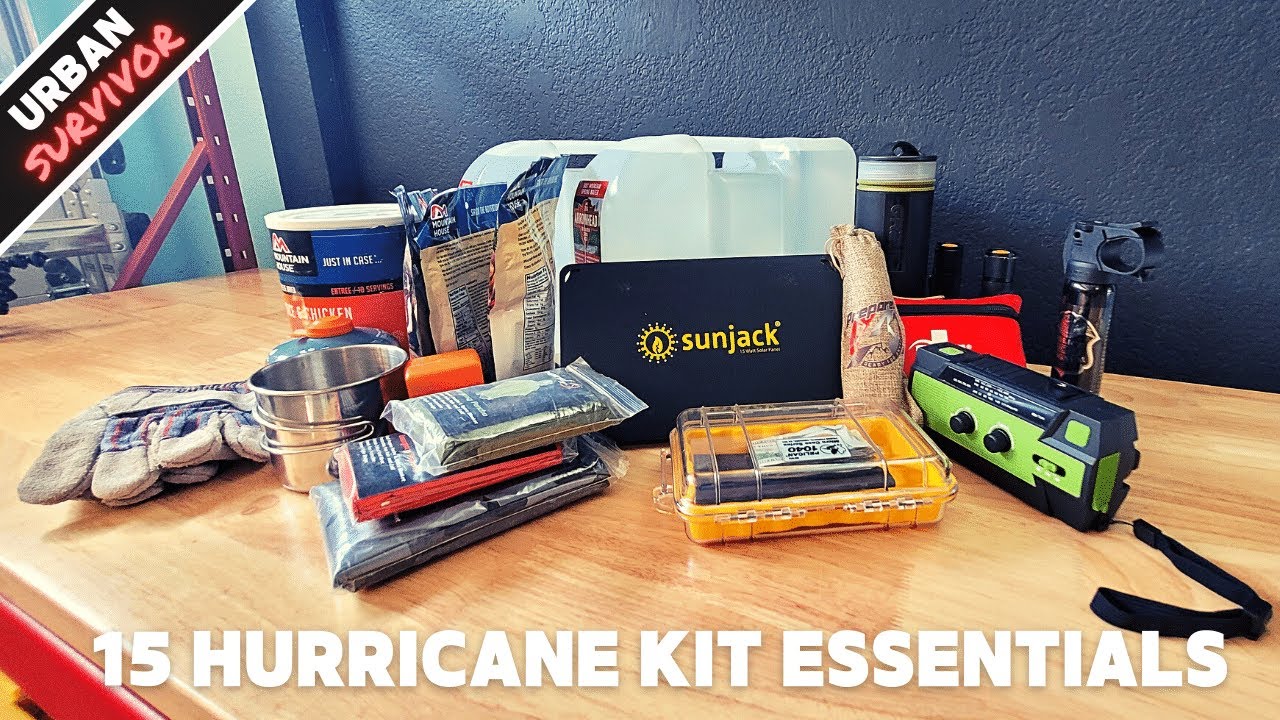
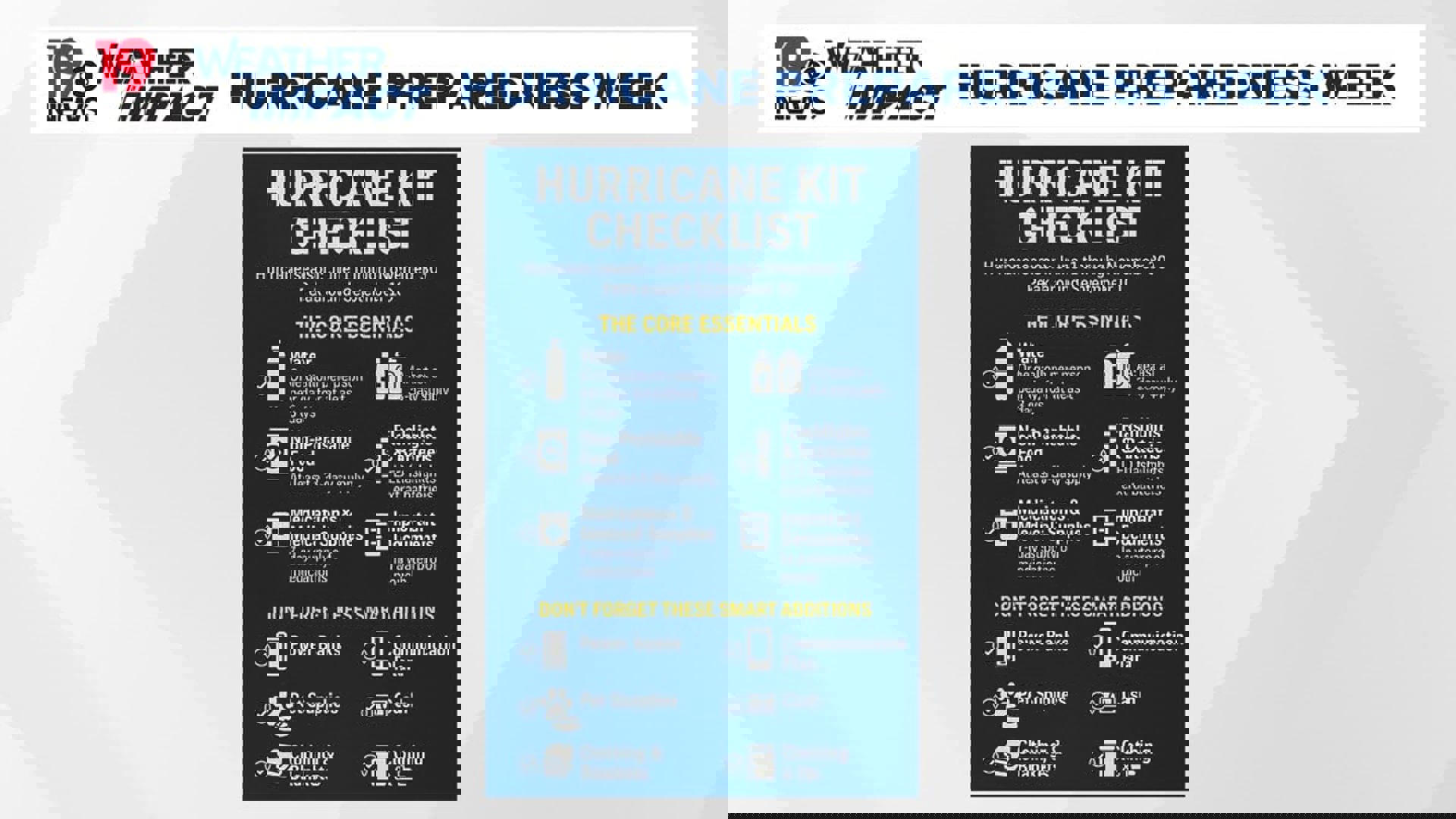
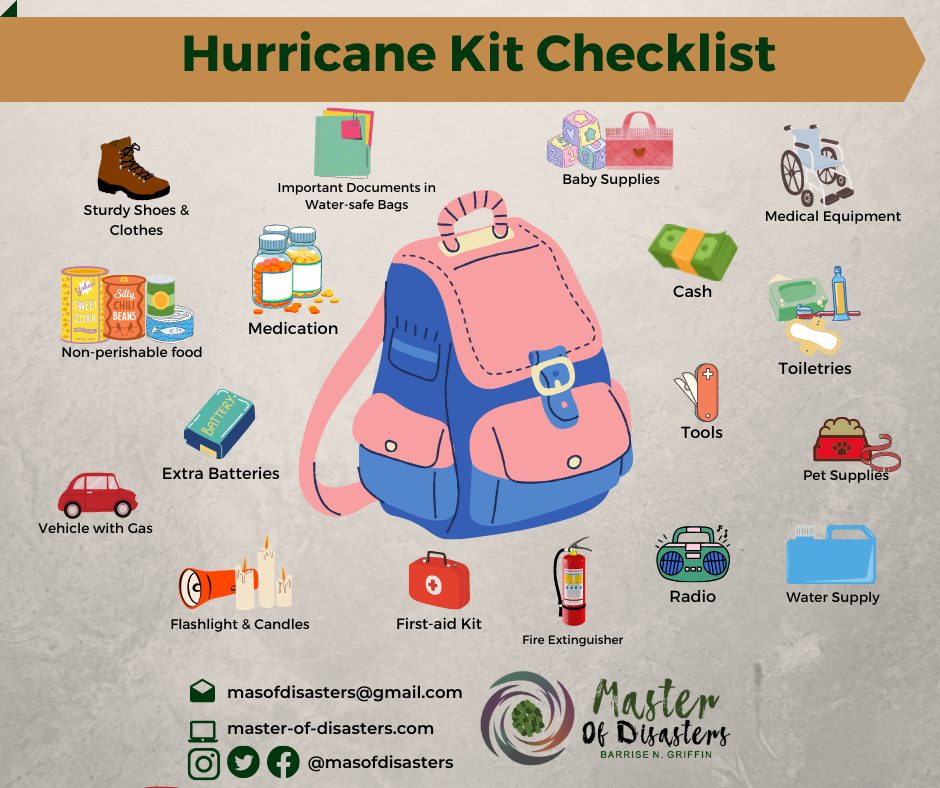
So, how can you start exploring this intriguing world of preparedness? It’s easier than you think! Don't feel you need to build a fort overnight. Start small. A great rule of thumb is to aim for 72 hours (3 days) of supplies. The most crucial item? Water – plan for one gallon per person per day. Next, non-perishable food that doesn't require cooking, like canned goods or energy bars. Then, think about light sources: flashlights (with extra batteries!), glow sticks, or even a hand-crank radio. A comprehensive first-aid kit is non-negotiable. Don't forget personal hygiene items, any necessary medications, and a way to charge your phone (power banks are great!). Keep important documents (ID, insurance papers) in a waterproof bag. A super simple way to start is to just grab a sturdy backpack and begin adding one item each week. Involve your family – make it a fun scavenger hunt! Regularly check expiration dates on food and rotate batteries. By taking these small, curious steps, you'll not only be prepared for the big "what ifs" but also gain a valuable sense of security in your everyday life.