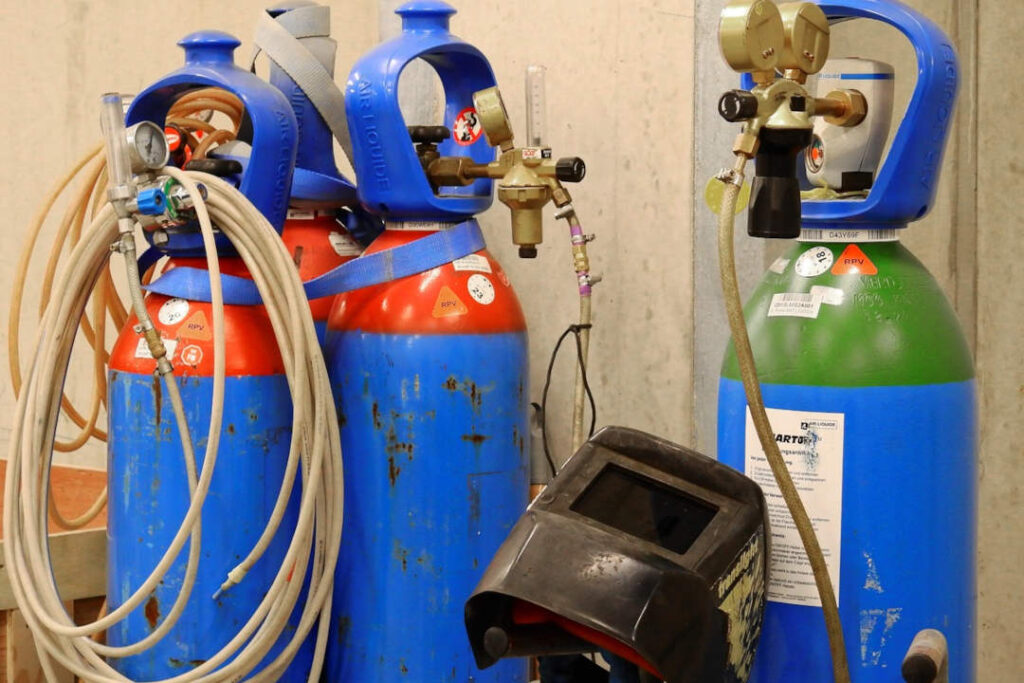
What Gas To Use Mig Welding Stainless Steel
Alright folks, let's talk stainless steel! That gleaming, corrosion-resistant marvel we all love. But welding it? Now that’s where things can get a little…sparky. (Pun intended!). And the first thing you’re going to need is the right gas.
Choosing Your Stainless Steel Welding Gas: It's Like Picking the Right Outfit
Think of your welding gas as the outfit your welding arc is wearing to the party. You wouldn’t wear a swimsuit to a formal dinner, would you? (Unless you're really brave!). Same goes for welding gas. You need the right one for the job.
The Argon Autocrat: The King of Stainless Steel
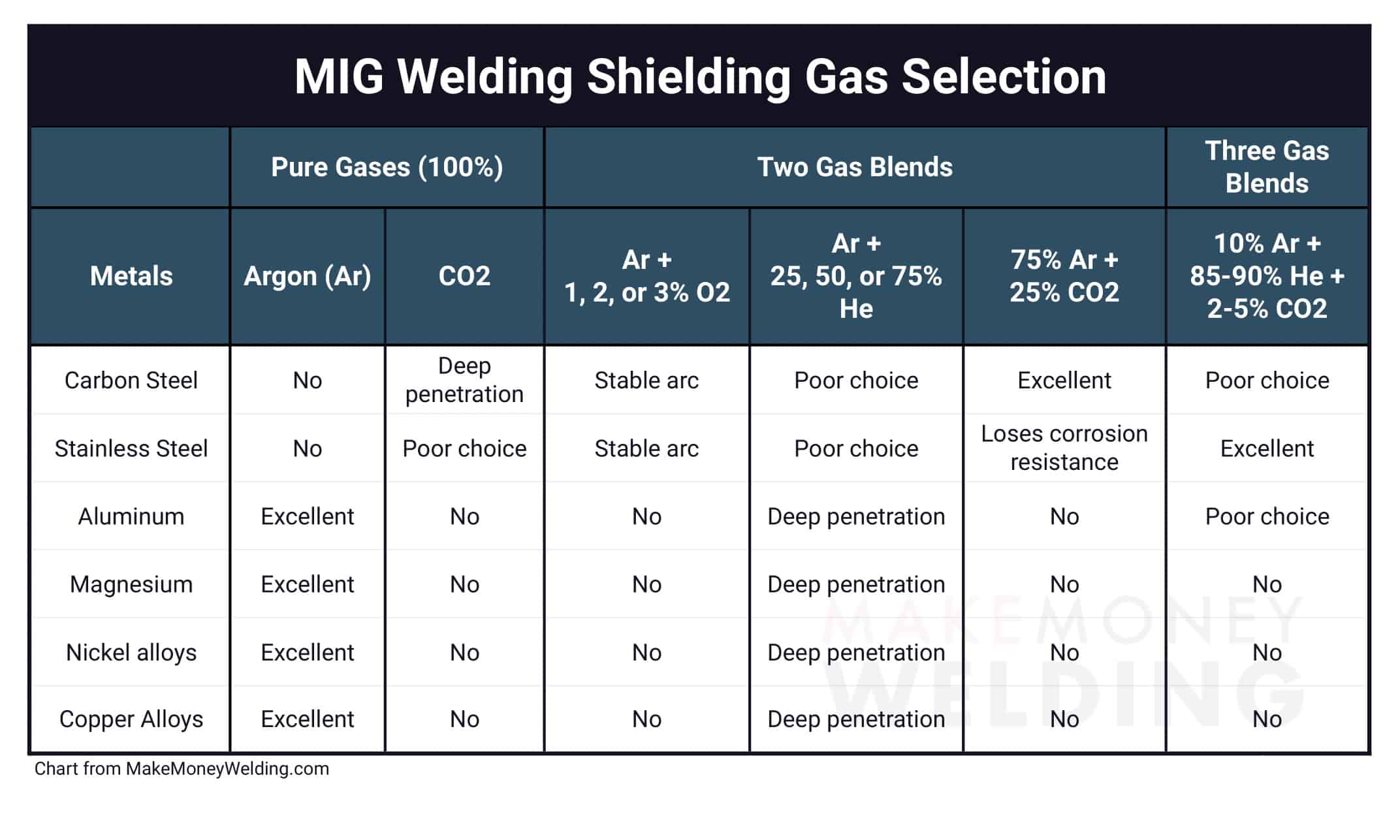
If you’re only going to remember one gas for welding stainless steel, make it argon. Pure, unadulterated argon. It's like the little black dress of welding gases – always appropriate, always reliable. Argon provides a stable arc, good weld penetration, and helps keep that beautiful stainless steel finish looking, well, stainless! It’s the go-to gas for most stainless steel MIG welding situations. If you’re just starting out, grab a tank of argon and you'll be in good hands. It’s the gas that whispers, "I got you," when you're trying to lay down a perfect bead.
Must Read
Argon/CO2 Mixes: A Touch of Controversy (But Sometimes Necessary!)
Now, here's where things get a little more interesting. Some welders swear by argon/CO2 mixes for stainless steel, while others recoil in horror! It’s like the pineapple on pizza debate of the welding world! The benefit of adding CO2 is that it can improve weld puddle fluidity and penetration on thicker materials. This means the weld flows more easily, making it easier to get a solid, strong join. It can also save you a little money, as CO2 is typically cheaper than argon.
But be warned! CO2 reacts with the stainless steel at high temperatures, potentially leading to carbide precipitation. Basically, it can compromise the stainless steel's corrosion resistance. The higher the CO2 percentage, the greater the risk. If corrosion resistance is absolutely critical (think food-grade equipment or chemical tanks), then stick with pure argon, no questions asked. But for general fabrication where aesthetics are more important than extreme corrosion resistance, a small percentage of CO2 (like 2-5%) might be acceptable. Always consult the material specifications of your stainless steel to be sure!
Important Safety Tip: Always, always, ALWAYS use proper ventilation when welding, especially when using gases like CO2. You don't want to end up breathing in fumes that could ruin your day (or your lungs!).
Helium: The Supercharger (for Thicker Stainless!)
Want to kick your welding up a notch? Add some helium to the mix! Helium-based mixes (usually argon with a percentage of helium) are like the turbo boost for welding thick stainless steel. Helium helps create a hotter arc, allowing you to penetrate deeper and weld faster. Think of it as giving your welding machine a shot of espresso! This is especially helpful when working with thick stainless steel plate or when you need to make deep, strong welds. However, helium is more expensive than argon, and it can make the arc a bit more erratic to control. It’s generally reserved for more advanced welding applications.
The "Don'ts" of Stainless Steel MIG Welding Gases
Just as there are gases that are great for stainless steel, there are gases that are a big no-no! Avoid using straight CO2 or other oxidizing gases. These will react with the stainless steel and create a weld that's weak, brittle, and susceptible to corrosion. It’s like trying to use butter as motor oil – a recipe for disaster! Stick to argon-based mixtures, and you’ll be golden (or should I say, silvery stainless!).
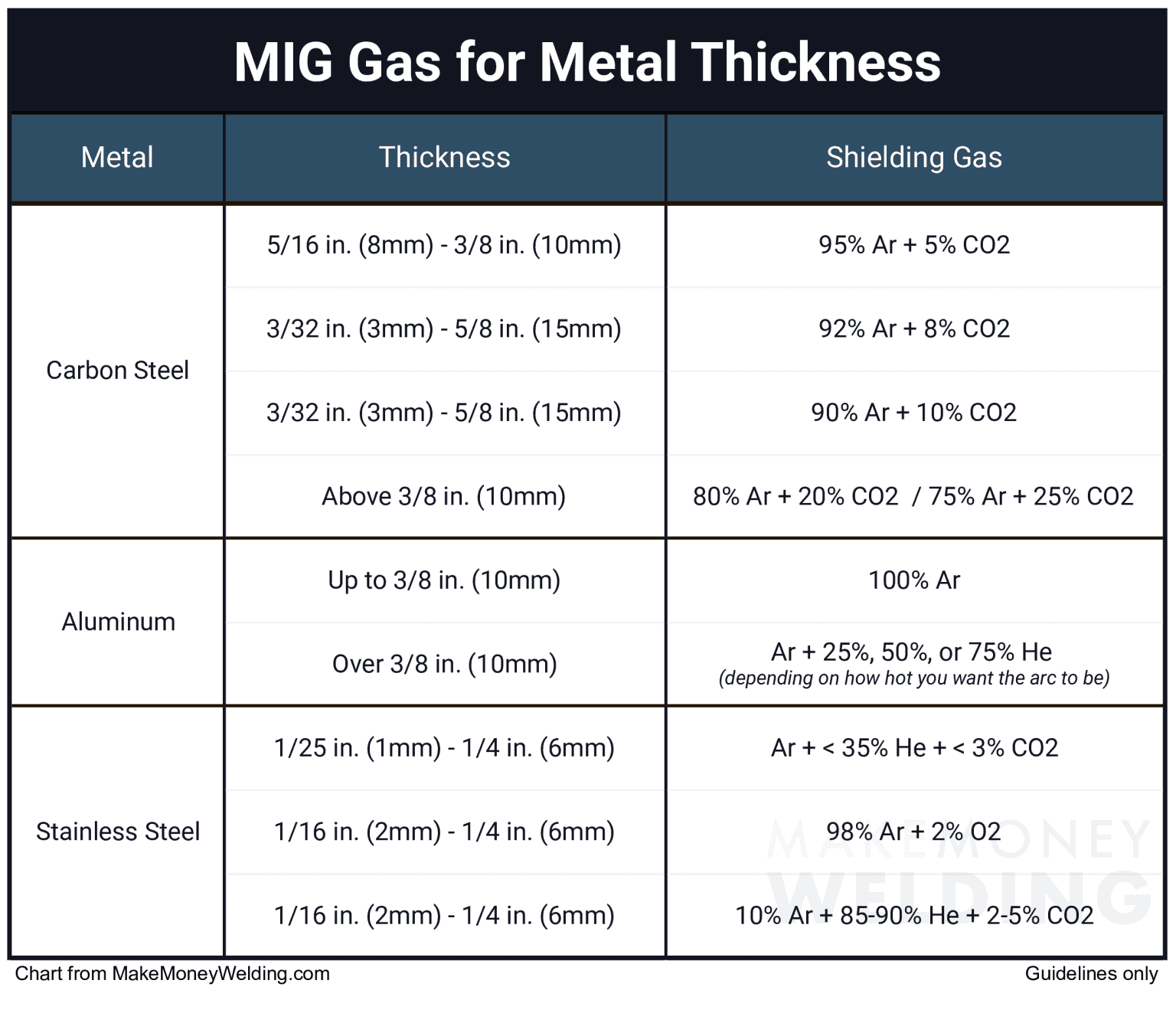
In conclusion: *For thin gauge stick with 100% Argon. *For thick gauge and cost savings use 98/2 mix.
Ultimately, the best gas for your stainless steel MIG welding project will depend on the specific application, the thickness of the material, and the desired weld properties. But with a little knowledge and a dash of experimentation, you’ll be laying down beautiful, strong stainless steel welds in no time!
So go forth, grab your helmet, and get welding! Just remember to choose your gas wisely, and you'll be creating masterpieces that will last a lifetime (or at least until the next welding project comes along!).