
What Gas To Use For Tig Welding

Ever gazed at a perfectly smooth, shimmering TIG weld and thought, "How do they do that?" It's like magic, right? Well, a big part of that magic comes down to something you might not even think about at first glance: the gas you’re using. Yep, it’s not just about the torch and the electricity; there’s a quiet hero flowing right alongside, making all the difference.
So, you’re curious about TIG welding, maybe even thinking about trying your hand at it. Awesome! But then you hit a snag: "What gas do I even use for this thing?" It’s a super common question, and thankfully, the answer isn’t nearly as complicated as it might seem. Think of it like picking the right spice for your favorite dish – sure, you could just pick any old thing, but to get that perfect flavor, you need something specific.
The Undisputed Champion: Argon
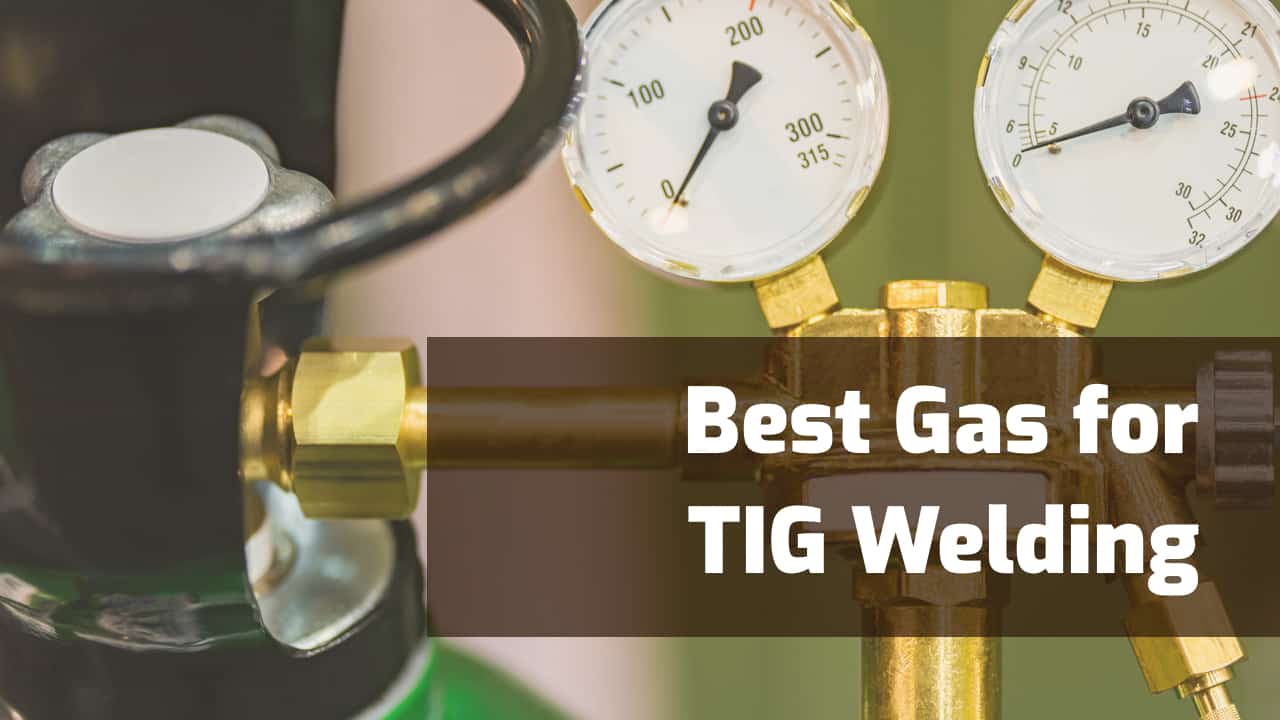
Let's cut right to the chase, shall we? For most TIG welding, especially if you're just starting out or working with common metals, your go-to gas, your MVP, your absolute best friend in the workshop, is going to be Argon. That's right, just plain old Argon.
Must Read
Why Argon, you ask? What makes this noble gas so special? Well, Argon is what we call an inert gas. And "inert" in the welding world is a beautiful, beautiful thing. It means it doesn’t react with anything. It’s like the calm, collected bodyguard for your molten metal, protecting it from all the nasty stuff floating around in the air.
Imagine your welding arc and the glowing, liquid metal puddle. Without protection, the oxygen and nitrogen in the air would swoop in like tiny, destructive villains, causing porosity, contamination, and a generally ugly, weak weld. Argon, however, forms a protective shield, a invisible bubble that keeps the bad guys out. Pretty neat, right?

This protective bubble helps create a stable arc, which is crucial for the precise control TIG welding is famous for. It also ensures a super clean weld, free from oxides and spatter, giving you that beautiful, shiny finish everyone loves. Whether you're welding stainless steel, aluminum, copper, or even plain old mild steel, Argon is your ticket to a good time.
What About Other Gases? (And Why Not for TIG)
You might have heard of other welding gases like Carbon Dioxide (CO2) or Argon/CO2 mixes (like C25). These are fantastic for MIG welding, but for TIG? Not so much. CO2 is an active gas, meaning it reacts with the molten metal. This reaction is great for MIG, helping with penetration and arc stability in its own way, but for TIG, it would lead to a messy, contaminated weld. We’re going for surgical precision here, not a backyard BBQ!
A Little Twist: Argon-Helium Mixes for Power Users
Okay, so Argon is king, we get it. But what if you’re tackling some really thick material, or you need a little extra oomph? That’s where things get interesting! Sometimes, welders will introduce a bit of Helium into the Argon. Think of Helium as the turbo boost for your TIG setup.
Helium creates a hotter arc, which translates to better penetration and faster welding speeds, especially on thicker pieces of aluminum or copper that gobble up heat. It’s like adding rocket fuel to your already awesome engine! However, Helium is more expensive, and it requires a higher flow rate, so it's not usually the first choice for everyday welding or beginners. It's for when you know you need that extra kick.
There are also even more specialized mixes, like Argon-Hydrogen, used for specific stainless steel applications where you need an even hotter, super-clean arc. But these are definitely in the realm of advanced techniques and materials, and you'd absolutely want to know what you're doing, as hydrogen can react violently with some metals!
The Bottom Line: Simplicity is Key
So, if you’re dipping your toes into the magnificent world of TIG welding, don't overthink it. Start with 100% pure Argon. It's forgiving, versatile, and will allow you to lay down gorgeous welds on a wide range of materials. It’s truly the foundation of TIG excellence.
Remember, the right gas, delivered at the correct flow rate (usually measured in cubic feet per hour, or CFH), is just as vital as your electrode choice or your amperage settings. It’s all part of the symphony that creates that perfect bead.
So, go forth, grab your Argon, and start making some beautiful welds! The secret ingredient isn't so secret after all, is it?