
What Gas For Welding Aluminum
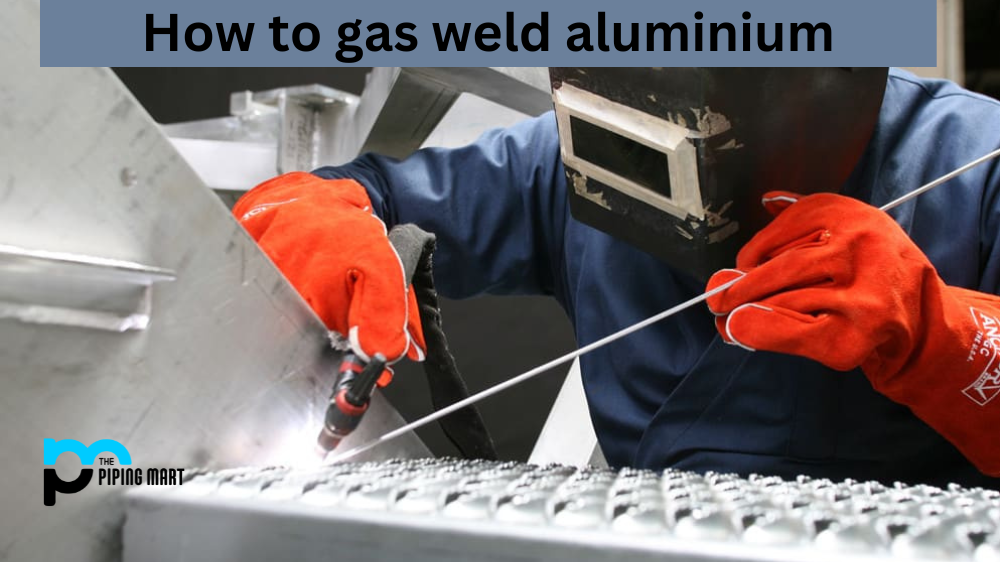
Have you ever looked at a sleek aluminum boat, a lightweight bike frame, or even some cool modern furniture and wondered how those shiny pieces are joined together so perfectly? It’s not magic, but it certainly feels like it sometimes! Welding aluminum is a fascinating craft, and it has a secret ingredient, an invisible helper that makes all the difference.
When you weld, you're essentially melting pieces of metal and letting them cool together, forming a super strong bond. But aluminum is a bit of a diva. It’s light, it’s strong, and it loves to show off its shiny surface. However, it’s also very reactive. The moment it touches air, it forms a thin, tough layer of something called
So, what’s the big secret? What invisible guardian steps in to protect our precious aluminum during welding? Drumroll, please… it’s a special kind of gas! And for welding aluminum, the undisputed champion, the absolute star of the show, is
Must Read
Meet the Invisible Bodyguard: Argon!
Think of
Why is this so special and, dare we say, entertaining? Well, without this invisible shield, your aluminum weld would be full of holes, brittle, and just plain ugly. But with

"Watching a skilled welder join aluminum with Argon is like witnessing a silent, fiery dance. It's captivating!"
The molten pool of aluminum, protected by its
Why Aluminum Needs its Own Gas Guy
Other metals, like steel, sometimes use a mix of gases or even a different gas altogether, like

This dedication to protection allows the welder to focus on the artistry of the weld itself. It’s not just about melting metal; it's about control, precision, and creating something that is not only functional but also beautiful. The satisfaction of laying down a perfect, shimmering aluminum weld, knowing that
Next time you see an amazing aluminum creation, take a moment to appreciate the unsung hero behind its strong seams. That invisible blanket of
So, if you’ve ever been curious about welding or just appreciate great craftsmanship, learning about the role of

