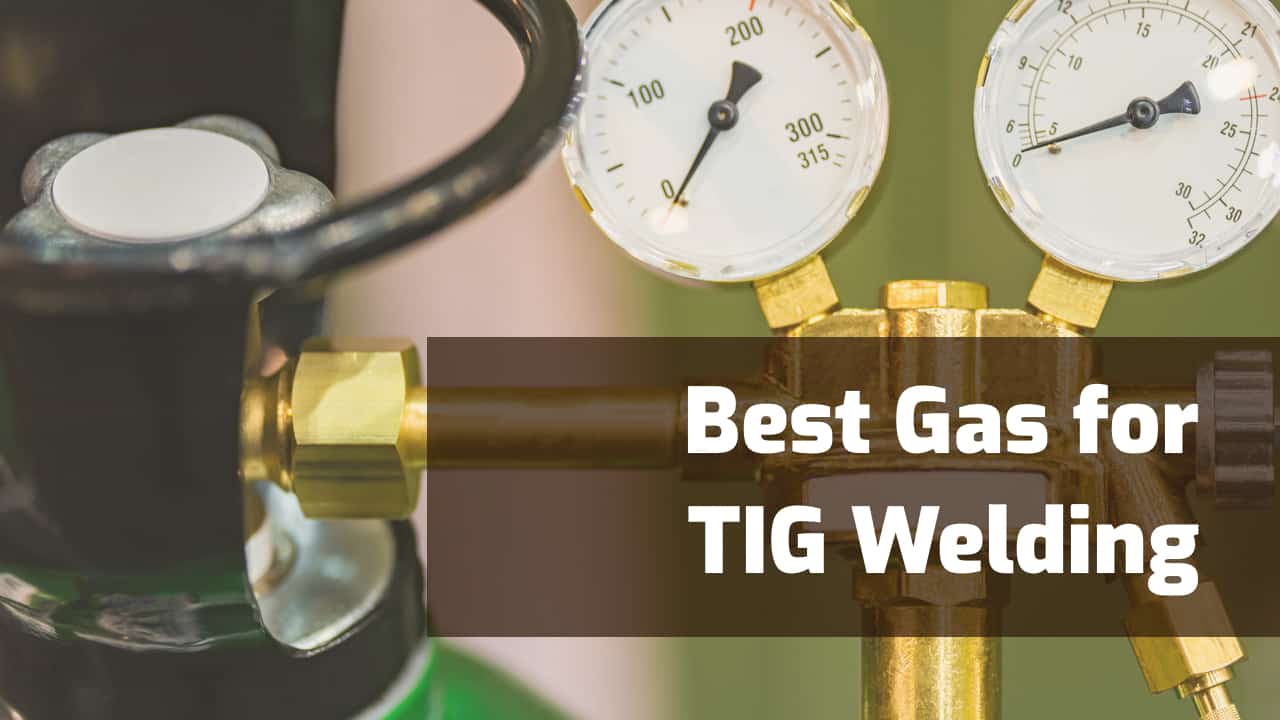
What Gas For Tig Welding Steel

Hey there, fellow spark-slinger! Ever stared at a gas cylinder, scratching your head, wondering what magical elixir you need to fill it with for your next awesome TIG welding project on steel? Well, you’ve come to the right place! We’re going to demystify the gas game for TIG welding steel, and trust me, it’s far less complicated than trying to assemble IKEA furniture with a blindfold on. (Though, arguably, less frustrating than a missing hex key!)
The Undisputed King of TIG Gas for Steel: Argon!
Let's cut right to the chase, because nobody likes suspense more than what’s for dinner. For TIG welding steel, your absolute best friend, your loyal sidekick, your go-to gas is none other than... Argon!
Yep, that's it. Simple, right? No fancy blends, no secret ingredients from a wizard's spellbook. Just good old, pure Argon. Think of it as the vanilla ice cream of welding gases – classic, reliable, and always a crowd-pleaser for steel.
Must Read
Why Argon? Let's Get Nerdy (But Fun Nerdy!)
So, why is Argon the bee's knees for TIG welding steel? It boils down to a few super important characteristics:
- It's Inert: This is the big one. "Inert" means it's a loner; it doesn't want to react with anything, especially your hot molten steel. Imagine a bouncer at an exclusive club – Argon keeps all the riff-raff (like oxygen and nitrogen from the air) away from your weld pool. If those nasty gases crash the party, you get porosity, discoloration, and a generally ugly, weak weld. Yuck!
- Stable Arc: Argon helps create a beautifully stable and controllable arc. This means your tungsten electrode can happily dance across the metal, creating that buttery smooth bead we all dream about. An unstable arc is like trying to draw a straight line on a rollercoaster – good luck with that!
- Excellent Cleaning Action (Sort Of): While more pronounced on aluminum, Argon still helps provide a nice, clean weld pool on steel. It's like a tiny invisible shield keeping impurities out.
- Good Penetration: Argon gives you good penetration, which means your weld isn't just sitting on top like a sad little caterpillar, but truly fusing the metals together. We want strong welds, not just pretty ones (though pretty is a bonus!).
What About Other Gases? The "Nope, Not Today, Satan" List for TIG Steel
You might hear about other gases, but for TIG welding steel, most of them are either a bad idea or just overkill:
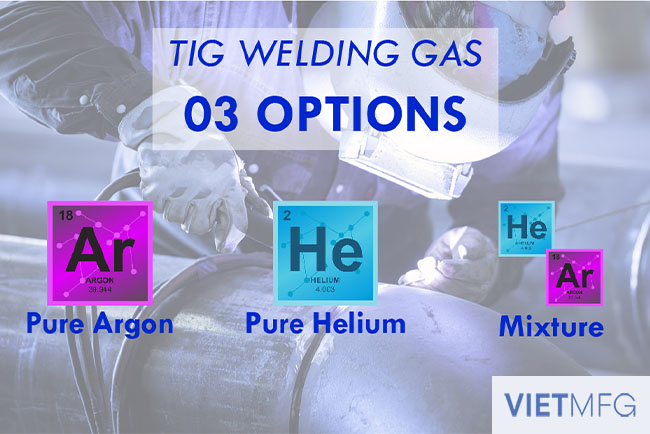
CO2 or Argon/CO2 Mixes: These are fantastic for MIG welding steel, but for TIG? Oh boy, no. Just no. Using CO2 with TIG will give you a sooty, unstable, sputtering mess. It’s like trying to drink a milkshake with a fork – technically possible, but why would you? Leave the CO2 for your MIG gun or your soda stream.
Helium or Argon/Helium Mixes: Helium is Argon’s energetic, more expensive cousin. It generates a hotter arc, which can be useful for welding thick, high-conductivity metals like aluminum or copper, or for increasing speed. But for typical steel TIG? It’s usually unnecessary, pricier, and can make arc control a bit trickier, especially for beginners. Think of it as bringing a rocket launcher to a knife fight – effective, but maybe a little excessive.
Quick Tips for Your Argon Adventure!
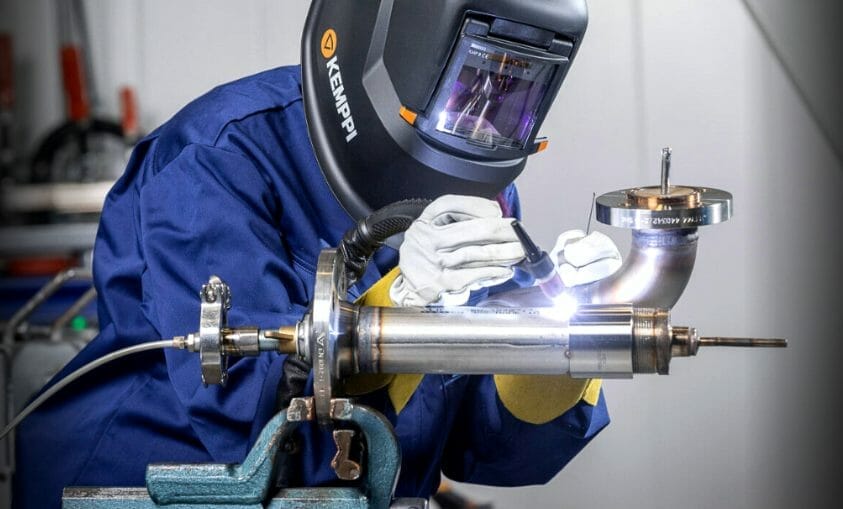
Okay, so you’ve got your Argon, you’re ready to rumble. Here are a couple of quick tips to make sure your Argon is doing its best work:
- Purity Matters: Make sure you're getting pure welding-grade Argon, usually 99.996% or higher. Don't skimp here! A little impurity can cause a lot of headaches.
- Flow Rate is Key: You need enough gas to shield the weld, but not so much that it causes turbulence and actually pulls air into your weld zone (the dreaded "Venturi effect"). For most small to medium TIG torches, a flow rate between 15-25 cubic feet per hour (CFH) is a good starting point. Adjust as needed; listen to your weld and look at your post-weld color. You want a nice, shiny, silver bead, not a rainbow of oxidation!
- Post-Flow: Don't forget your post-flow setting! This keeps the Argon flowing for a few seconds after you finish your weld. It’s like tucking your weld in for the night, letting it cool down gently under its protective blanket before the big bad atmosphere gets to it. So important for preventing oxidation!
Go Forth and Conquer Steel!
So there you have it! The mystery of TIG welding gas for steel is officially solved. It’s not some elaborate secret; it’s just good old, reliable Argon. It’s the loyal friend who always shows up, keeps the bad stuff away, and helps you lay down those beautiful, strong beads.
Now you can confidently grab that Argon cylinder, knowing you’ve got the right stuff to make your steel projects shine. Go ahead, strike that arc, and remember: every flicker of that plasma is a step closer to welding wizardry. Keep those sparks flying, keep those beads perfect, and most importantly, keep that welder's grin on your face!