What Fraction Is Equivalent To 4 8
Ever heard someone nonchalantly toss around the phrase "it's all relative"? Well, in the world of fractions, that's especially true! And today, we're diving into a classic example of that relativity: the fraction 4/8. It's not just a number; it's a gateway to understanding how numbers can be dressed up in different ways while still representing the same delicious slice of mathematical pie. Think of it like a chameleon, perfectly capable of adapting to different environments, or in this case, different numerical forms.
So, what's the big deal about equivalent fractions, and why should you care? For artists, hobbyists, and even casual learners, understanding this concept unlocks a world of possibilities. Imagine you're baking a cake and the recipe calls for 1/2 cup of sugar, but all you have are quarter-cup measuring spoons. Knowing that 1/2 is equivalent to 2/4 instantly saves the day! For artists, understanding proportions, often expressed as fractions, is crucial for creating balanced and visually appealing compositions. Think about the golden ratio – it's all about fractions and their relationships!
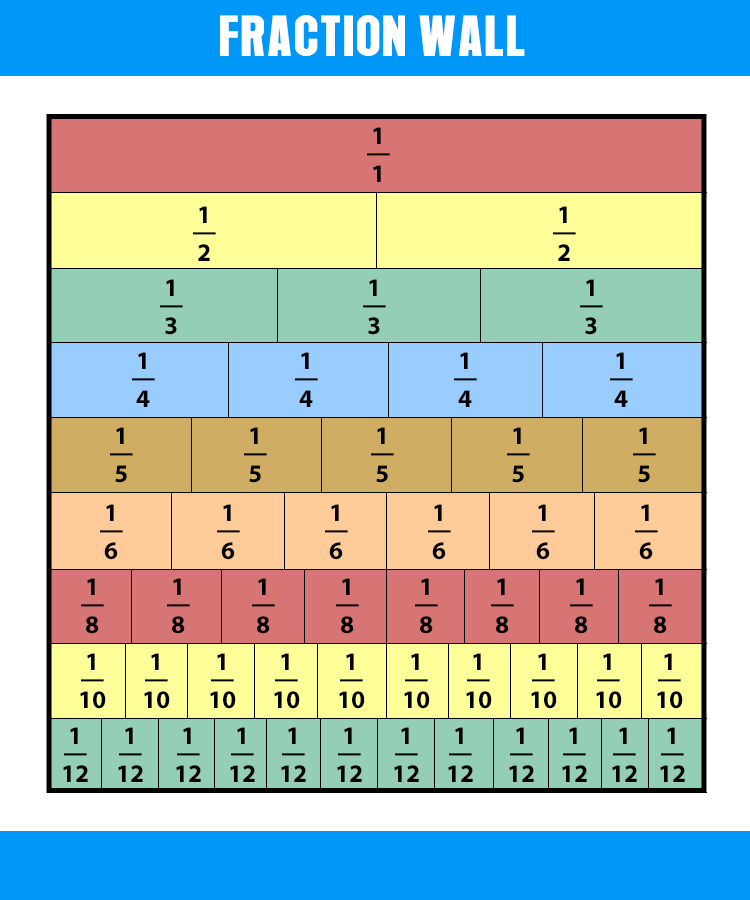
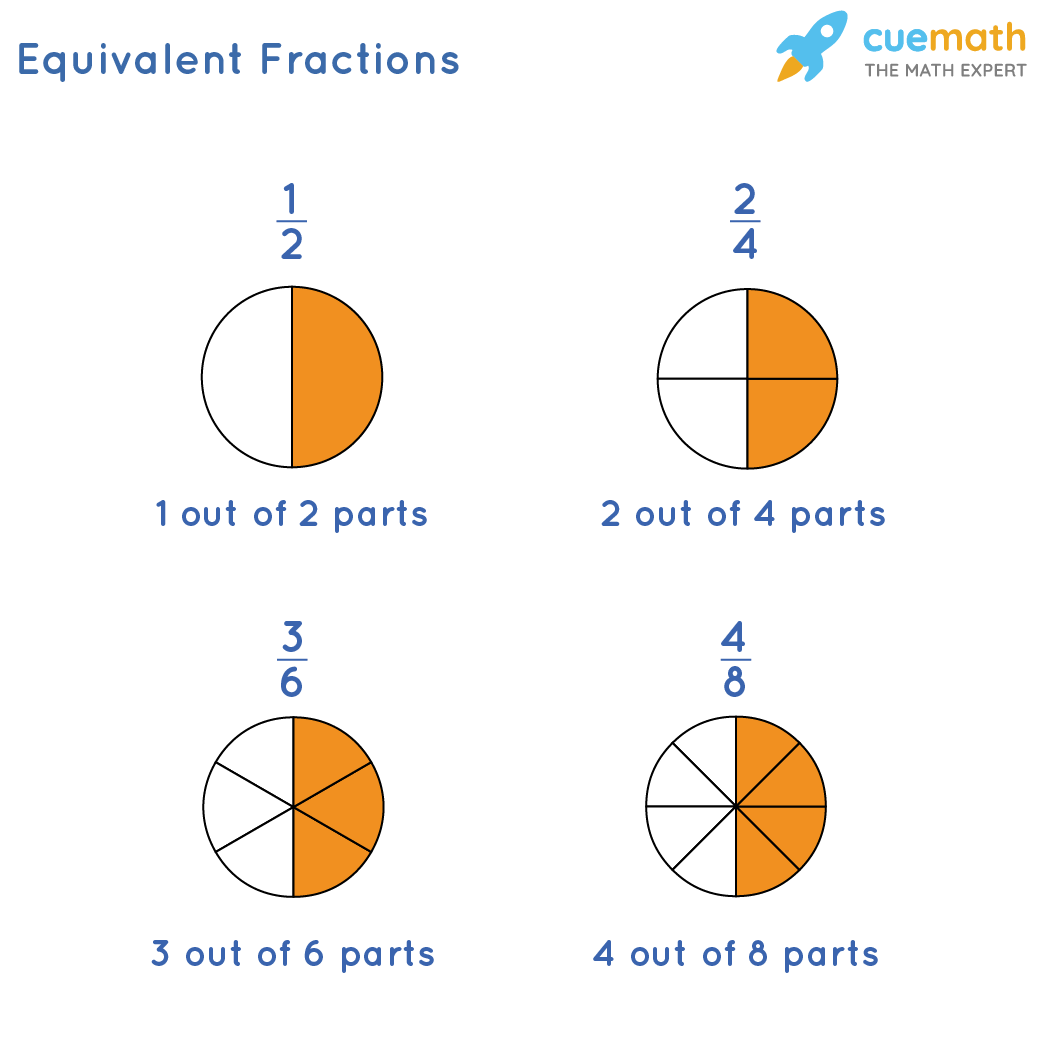
Let's get specific. What fraction is equivalent to 4/8? The answer, in its simplest form, is 1/2. But the fun doesn't stop there! We can find countless equivalent fractions. Consider these examples:
Must Read
- 2/4: Obtained by dividing both the numerator (4) and the denominator (8) by 2.
- 8/16: Created by multiplying both the numerator (4) and the denominator (8) by 2.
- 12/24: Achieved by multiplying both the numerator (4) and the denominator (8) by 3.
The key is to remember the golden rule: whatever you do to the top number (numerator), you must do to the bottom number (denominator), and vice-versa. Think of it like a carefully balanced seesaw – you need to apply the same force to both sides to keep it level.
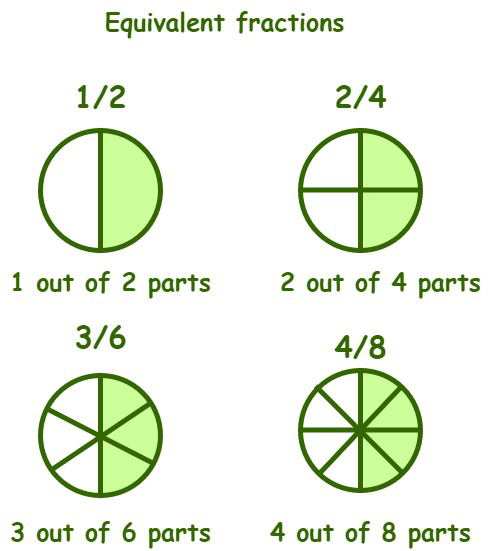
Want to try finding equivalent fractions at home? Here are a few simple tips:
- Start simple: Begin with easy fractions like 1/2 or 1/4.
- Use visual aids: Draw circles or squares and divide them into sections to represent the fractions visually. This makes the concept much easier to grasp.
- Experiment with multiplication and division: Try multiplying or dividing both the numerator and denominator by different numbers to see what equivalent fractions you can create.
- Think of pizza: Who doesn't love pizza? Visualizing slices can be a fun and relatable way to understand fractions.
Ultimately, working with equivalent fractions is enjoyable because it's like solving a puzzle. It's about finding patterns and relationships within numbers, and it's a skill that can be applied in so many different areas of life. From cooking and baking to art and design, understanding equivalent fractions empowers you to see the world in a more nuanced and creative way. So, go ahead, explore the world of fractions – you might just surprise yourself with what you discover!