
What Fire Extinguisher Is Used For Electrical Fires

Ever had a little spark fly when you plug something in? A bit like static electricity, right? Well, sometimes that little zing gets a bit too enthusiastic and decides to turn into a full-blown electrical fire. And trust me, these aren't your average campfire singalongs. They're tricky, they're zappy, and they definitely need the right kind of attention.
So, you're faced with an electrical fire – maybe it's a misbehaving toaster, a grumpy power strip, or an appliance that's decided to throw a fiery tantrum. Your first instinct might be to grab the nearest bucket of water, right?
Hold Your Horses! (And That Bucket!)
Woah there, cowboy! Put that bucket down. Seriously, right now. Water and electricity are like two frenemies who absolutely, positively should never hang out when fire is involved. Mixing water with an electrical fire is a recipe for disaster. We're talking about the risk of electrocution, making the fire even worse, and generally having a very, very bad day. It's a super big no-no, an absolute cardinal sin of fire safety. Don't be that person trying to douse sparks with a garden hose – it sounds like a cartoon, but it's dangerously real!
Must Read
So, if water is out, what's our knight in shining armor? What's the fire extinguisher that swoops in to save the day when electrons decide to misbehave?
Meet the Hero: The Class C Extinguisher!
Drumroll please... for electrical fires, your absolute best buddy is a Class C fire extinguisher! Ta-da!
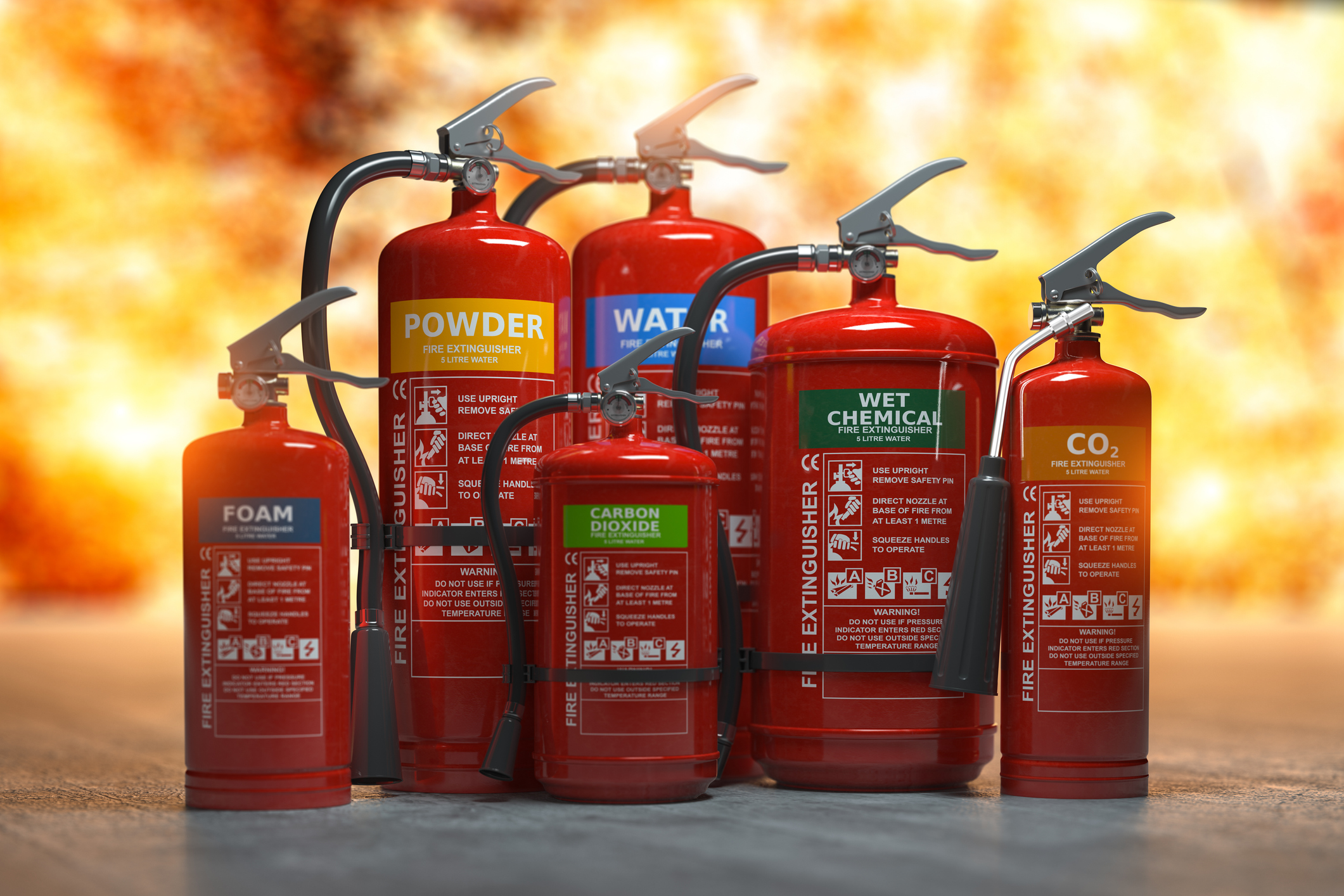
Now, you might be thinking, "Class C? What even is that?" Well, fire extinguishers are like different superheroes, each with their own special power. They're categorized into classes based on the type of fire they're designed to fight.
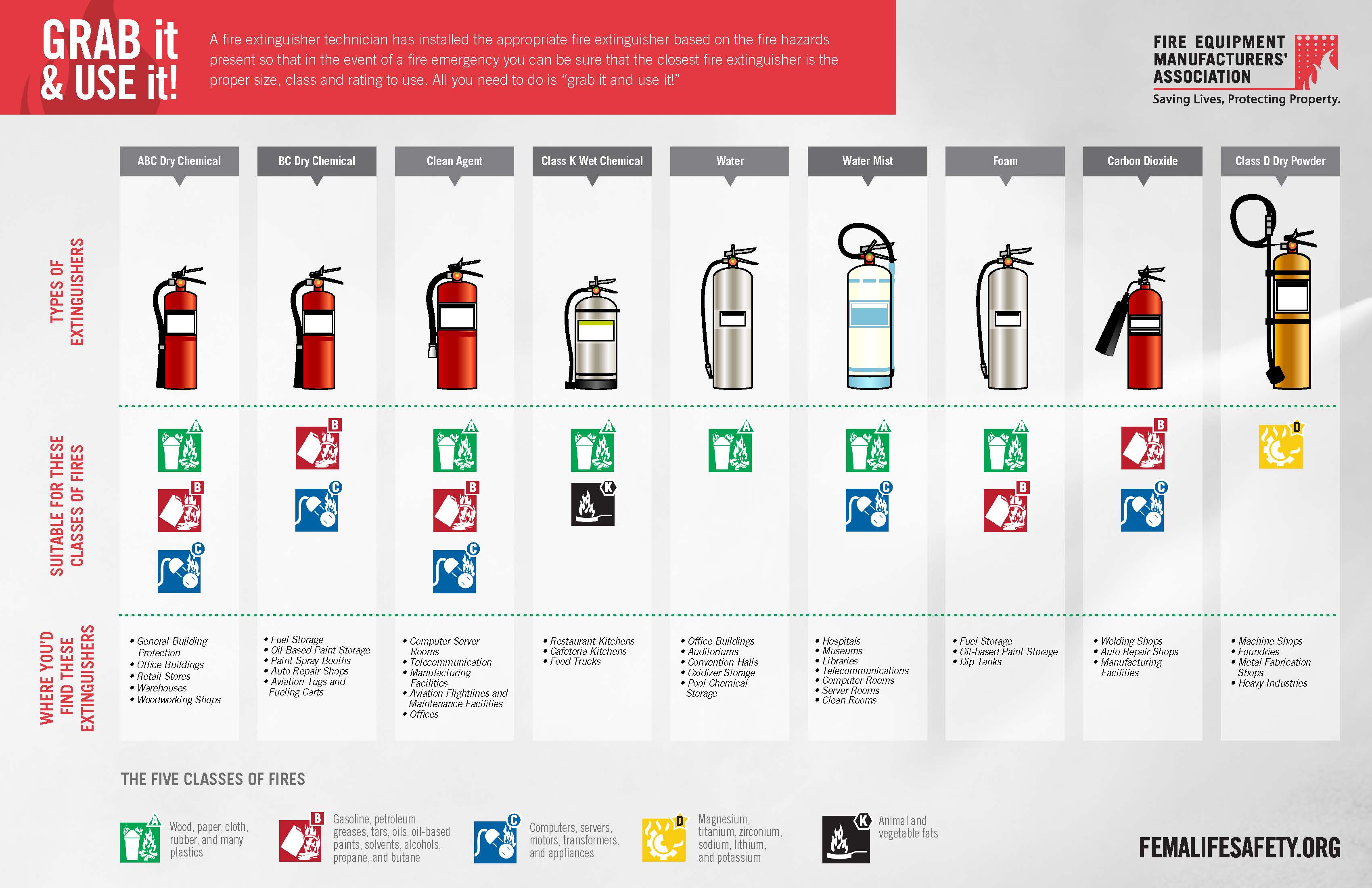
- Class A: For ordinary combustibles like wood, paper, cloth. Think boring stuff.
- Class B: For flammable liquids and gases like grease, oil, paint, propane. The messy ones.
- Class C: And here's our star! For fires involving energized electrical equipment. The 'C' stands for current, or if you prefer, charged!
- Class D: For combustible metals. (You probably won't find these in your kitchen, thankfully!)
- Class K: For cooking oils and fats in commercial kitchens. The really hot, greasy ones.
How Do They Work Their Magic?
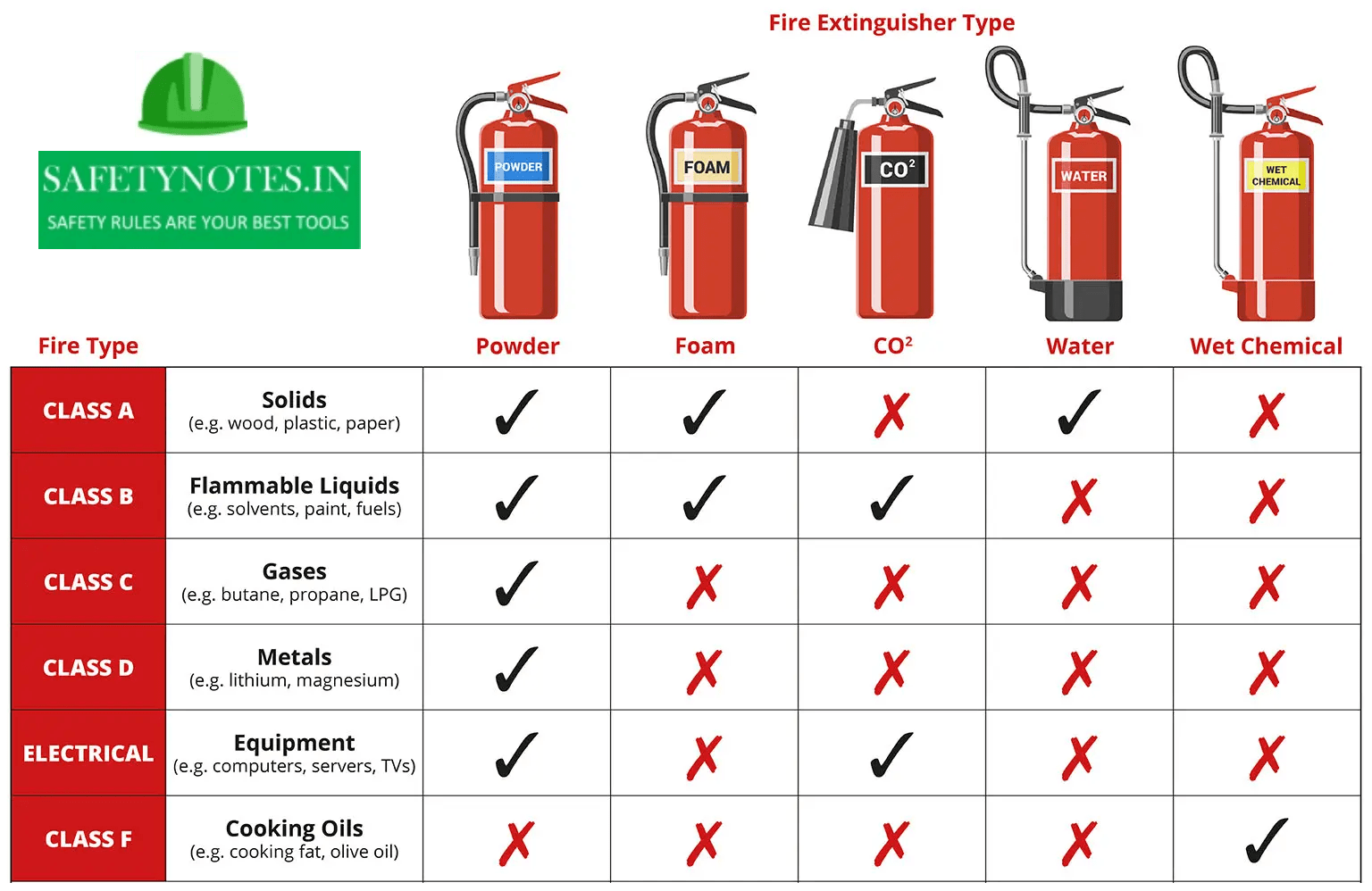
Class C extinguishers don't use water. Instead, they typically blast out a fine, non-conductive powder (often monoammonium phosphate or sodium bicarbonate – fancy words for dry chemical!) or a gas like carbon dioxide (CO2).
This powder or gas works by interrupting the chemical reaction of the fire and/or displacing the oxygen around it. It essentially smothers the flames without conducting electricity back to you. It's like telling the fire, "Hey, buddy, your oxygen privileges have been revoked, and you're officially grounded!"
The All-Rounder: ABC Extinguishers
Now, often, you'll see a fire extinguisher labelled ABC. These are your super convenient, all-in-one heroes! They're dry chemical extinguishers that can tackle ordinary combustibles, flammable liquids, and electrical fires. Having an ABC extinguisher around the house or office is like having a friend who's good at everything – super handy!
How to Spot Your Electrical Fire Fighter!
How do you identify these life-savers? It's usually super straightforward!
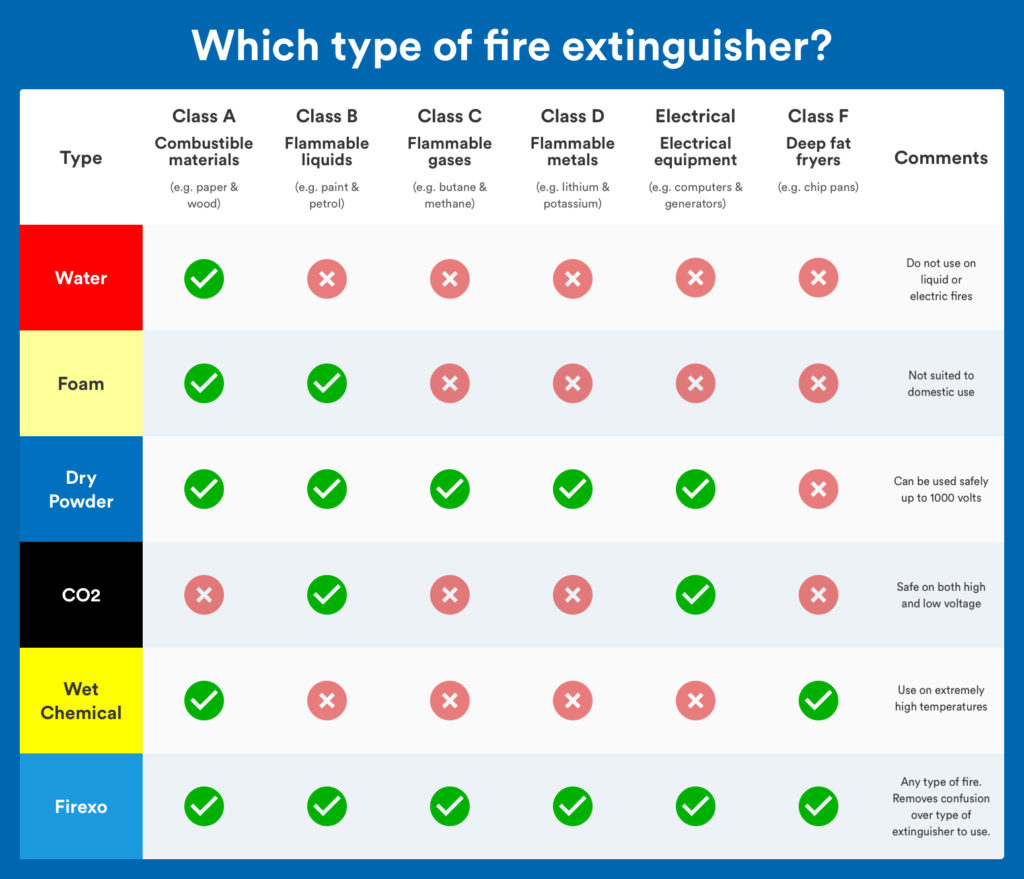
Look for the label on the extinguisher. It will clearly state "Class C" or "ABC" on it. Sometimes, they even have little pictorial symbols: a lightning bolt or an electrical plug symbol often indicates suitability for electrical fires. If it has a lightning bolt with a red line through it? That means it’s definitely NOT for electrical fires. Easy peasy lemon squeezy!
Safety First, Always!
Okay, here's the super important bit, a serious moment in our friendly chat: While these extinguishers are awesome tools, your safety comes first, always!
An extinguisher is for small, contained fires. If the fire is big, spreading fast, or blocking your escape route, or if you're unsure at all, get out, stay out, and call 911 (or your local emergency number!). Don't try to be a lone hero if it means putting yourself at risk.
And only use an extinguisher if you know how! Remember the P.A.S.S. method:
- Pull the pin.
- Aim the nozzle at the base of the fire.
- Squeeze the handle.
- Sweep from side to side.
The Takeaway Zapper!
So, next time you think about those zippy electrical fires, just remember: a Class C (or a trusty ABC) fire extinguisher is your go-to friend. Absolutely no water, please, unless you're planning a very ill-advised science experiment involving shocking revelations!
Stay Safe, Stay Zappy (in a good way!)
Knowing this little tidbit of fire safety makes you a mini-superhero in your own right! You're now equipped with the knowledge to confidently (and safely!) tackle those zippy sparks with the right tool. So go forth, be safe, keep those outlets drama-free, and may your electrical appliances always behave! Stay safe and keep smiling! You got this!