
What Fibre Is Nylon Made From
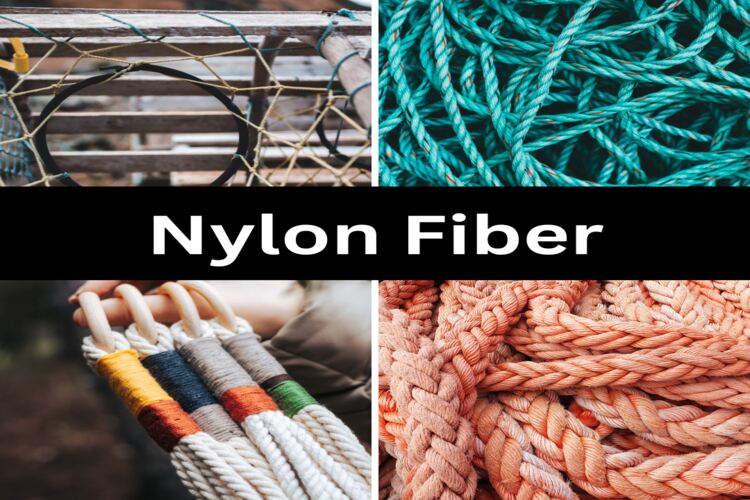
Okay, hands up if you've ever rummaged through your sock drawer, grabbed a pair of those perfectly stretchy, smooth, and seemingly indestructible socks, and thought, "How on earth do these things exist?" Or maybe you've yanked on a swimsuit that practically molds itself to your body, or relied on a sturdy backpack that's seen more adventures than Indiana Jones. Whatever your nylon encounter, you've probably felt that magic — the stuff just works, right?
You know the feeling. That slight sheen, that incredible resilience, the way it just shrugs off a splash of water. It's not wool, it's definitely not cotton, and it's certainly not silk (unless you’re talking about a very specific, fancy kind of nylon, but let’s not get ahead of ourselves). But have you ever actually stopped to wonder, what fibre is nylon made from? Like, what’s the secret sauce? What’s its origin story?
The "What" Behind the Wonder
Here’s the thing about nylon: it’s not something you can plant in the ground and harvest. You won't find nylon sheep roaming hillsides, nor will you see nylon plants waving in the breeze. It's a completely human-made marvel, born from a brilliant spark of scientific ingenuity. And trust me, once you know what it’s made from, you’ll appreciate its everyday presence even more.
Must Read
Because, my friend, nylon is one of the grandaddy of synthetic fibres. That means it’s cooked up in a lab, not grown in a field. And when we say "cooked up," we really mean it’s a product of some pretty cool chemistry.
Unpacking the Origin Story: From Goo to Glory
So, if it doesn't come from a plant or an animal, what does it come from? Drumroll, please... Nylon is primarily made from petroleum. Yes, you read that right. The same stuff that fuels our cars, with a bit of chemical wizardry, can be transformed into the incredibly versatile fibre we know and love.
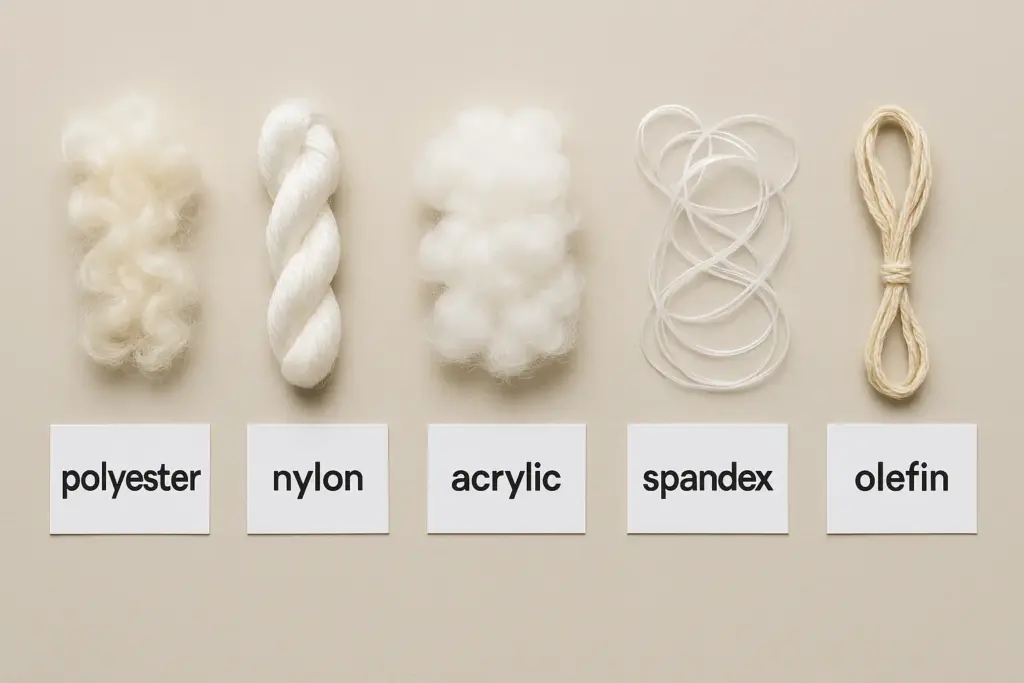
Think about it: crude oil. That black, viscous liquid. Doesn't exactly scream "silky smooth pantyhose" or "super strong climbing rope," does it? But chemists, being the clever folks they are, figured out how to break down petroleum into its fundamental building blocks. These blocks are then subjected to a process called polymerization, where they link up in long, repeating chains.
Imagine tiny LEGO bricks. Now imagine zillions of those bricks linking together to form a super long, super strong chain. That chain is the nylon polymer. Once this polymer is created, it's typically melted down into a thick, syrupy liquid. This molten goo is then pushed (or "spun") through tiny holes, much like squeezing toothpaste from a tube, but with way finer nozzles. As these fine streams emerge, they cool and solidify into continuous, strong fibres.
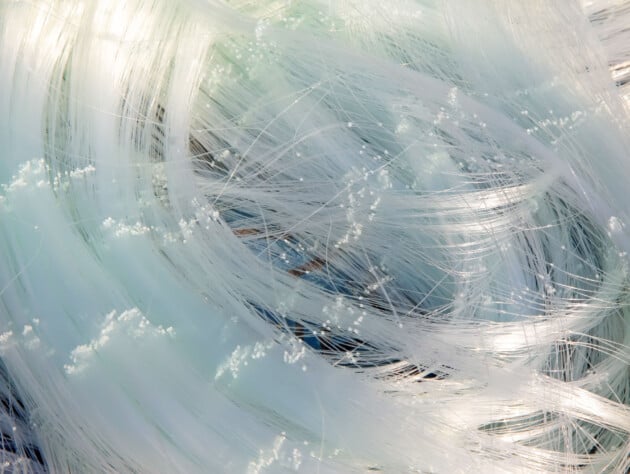
These individual fibres are then stretched and twisted, often together, to create yarns. It's this stretching process that aligns the molecules within the fibre, giving nylon its legendary strength and elasticity. Pretty wild, huh? From black goo to incredibly durable thread!
Why Does It Matter (and Why Is It Everywhere)?
Understanding nylon's synthetic origin helps explain why it has such a distinct personality compared to natural fibres. Because it's engineered from the ground up, scientists could design it with specific traits in mind:
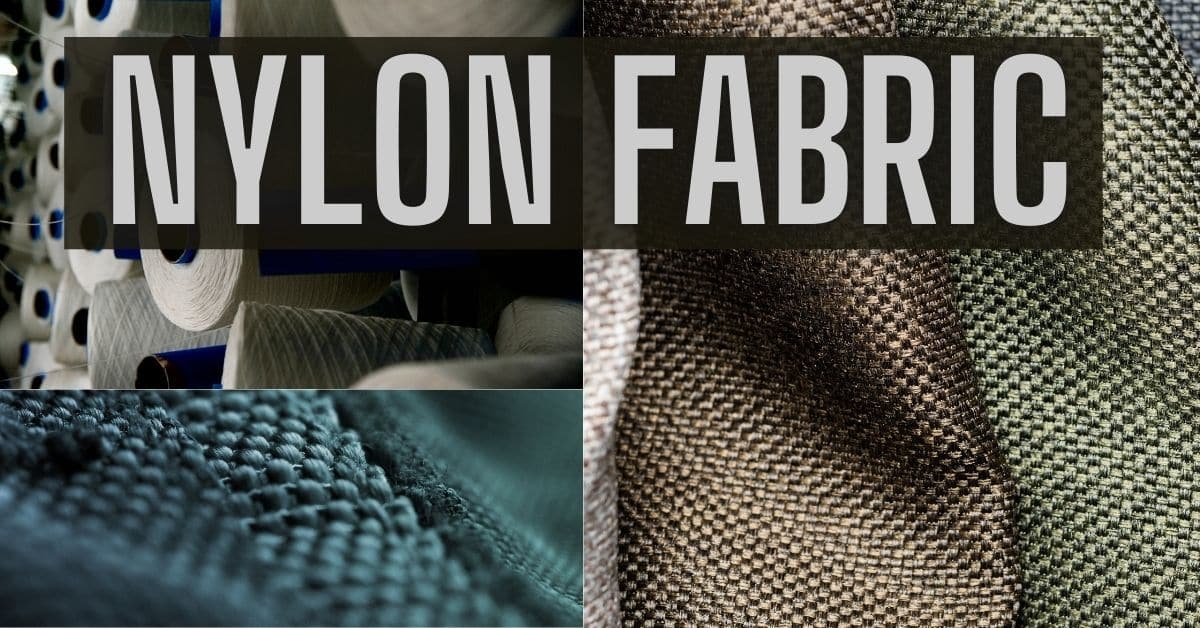
- Incredible Strength: It can withstand a lot of pulling and tearing. Think parachutes, seatbelts, fishing lines!
- Excellent Elasticity: It bounces back, making it perfect for activewear, hosiery, and anything that needs a good stretch.
- Water Resistance: It doesn't absorb much water, which means it dries quickly and resists mildew. Ideal for swimwear, rain gear, and outdoor equipment.
- Durability and Abrasion Resistance: It can take a beating without showing much wear, which is why your carpets and upholstery often contain nylon.
It was first introduced to the world as a game-changer for women's stockings in the late 1930s, and it literally flew off the shelves. From there, it quickly diversified into military applications (parachutes, tents), then into everyday items like toothbrushes, ropes, luggage, and, of course, those beloved stretchy socks. It's truly a testament to human ingenuity.
So, What Fibre Is Nylon Made From? The Short Answer
In a nutshell? Nylon isn't made from a natural fibre at all! It's a synthetic fibre, chemically produced from derivatives of petroleum through a process of polymerization and spinning. It's a marvel of chemistry that gives us those incredibly strong, stretchy, and durable materials we rely on every single day.
Next time you pull on a pair of running tights or marvel at the strength of a tent fabric, you'll know you're looking at a product of oil, transformed by science into something truly useful. Pretty cool, right?
