
What Elements On The Periodic Table Are Alkali Metals

Hey everyone, ever looked at the periodic table and felt a bit... lost? Don't worry, we've all been there! It's a massive grid of elements, each with its own quirky personality. Today, we're diving into one particularly cool group: the alkali metals. What are these things, anyway, and why should you care?
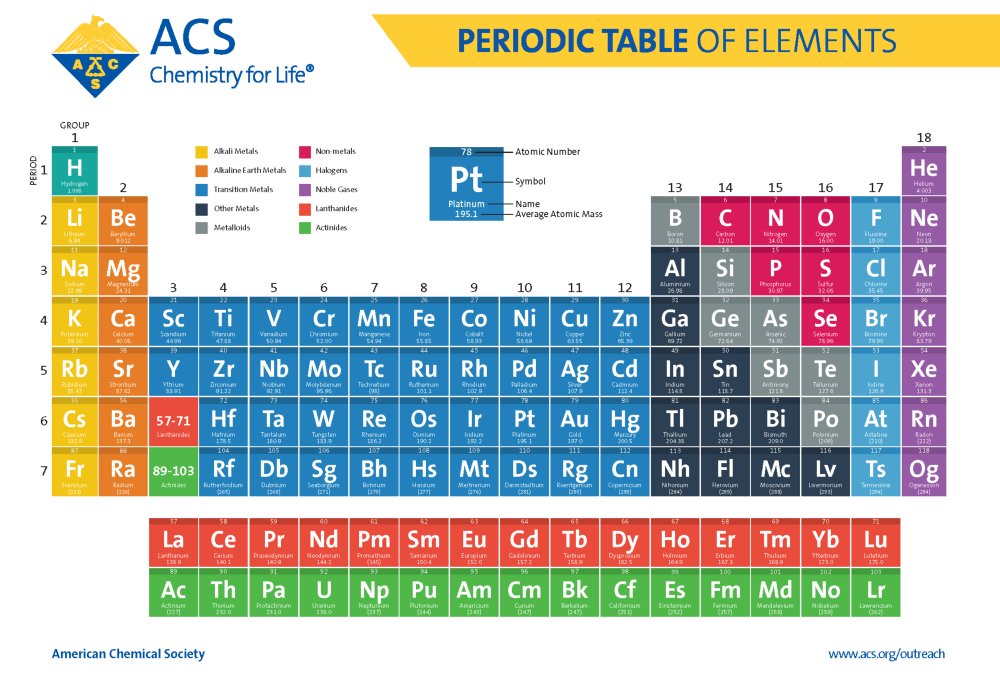
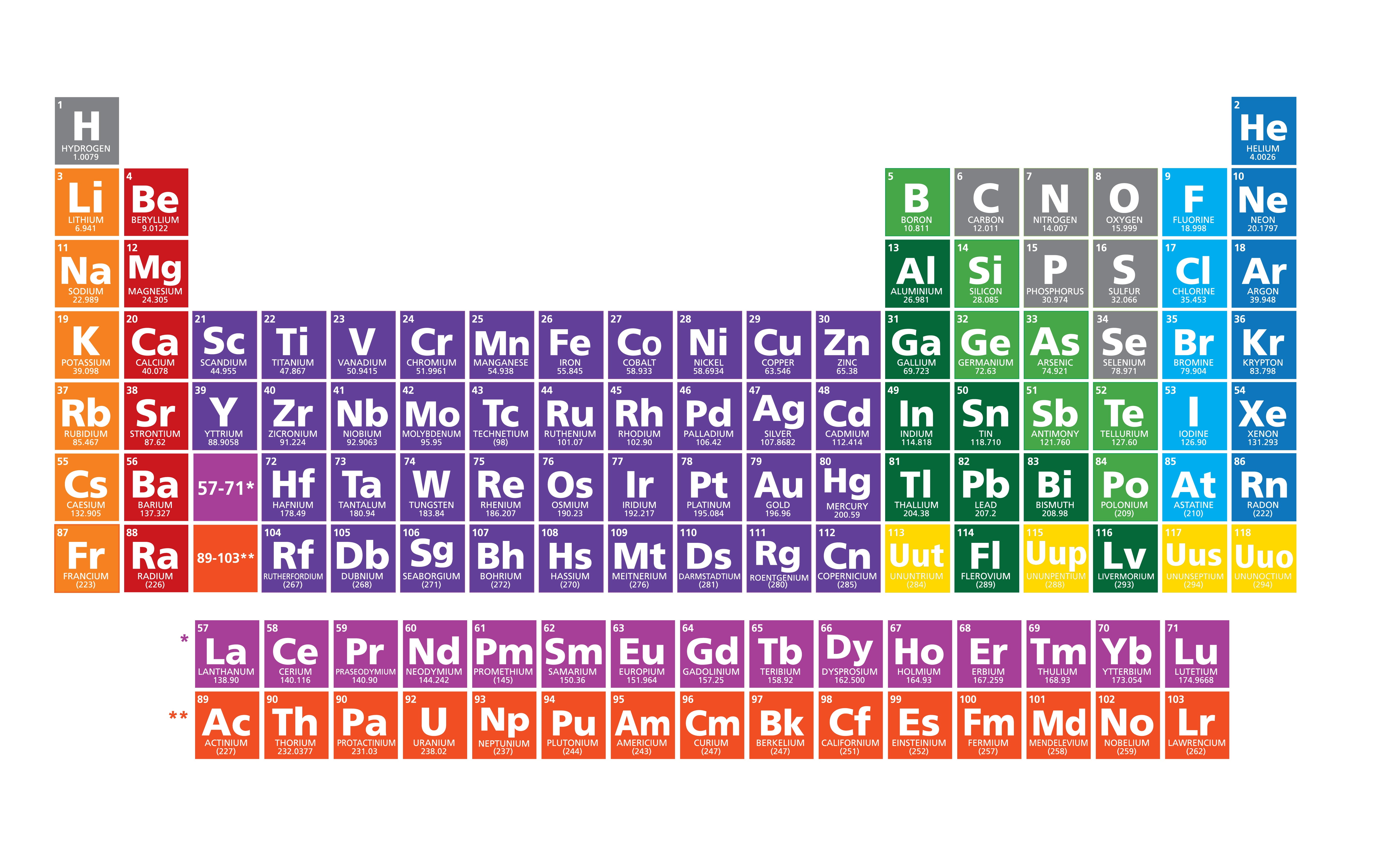
Well, first things first: the periodic table is arranged in columns called groups. The alkali metals hang out in the very first column (except for hydrogen, which is a total rule-breaker in its own right). Think of them as the “Group 1” rockstars of the element world.
So, Who Are These "Alkali" Dudes?
Okay, let's get specific. The alkali metals are:
Must Read
- Lithium (Li)
- Sodium (Na)
- Potassium (K)
- Rubidium (Rb)
- Cesium (Cs)
- Francium (Fr)
Notice a trend? They all have names that sound kind of space-agey, right? Maybe that's just me. But what truly makes them special isn’t just their names, it's their shared characteristics.
What Makes Them So Special? (AKA: Why Are They Called "Alkali"?)
The name "alkali" comes from the Arabic word "al-qali," meaning "ashes." This is because early chemists discovered that burning certain plants left ashes that, when mixed with water, created a basic (or alkaline) solution. Cool, huh? These ashes contained… you guessed it… alkali metals!
But the real magic lies in their electrons. Each alkali metal has only one lonely electron in its outermost shell. Think of it like being the only kid at the playground with a spare ice cream cone. You're probably going to be pretty eager to get rid of it, right?
And that’s exactly what alkali metals do! They are super eager to lose that electron. This makes them incredibly reactive. They want to bond with other elements so badly they practically jump at the chance.
Imagine them as the ultimate extroverts of the periodic table, always looking for a connection!

Reactivity: Handle With Care!
Because of their eagerness to react, you won't find alkali metals hanging out in their pure form in nature. They're too busy bonding with other elements to form compounds. They're like social butterflies that are always invited to the best parties.
And when they do react, things can get a little… exciting. For example, dropping a chunk of sodium into water results in a vigorous reaction, producing hydrogen gas (which is flammable!) and heat. Potassium? Even more reactive! Rubidium and Cesium? Stand back! They can be downright explosive. Francium, being radioactive and extremely rare, is best left to the experts (and avoided if possible!).

Think of it like this: Lithium is the cute, slightly mischievous puppy of the group. Sodium is a teenager testing boundaries. Potassium is the adult who knows a few too many pyrotechnic tricks. Rubidium and Cesium are the guys you only invite to parties if you really want things to get wild. And Francium is that urban legend you've heard stories about but never want to encounter.
Alkali Metals in Your Everyday Life
So, what does all this mean for you? Well, alkali metals are everywhere! Sodium, as sodium chloride (table salt), is essential for life. Potassium is vital for nerve function and muscle control. Lithium is used in batteries and medications. Ever wondered how your smartphone keeps going? Thank Lithium!
Even those cool yellow streetlights? Often, they use sodium vapor to create that distinctive glow. Alkali metals are all around us, playing important roles in technology, biology, and even the everyday things we take for granted.
Why Are They Cool?
Alkali metals are cool because they show us how the arrangement of electrons determines an element's behavior. They demonstrate the fundamental principles of chemistry in a very visible (and sometimes explosive!) way. They're a reminder that even seemingly simple elements can have surprising and powerful properties.
Plus, they remind us that chemistry isn't just something that happens in a lab. It's happening all around us, all the time. And that, my friends, is pretty darn cool.
So, next time you glance at the periodic table, give the alkali metals a little nod. They might be reactive and a little unpredictable, but they're also essential to the world as we know it. They are the original metalheads! Now, wasn't that interesting?!