
What Elements Is Steel Made Of

Hey there, ever wondered what gives steel that superhero-level strength we see everywhere, from towering skyscrapers to tiny paperclips? It's not magic (though it often feels like it!), but a pretty cool mix of elements. Think of it like a secret family recipe, but instead of grandma's famous cookies, it’s for something that holds up bridges!
So, let's peel back the curtain and meet the stars of our show, shall we?
The Main Character: Iron (Fe)
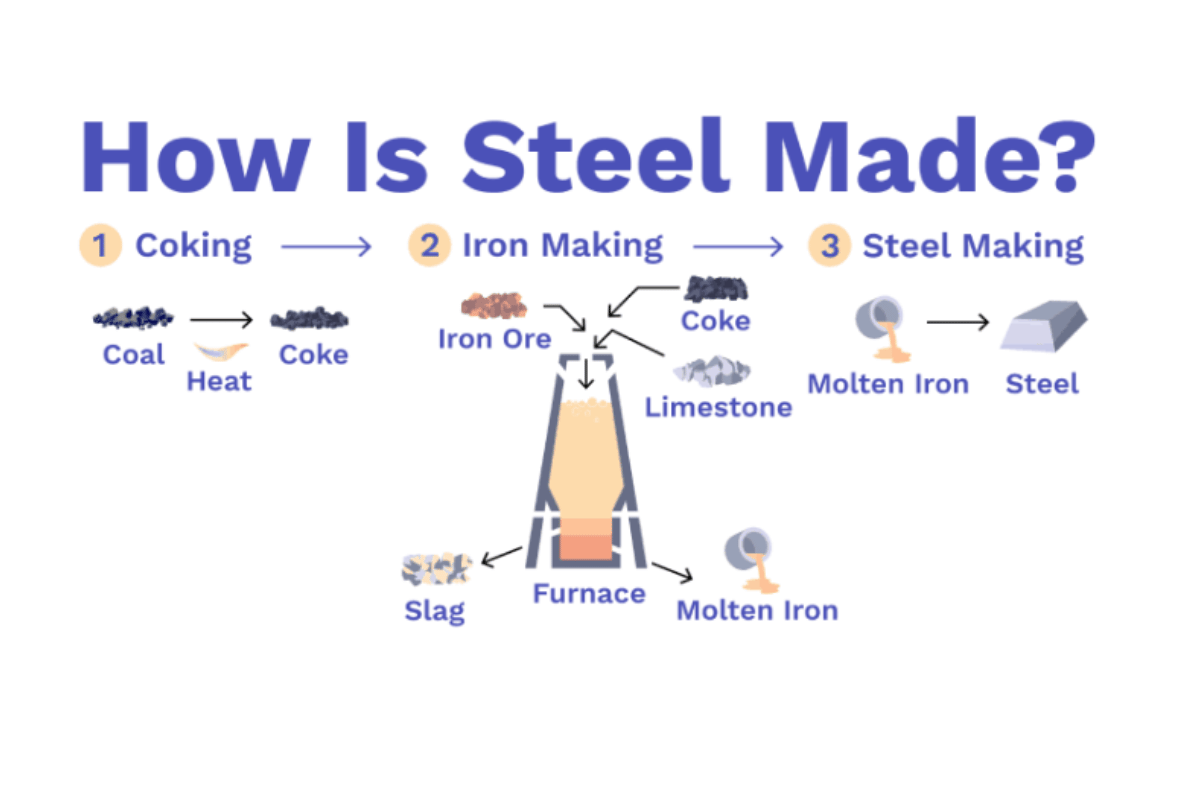
First up, we have the undisputed king, the foundation, the very heart of steel: Iron. Yep, good old iron. It makes up the vast majority of any steel you’ll ever encounter, often 90% or more. Iron is a naturally abundant metal, dug right out of the Earth. On its own, pure iron is actually pretty soft and bendy – not ideal for building something sturdy, right? It's like a comfy pillow; great for relaxing, but not for structural support!
Must Read
So, while iron is super important, it needs a little help to become the mighty material we know and love.
The Secret Sauce: Carbon (C)
And here’s where the real magic happens! The secret ingredient that transforms humble iron into mighty steel is Carbon. We're talking about a tiny, tiny amount here, usually less than 2% of the total mix. But oh boy, does that little bit pack a punch!
Think of carbon as the invisible glue that makes iron atoms hold hands really, really tightly. When carbon atoms nestle themselves into the iron structure, they make it much harder and stronger. Without carbon, it's just iron. With carbon, it’s steel! It's like adding a tiny pinch of a powerful spice – it doesn't change the main ingredient, but it brings out all the best properties and makes everything perform better!
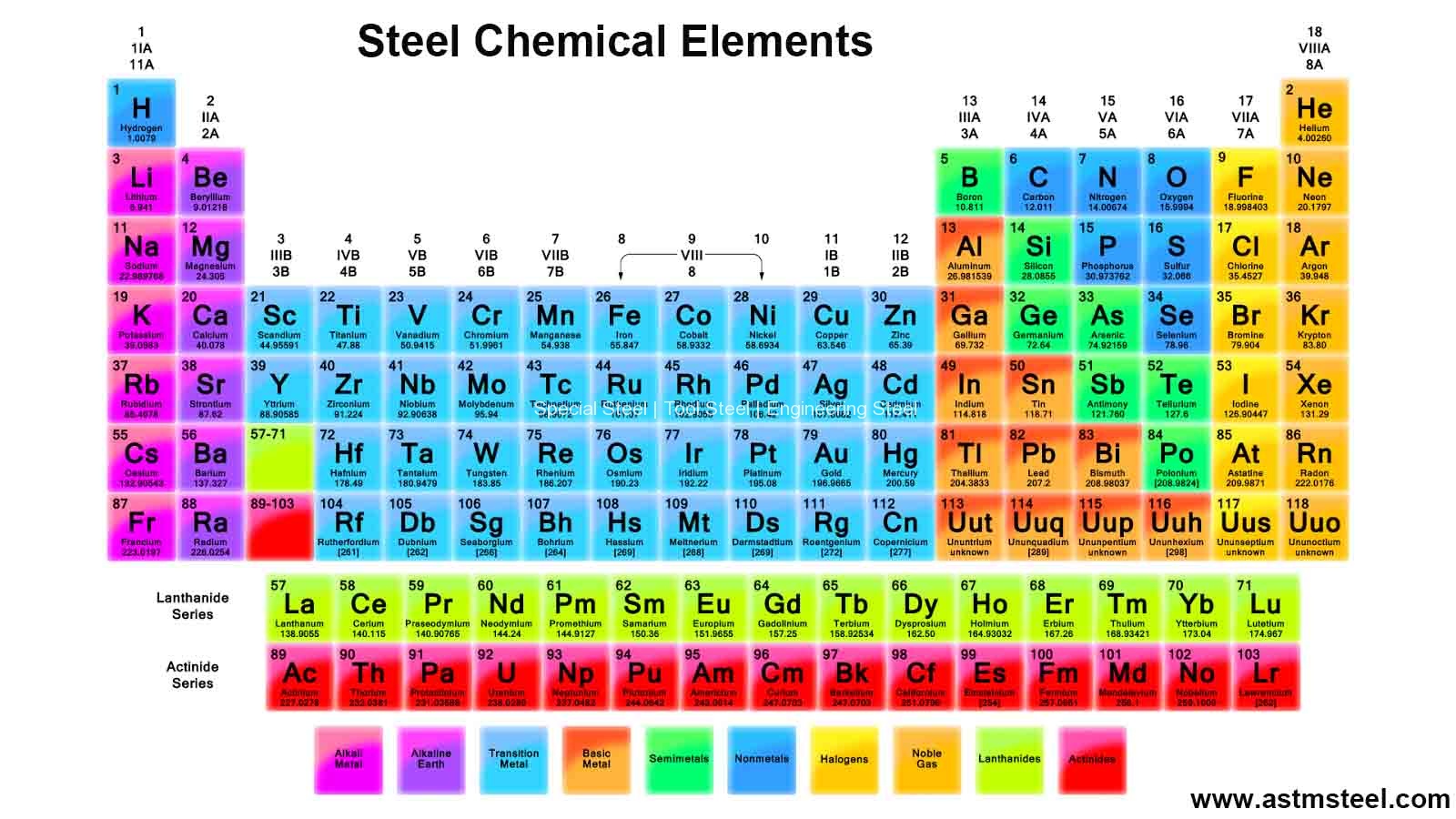
This iron-carbon tango is the absolute foundation of all steel. No carbon, no steel. Simple as that!
The Awesome Supporting Cast: Alloying Elements
While iron and carbon are the dynamic duo, sometimes you need a whole crew to get the job done. That's where alloying elements come in! These are other metals (and sometimes non-metals) added in smaller quantities to give steel specific superpowers. Each one brings its own unique flair to the party:
Manganese (Mn) – The Tough Guy
Manganese is like the bouncer at the steel party. It helps make the steel tougher, stronger, and helps clean up unwanted "impurities" during the steelmaking process. It’s crucial for making steel resistant to impact and easier to work with when hot. Tough stuff!

Chromium (Cr) – The Rust-Proofing Charmer
Ah, Chromium! If you’ve heard of stainless steel, you’ve heard of chromium. This rockstar element gives steel its incredible resistance to rust and corrosion, forming a thin, protective layer like an invisible force field. The more chromium, the shinier and more corrosion-resistant it is. It's the hero of your kitchen sink!
Nickel (Ni) – The Smooth Operator
Adding Nickel makes steel even tougher, more ductile (meaning it can be stretched without breaking), and even more corrosion-resistant, especially at low temperatures. It's all about making things smoother and stronger, no matter the chill!
Molybdenum (Mo) – The Heat Seeker
Need steel that can withstand extreme heat and still be super strong? Say hello to Molybdenum! This element is fantastic for increasing strength and hardness at high temperatures, making steel ideal for jet engines and industrial machinery. Definitely a high-performance player.
Vanadium (V) – The Fine-Tuner
Vanadium helps make the steel grains finer, which might sound small, but it actually means a big boost in strength and toughness. It's like meticulously polishing a diamond – those tiny details make all the difference!
Silicon (Si) – The Deoxidizer & Strengthener
Silicon is often added to steel to remove oxygen during production (it's a great deoxidizer!). It can also boost strength and elasticity. So, it's a bit of a multi-tasker, helping both behind the scenes and with the final product's properties.
There are other elements too, like copper, titanium, and niobium, each playing their own small but significant roles depending on the specific type of steel being created. It's a whole periodic table party in there!

The Grand Recipe Book
So, you see, making steel isn't just one thing. It's a precise recipe. Changing the amounts of carbon or adding different alloying elements transforms the iron-carbon base into a vast array of steels – from the flexible steel in car bodies to the incredibly hard steel in cutting tools. Each type is engineered for a specific job, making steel one of the most versatile materials on Earth!
And yes, there are elements we try to minimize, like sulfur and phosphorus, because they can make steel brittle. It’s all about getting that perfect balance, like a master chef perfecting a dish.
A Mighty Conclusion!
Isn't it amazing how a few basic ingredients, mostly humble iron and a sprinkle of carbon, can be transformed into something so incredibly strong and versatile? Steel literally builds our world – from the cars we drive to the bridges we cross, the tools we use, and even the frames of our homes. It stands tall, resists the elements, and helps us reach for the sky.
Just like steel, which gets its immense strength from a careful combination of elements working together, we too can achieve incredible things when we combine our unique strengths and work in harmony. So next time you see something made of steel, give a little nod of appreciation to those atomic heroes doing all the heavy lifting. Remember, even the smallest additions can make the biggest difference in creating something truly spectacular. Keep building, keep dreaming, and keep being awesome!