What Electricity Grid Am I On
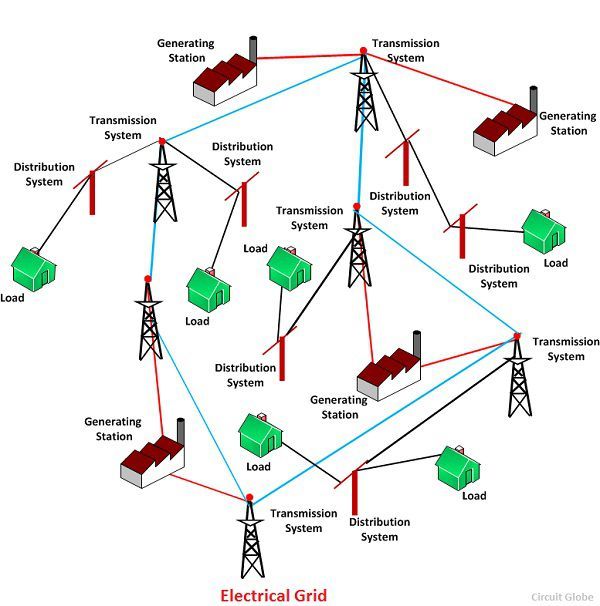
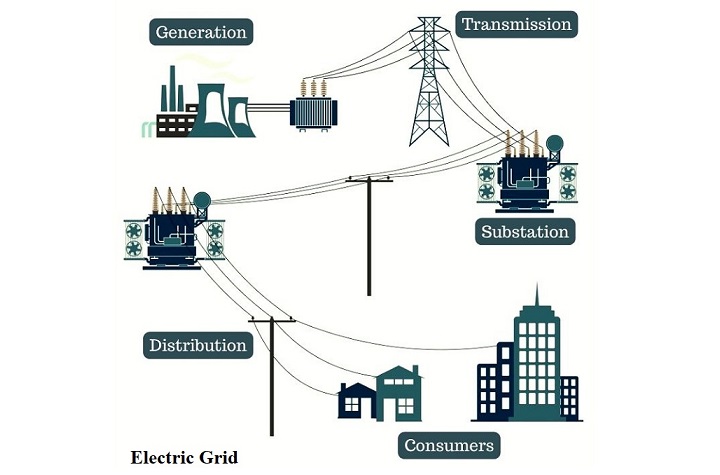
Ever stared blankly at your phone charger, wondering where all that juice actually comes from? Like, is it one giant, global electrical spaghetti noodle? Or is it more like a meticulously organized, high-voltage potluck? Spoiler alert: It’s definitely not one giant noodle. And figuring out what electricity grid you’re on is less about a secret handshake and more about geography and some seriously impressive engineering.
Imagine you're at a massive, all-you-can-eat buffet. There are different sections: the pasta station, the salad bar, the dessert table. You don’t just grab a plate and expect a single chef to whip up everything you desire from one giant vat. Nope! Different chefs, different stations, all contributing to the bigger meal. Your electricity grid is kind of like that, but instead of pasta, it’s pure, unadulterated electron deliciousness.
Wait, There’s More Than One Grid? Mind Blown!
Yep, that's right! Most people think of "the grid" as this singular, monolithic entity. But it's actually a collection of interconnected power systems. Think of it like a series of meticulously choreographed dance parties. Everyone in one party is dancing to the same beat (literally, the same frequency!), but they might not be in sync with the party down the street.
Must Read
In North America, for instance, we’ve got three big, distinct dance floors, or "interconnections," that mostly do their own thing. They're like three giant siblings who share a last name but have very different playlists and rules about borrowing each other's sweaters.
- The Eastern Interconnection: This bad boy covers everything east of the Rocky Mountains, stretching all the way to the Atlantic coast and even into parts of Canada. It’s a huge party, with millions of electrons boogieing together at 60 Hertz.
- The Western Interconnection: Over yonder, from the Rockies to the Pacific, including parts of Canada and even a bit of Mexico, is the Western party. Different beat, different vibes, but still 60 Hz. They mostly keep to themselves.
- And then there's… ERCOT: Ah, Texas. Always gotta be special, right? The Electric Reliability Council of Texas operates its own grid, almost entirely within the Lone Star State. It's like Texas said, "Nah, we're bringing our own speakers and playing our own tunes. Y'all can watch from the fence." This independent streak is both a point of pride and, occasionally, a topic of spirited debate during extreme weather events.
There are also smaller, isolated grids, like those in Alaska or Hawaii, which are even more like private island dance-offs. They're just living their best, power-generating lives, away from the continental hustle and bustle.
Why Can’t All the Electrons Just Be Friends?
Good question, grasshopper! It all comes down to something called synchronization. Electricity, especially AC (alternating current) power, needs to be perfectly in step. Think of it like a marching band: if everyone isn't stepping at the exact same time, it's a chaotic mess.
Each of these big grids operates at a precise frequency (60 Hertz in North America, 50 Hertz in much of Europe). If you tried to connect two massive grids that weren't perfectly aligned, it would be like trying to plug a European hairdryer into a US outlet without an adapter – sparks might fly, things could get grumpy, and nobody wants that on a continental scale! Instead, interconnections sometimes use special "DC ties" – like high-tech bouncers – to allow power to flow between grids without messing up the AC party.
So, How Do I Figure Out My Grid Status?
Unless you're planning an electrical espionage mission, you probably don't need to pinpoint your exact coordinates on a grid map. But generally, if you live in the contiguous United States, you're on one of the big three: Eastern, Western, or ERCOT.
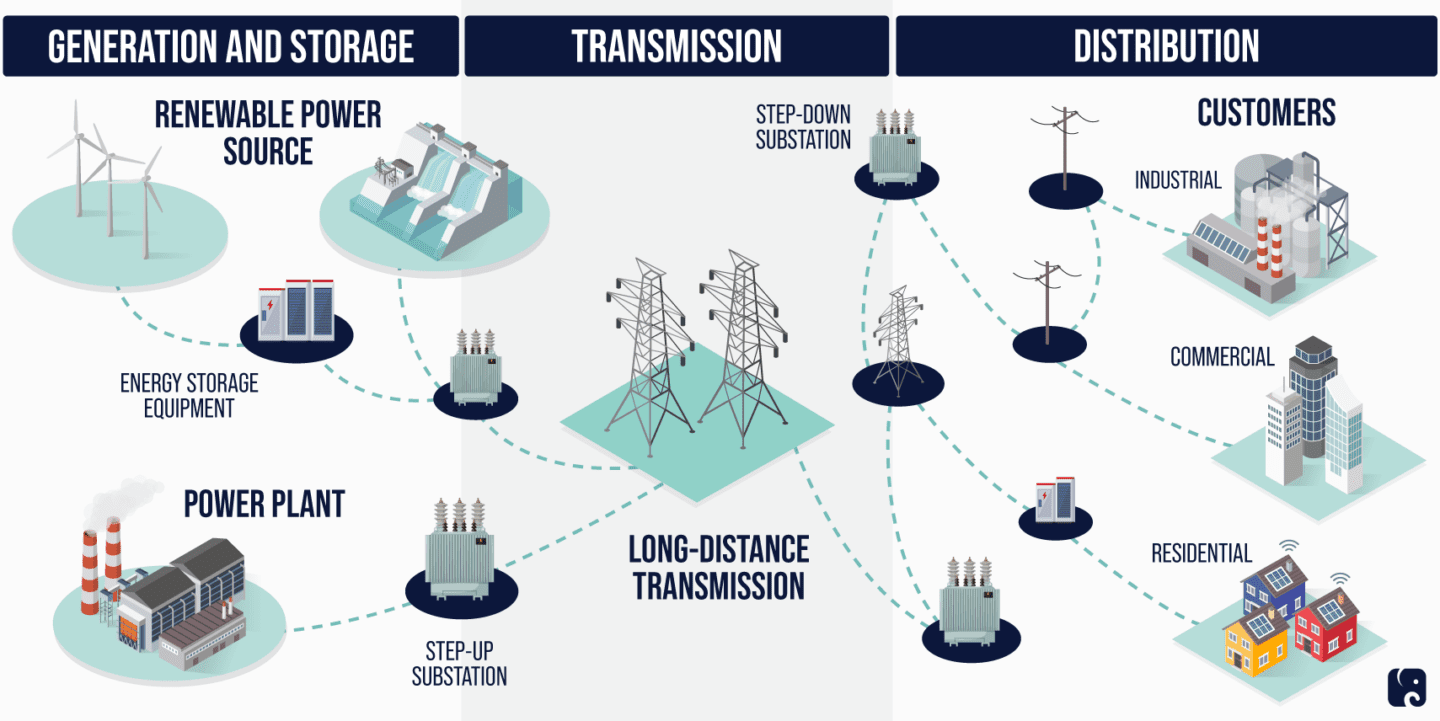
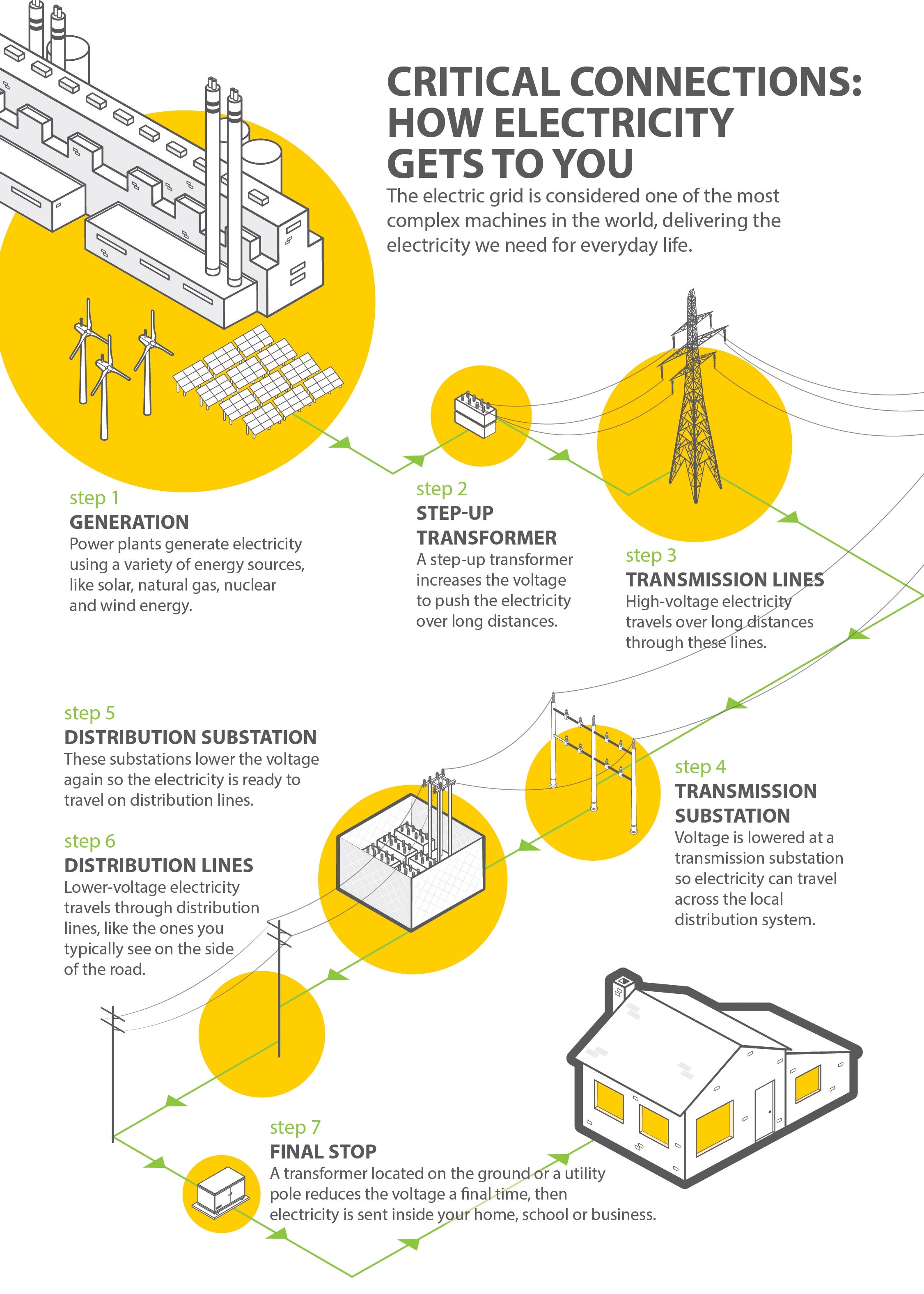
Your local utility company (the one that sends you bills and fixes outages) is your primary connection to this grand system. They manage the "last mile" – the poles, wires, and transformers that bring power from the regional transmission lines right into your home. They’re the friendly neighborhood bouncer for your specific block party.

The Invisible Symphony: A Grid Operator’s Life
Imagine trying to balance the power needs of millions of homes and businesses, twenty-four hours a day, seven days a week. That's the job of the grid operators. They're like the unsung heroes, the DJs of destiny, constantly adjusting the power supply from various generators (solar, wind, hydro, nuclear, fossil fuels) to meet demand in real-time. Too much demand, not enough supply? Poof, lights out. Too much supply, not enough demand? Also poof, things get unstable. It’s a delicate, high-stakes ballet of electrons.
The next time you flip a light switch or charge your phone, take a moment to appreciate the vast, complex, and utterly invisible network that hums beneath your feet. You're not just on "the grid"; you're part of an incredible, continent-spanning, synchronized dance party. And honestly, isn't that way cooler than a giant spaghetti noodle?