What Effect Does Coal Have On The Environment

Ever sat around a crackling campfire on a chilly evening, feeling that primal connection to warmth and light? That feeling, in a way, is linked to coal. We often hear about coal's negative impact on the environment, but understanding why it's so impactful, and how we use it, is crucial for making informed decisions about our energy future. So, let’s dig in (pun intended!) and explore the surprisingly complex relationship between coal and our planet.
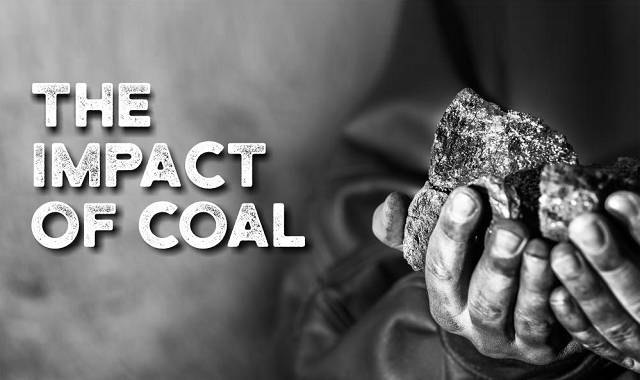
First things first, what exactly is coal and why do we use it? Simply put, coal is a sedimentary rock, formed over millions of years from accumulated plant matter under immense pressure. Think of ancient forests slowly transforming into a concentrated source of energy. Its primary purpose is to provide electricity. Power plants burn coal, which heats water to create steam. This steam then spins turbines, generating the electricity that powers our homes, schools, and everything in between. For decades, it's been a relatively inexpensive and readily available energy source, which is why it became so widely adopted.
Beyond electricity, coal also plays a role in the production of steel. Special types of coal, called metallurgical or coking coal, are used in the steelmaking process. Steel is, of course, fundamental to construction, transportation, and countless manufactured goods. Even the computer or phone you’re reading this on likely contains components made using steel produced with coal.
Must Read
You might be surprised to find examples of coal in education! Geology students often study coal seams and formations to understand Earth's history and the process of fossil fuel formation. Environmental science classes use coal as a case study to analyze the impacts of fossil fuels on the atmosphere and ecosystems. In a more indirect way, the electricity powering our schools and universities often originates from coal-fired power plants, at least in some regions. So, it’s a silent, almost invisible, part of our daily learning environment.
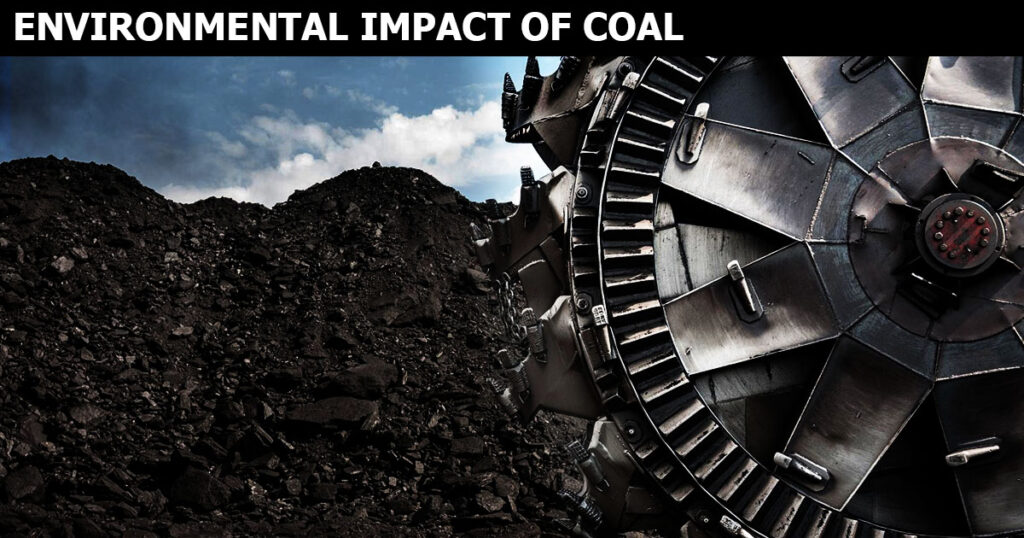
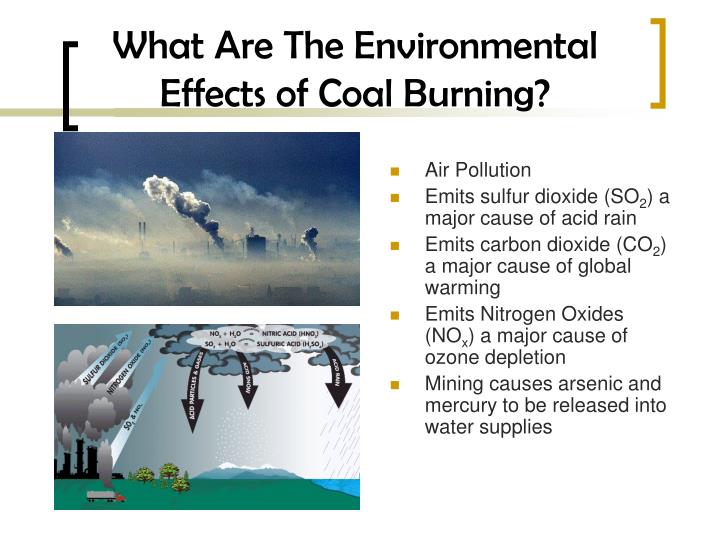
Now, for the part we can’t ignore: the environmental impact. Burning coal releases significant amounts of greenhouse gases, most notably carbon dioxide (CO2). CO2 contributes to global warming and climate change. Coal combustion also releases other pollutants like sulfur dioxide and nitrogen oxides, which cause acid rain and respiratory problems. Mining coal, particularly through mountain top removal, can devastate landscapes and pollute waterways. It’s a sobering reality.
So, what can we do? While large-scale changes require government policies and industry innovations, we can all take small steps. Educate yourself! Understand where your electricity comes from. Explore renewable energy options for your home, like solar panels (if feasible). Reduce your overall energy consumption by turning off lights, unplugging electronics, and being mindful of your heating and cooling. Support policies and organizations that promote clean energy and sustainable practices. You can even research local coal mines (if any) and learn about their environmental impact in your region. By becoming more informed and making conscious choices, we can contribute to a more sustainable future, even while acknowledging the complex role coal has played, and continues to play, in our society.