
What Does The Inside Of A Smoke Detector Look Like
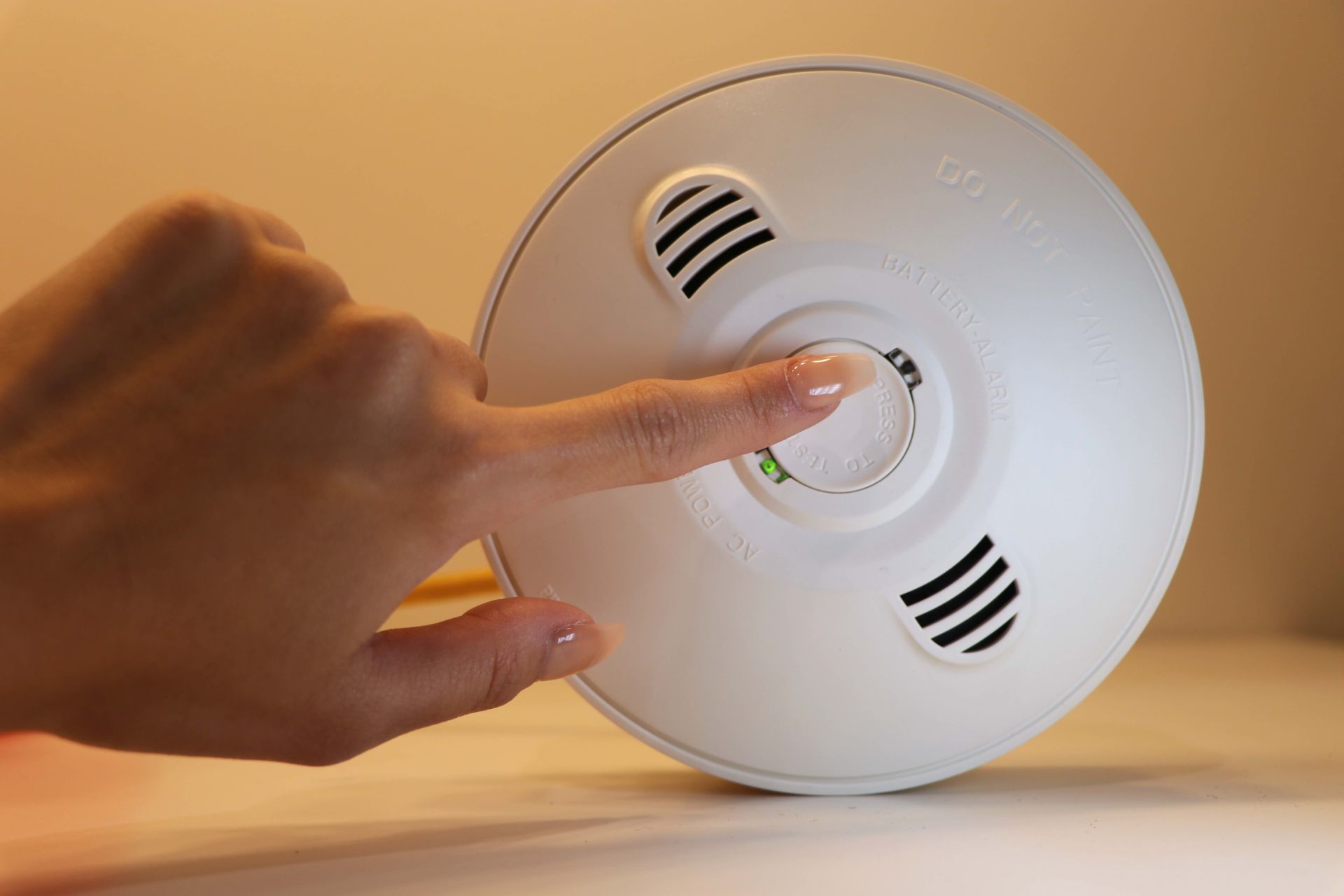
Hey there, ever looked up at that little disc on your ceiling and thought, "What in the world is going on inside that thing?" You know, the one that either stays completely silent or lets out a shriek that could wake the dead? We're talking about your trusty smoke detector, of course! It's not just a fancy frisbee stuck to your ceiling, folks. There’s some serious (and surprisingly elegant) engineering humming away in there, silently keeping watch over your home. Let's peel back the plastic and take a peek, shall we?
First off, let’s be honest. Most of us probably imagine a tiny, grumpy gnome frantically fanning smoke away, right? Or maybe a miniature superhero with super-smell powers? As fun as that sounds, the reality is a little less mythical but no less ingenious. These little guardians typically fall into one of two main camps: ionization or photoelectric detectors. Some even combine both for double the vigilance! But what do those fancy words mean for the insides?
The Ionization Investigator
Let's start with the ionization smoke detector. This little gadget is a bit like a tiny, invisible electric fence. Inside, it has two electrically charged plates with a very small amount of radioactive material – don't panic! We're talking about Americium-241, and it's super tiny and safely contained. This material ionizes the air between the plates, creating a small, constant electric current. Think of it as a tiny, invisible party of charged particles having a continuous dance.
Must Read
Now, here's where the magic (or science, whatever) happens. When smoke enters the chamber, it disrupts this delicate electrical current. The smoke particles essentially crash the party, grabbing onto those charged particles and making it harder for the current to flow. When that current drops below a certain level, the detector says, "Aha! Trouble!" and BEEP BEEP BEEP goes the alarm! So, inside, you'd see a small metal chamber with those plates and a tiny speck of radioactive material (again, super safe, like a grain of sand). It’s basically a sensitive electrical sniffer, looking for anything that messes with its good vibes.
The Photoelectric Peeker
Next up, we have the photoelectric smoke detector. This one is more of a light show, playing hide-and-seek with smoke. Inside, it has a light source (usually an LED, which is just a tiny light bulb) and a light sensor, positioned in such a way that the light beam normally misses the sensor. It's like having a flashlight pointed away from your eyes.
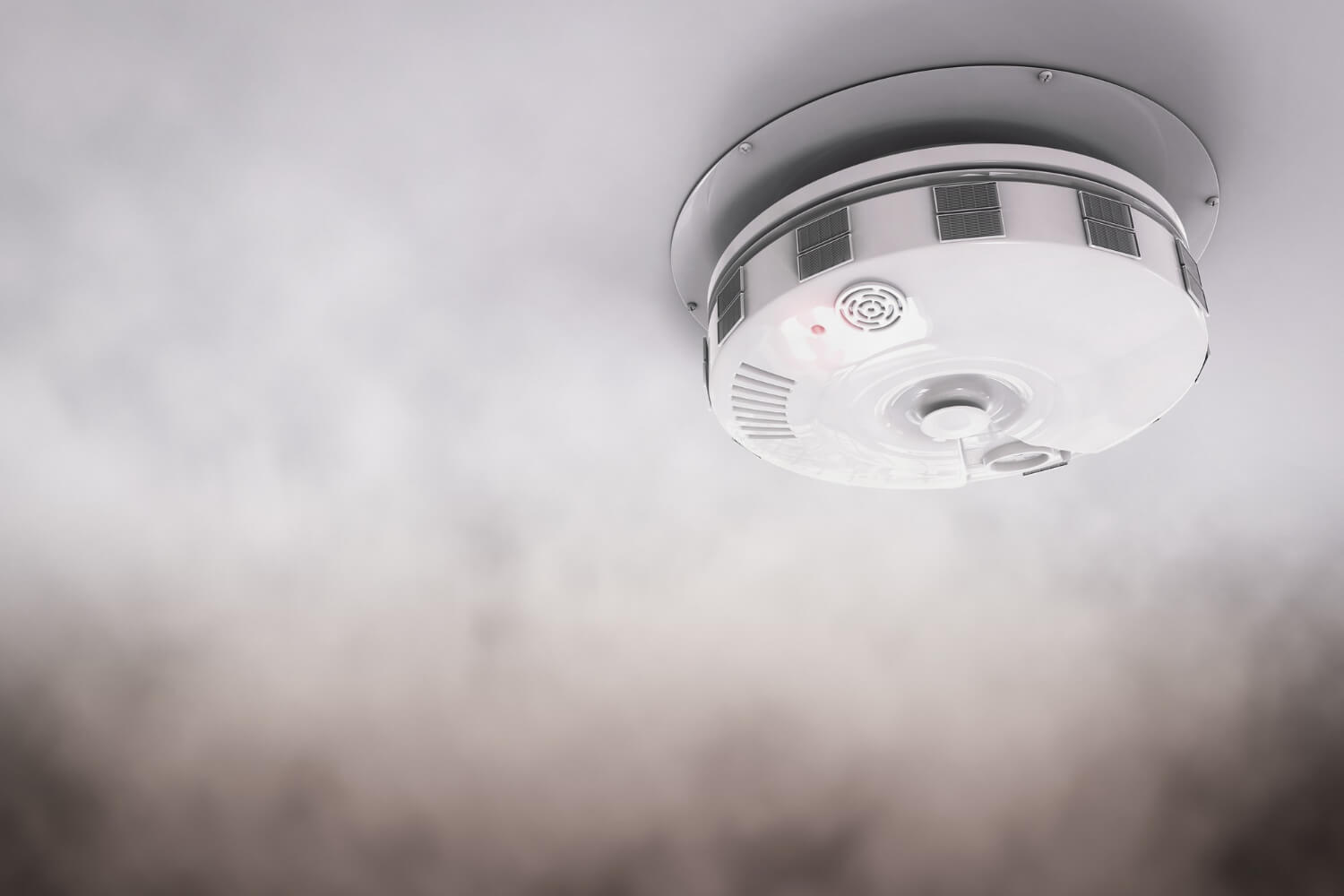
But when smoke enters the chamber – the real star of the show – things get interesting! Smoke particles scatter the light beam, bouncing it around like little mirrors. Some of that scattered light then gets redirected straight into the light sensor. The sensor, detecting this unexpected burst of light, says, "Whoa, what's that glint?" and BEEP BEEP BEEP the alarm blares! So, peering inside, you'd see a small LED, a small sensor, and a cleverly designed chamber to catch those sneaky smoke reflections. It's a vigilant little eyeball, always on the lookout for a suspicious glow.
What Else Is Hiding In There?
Beyond the smoke-sensing wizardry, both types of detectors share some common components you’d spot if you carefully opened one up (please don't do this at home unless it's an old, unpowered one you're dissecting for educational purposes!):

- The Circuit Board: This is the brains of the operation, a small green or brown board covered in tiny wires, resistors, and microchips. It’s what processes the signals and decides when to yell for help.
- The Battery Compartment: The power source! Whether it's a 9-volt, AA batteries, or a sealed 10-year lithium battery, this is where the juice comes from. No power, no protection!
- The Buzzer/Speaker: Ah, the notorious noisemaker! This is the component responsible for that ear-splitting alert. It's usually a small, round disc designed to make a truly alarming sound.
- The Test Button: Ever pressed it? It's usually a small button that tells the circuit board to pretend there's smoke and sound the alarm, just to make sure everything's still working. Smart, right?
- The Venting Chamber: This is the outer shell with all those little slots and holes. It’s designed to let smoke in easily while keeping larger dust particles and bugs out (mostly!).
So, there you have it! The inside of a smoke detector isn't some complex, sci-fi labyrinth. It's a surprisingly elegant, carefully designed system of sensors, circuits, and power, all working in harmony to detect the earliest signs of a fire. It’s truly a marvel of modern safety technology, packed into a small, unassuming package.
Next time you glance up at that little disc, remember the clever dance of electricity or light happening inside, keeping its silent vigil. These humble devices are truly unsung heroes, diligently watching over us even when we're sound asleep. So give a little nod to your smoke detector; it’s working hard to keep you safe and sound. Sleep tight, knowing these tiny guardians are always on duty, ready to raise the alarm and protect what matters most!
:strip_icc()/bhg-tier-3-primary-best-smoke-detectors-ebrockob-001-3b58a1fa465d44ffbc58e0d37d4f070e.jpeg)