What Does The Inside Of A Septic Tank Look Like
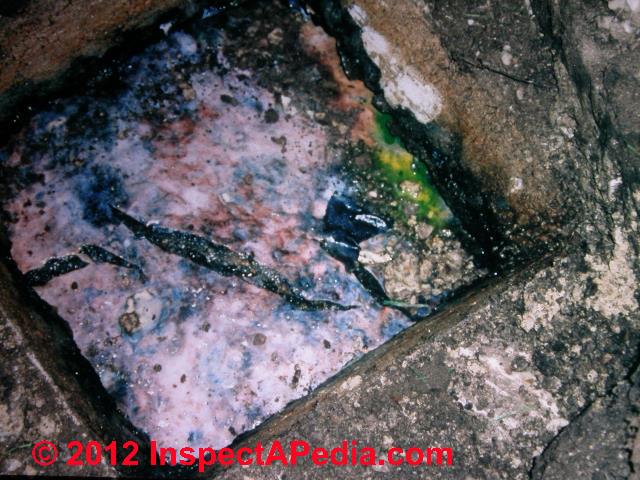
We humans are naturally curious creatures, aren't we? We love peering behind the curtain, understanding how things work, and sometimes, just sometimes, venturing into the wonderfully weird and unseen aspects of our world. While most folks are drawn to the majesty of mountains or the mysteries of the cosmos, there's a certain niche fascination with the unsung heroes of our modern infrastructure. Today, we're diving headfirst (metaphorically, of course!) into a topic that rarely sees the light of day, yet performs an absolutely essential function: What does the inside of a septic tank look like?
Before you recoil, let's acknowledge its incredible value. For millions of homes around the globe not connected to municipal sewer systems, the septic tank is nothing short of a silent, subterranean superpower. Its primary benefit? It discreetly and effectively treats household wastewater, protecting public health and the environment from raw sewage. Think about it: every flush, every drain from your shower or dishwasher, flows into this ingenious system. It’s the ultimate unsung hero, ensuring our modern comforts don't come at the cost of polluting our local waterways or creating unpleasant odours in our backyards.
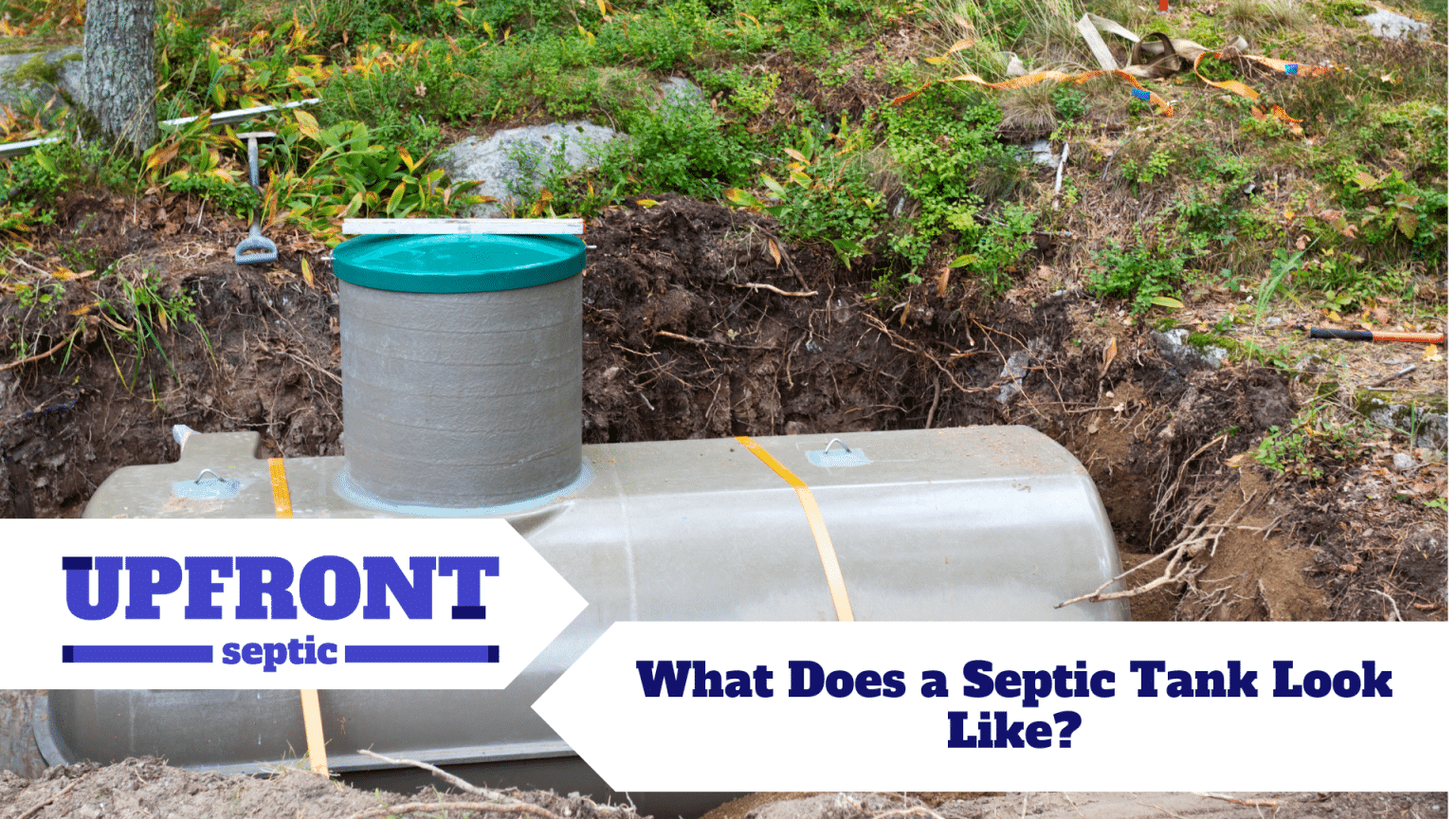
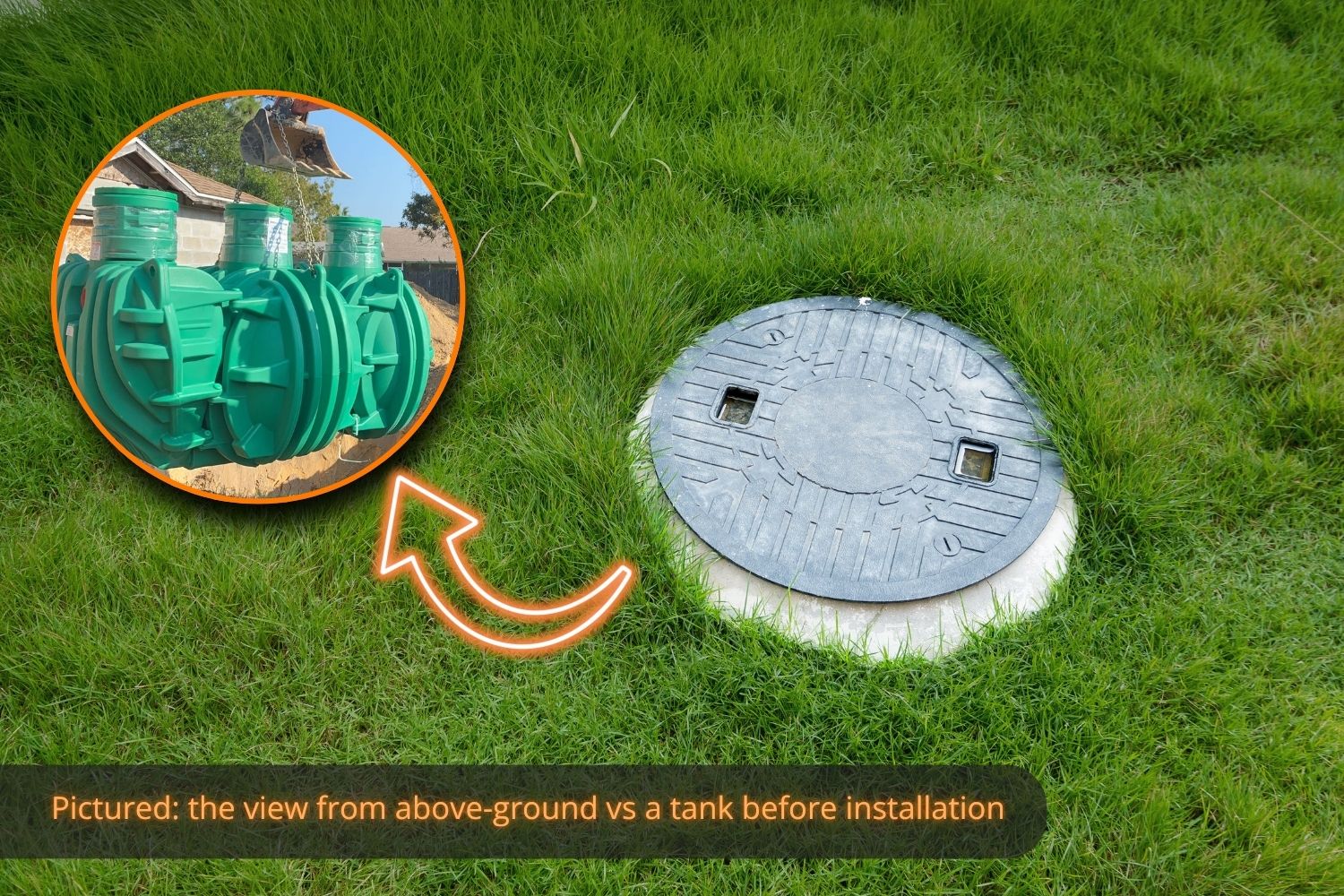
So, what's really going on in there? Imagine a large, watertight container – typically made of concrete, fiberglass, or plastic – buried underground. Your waste enters through an inlet pipe. Inside, it's a bit like a slow-motion, highly efficient sorting facility. Heavier solids, known as sludge, sink to the bottom. Lighter materials, like fats, oils, and grease, float to the top, forming a layer called scum. In between these two layers is the liquid wastewater, or effluent. Naturally occurring bacteria within the tank get to work, breaking down organic solids. This separation process is aided by baffles, which prevent the solid and scum layers from escaping.
Must Read
Once the effluent reaches a certain level, it flows out through an outlet pipe, typically into a drain field (also known as a leach field or absorption field). Here, the treated liquid slowly percolates through layers of gravel and soil, which act as a natural filter, further purifying the water before it re-enters the groundwater. This complex ballet of biology and engineering happens 24/7, keeping your home functioning smoothly, whether you're living in a cozy countryside cottage or a sprawling rural estate.
Now, how do you "enjoy" this vital system more effectively? Since the best septic system is one you never have to worry about, enjoying it means giving it the care it deserves. Here are some practical tips:
- Pump Regularly: Schedule professional pumping every 3-5 years. This removes the accumulated sludge and scum, preventing clogs and system failure.
- Watch What You Flush: Remember, your septic tank isn't a trash can. Avoid flushing non-biodegradable items like wet wipes (even "flushable" ones!), feminine hygiene products, dental floss, or excessive food waste.
- Be Mindful of Chemicals: Harsh chemicals like drain cleaners, excessive bleach, and strong detergents can kill the beneficial bacteria vital for the breakdown process.
- Conserve Water: Spreading out laundry loads and fixing leaky faucets reduces the volume of water entering the tank, giving it more time to process wastewater effectively.
- Know Your Layout: Understand where your tank and drain field are. Avoid driving or building over the drain field, as this can compact the soil and damage the pipes.